
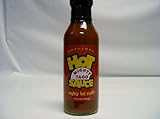


At a glance
Summary
This hot sauce contains a relatively simple ingredient list with water, tomato paste, vinegar, and spices, which are generally considered wholesome. However, the presence of sodium benzoate and potassium sorbate as preservatives introduces moderate concerns due to potential health risks associated with long-term consumption. The product's processing level limits its score, as it is categorized as processed food.
Key ingredients 9
SpicesGood
Whole-food seasonings, antioxidant-bearing.
Risks
Potential for allergic reactions in sensitive individuals.
Benefits
May offer antioxidant benefits and enhance flavor without added calories.
WaterNeutral
Water is a neutral ingredient used as a base or solvent in many food products. It does not contribute any nutritional value or health risks. Its presence is primarily functional, aiding in the consistency and texture of the sauce.
See more about Water →Tomato pasteNeutral
Tomato paste is a concentrated form of tomatoes, providing flavor and color. It is a source of lycopene, an antioxidant, but its concentration in the product may not be significant. The processing of tomatoes into paste can reduce some nutrient levels.
Benefits
Contains lycopene, which is an antioxidant that may support heart health.
VinegarNeutral
Vinegar is used for its acidic properties, which enhance flavor and act as a preservative. It is made through fermentation, which can produce beneficial acetic acid. However, its health impact is minimal in small quantities.
Risks
Excessive consumption may lead to enamel erosion or digestive discomfort.
Benefits
May aid in digestion and has antimicrobial properties.
PepperNeutral
Pepper is used for its spicy flavor and potential antioxidant properties. It contains capsaicin, which can have metabolic benefits. The amount used in hot sauce is typically small, limiting its health impact.
Risks
May cause irritation or discomfort in sensitive individuals.
Benefits
Capsaicin may boost metabolism and provide antioxidant benefits.
SaltNeutral
Salt is used to enhance flavor and preserve food. It is a source of sodium, which is essential for bodily functions but should be consumed in moderation. Excessive intake can lead to health issues like hypertension.
Risks
High sodium intake is associated with increased risk of hypertension and cardiovascular disease.
Benefits
Essential for maintaining fluid balance and nerve function.
Citric acidNeutral
Citric acid is used as a preservative and to add a sour taste. It is naturally found in citrus fruits and is generally recognized as safe. Its role in food is primarily functional, with minimal health impact.
Risks
Excessive consumption may cause digestive discomfort.
Sodium benzoateBad
Sodium benzoate is a preservative used to prevent microbial growth. It is effective in acidic foods but can form benzene, a carcinogen, under certain conditions. Its use is generally safe within regulated limits, but concerns exist about its long-term effects.
Risks
Potential to form benzene, a known carcinogen, especially when combined with ascorbic acid.
Benefits
Effectively prevents spoilage and extends shelf life of acidic foods.
Potassium sorbateBad
Synthetic preservative — flagged in daily-use products.
Risks
May cause allergic reactions in sensitive individuals.
Benefits
Helps maintain product freshness by preventing spoilage.
Processing
Processed Foods
Get the full breakdown in the Scout appTake Scout shopping
Scan any product to see lab results, healthy alternatives, and your personalized analysis.
Download on theApp Store GET IT ONGoogle Play