



At a glance
Summary
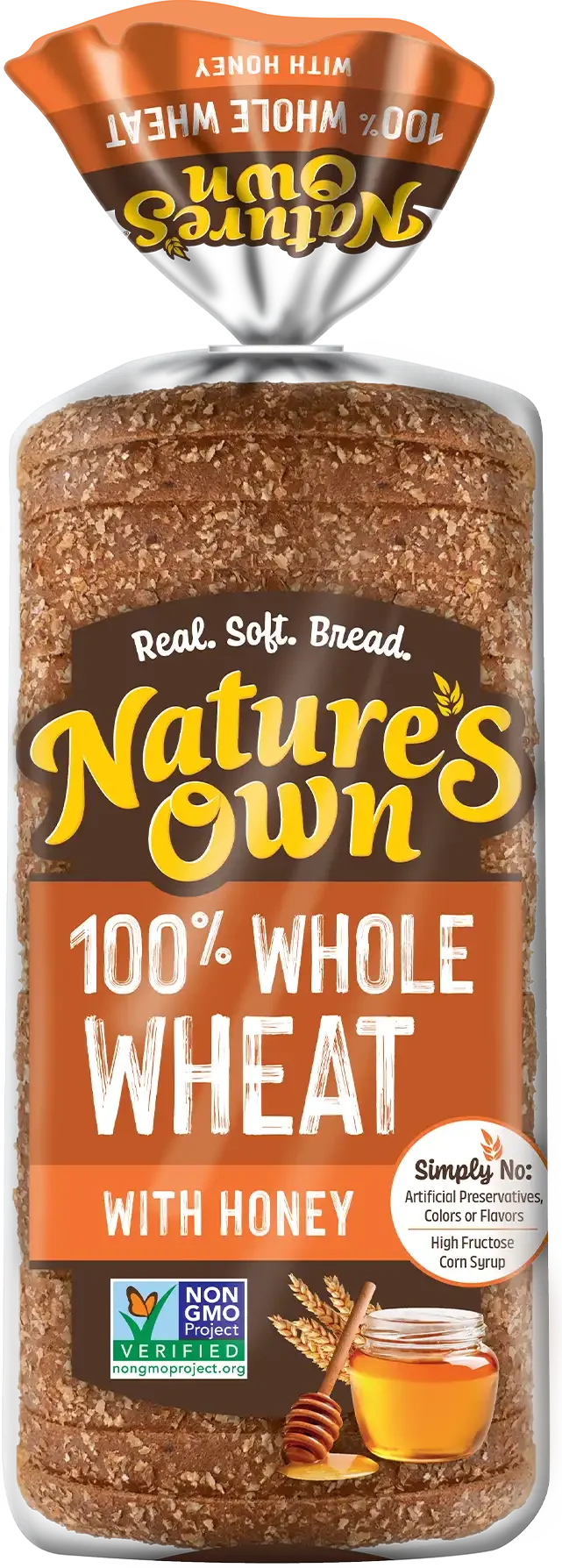
This bread contains beneficial ingredients like whole wheat flour, honey, and wheat berries, which contribute to its nutritional value and fiber content. However, the presence of vegetable shortening, a processed fat, and the use of enriched flour indicate a moderate level of processing. While the product has some redeeming qualities, the inclusion of processed ingredients and the overall processing level limit its healthiness.
Key ingredients 10
Unbleached whole wheat flourGood
Whole wheat flour is a good source of dietary fiber and essential nutrients. It is less processed than refined flour, retaining more of the wheat kernel's natural nutrients. This contributes to better digestive health and sustained energy levels.
Risks
May contain gluten, which can be problematic for individuals with celiac disease or gluten sensitivity.
Benefits
Rich in fiber, vitamins, and minerals, supporting digestive health and providing sustained energy.
HoneyGood
Honey is a natural sweetener with antioxidant properties. It contains trace amounts of vitamins and minerals and has a lower glycemic index than refined sugar. It adds flavor and moisture to the bread.
Risks
High in sugars, which can contribute to calorie intake if consumed in excess.
Benefits
Provides natural sweetness and contains antioxidants that may offer health benefits.
Wheat berriesGood
Wheat berries are whole, unprocessed wheat kernels that are rich in fiber and nutrients. They provide a chewy texture and enhance the nutritional profile of the bread. They are minimally processed, retaining their natural nutrients.
Risks
Contains gluten, which can be problematic for individuals with celiac disease or gluten sensitivity.
Benefits
Rich in fiber and nutrients, supporting digestive health and providing a chewy texture.
Wheat branGood
Wheat bran is the outer layer of the wheat kernel, rich in fiber and nutrients. It supports digestive health and adds texture to the bread. It is minimally processed, retaining its natural nutritional benefits.
Risks
Contains gluten, which can be problematic for individuals with celiac disease or gluten sensitivity.
Benefits
High in fiber, supporting digestive health and adding texture to the bread.
WaterNeutral
Water is a neutral ingredient used as a solvent and to provide moisture. It is essential for the dough formation and texture of the bread. It does not contribute any calories or nutrients.
Benefits
Essential for hydration and contributes to the texture of the bread.
MolassesNeutral
Molasses is a byproduct of sugar refining, providing a rich flavor and color. It contains some vitamins and minerals, such as iron and calcium. It is used in small amounts to enhance the flavor of the bread.
Risks
High in sugars, which can contribute to calorie intake if consumed in excess.
Benefits
Provides flavor and contains trace amounts of minerals like iron and calcium.
YeastNeutral
Yeast is a microorganism used in baking to leaven bread, creating a light and airy texture. It is a natural ingredient that contributes to the fermentation process. It does not provide significant nutritional benefits.
Benefits
Essential for leavening bread and creating a desirable texture.
Evaporated saltNeutral
Evaporated salt is a refined form of salt used for seasoning and preservation. It provides sodium, which is essential for various bodily functions. It is used in moderation to enhance flavor.
Risks
Excessive sodium intake can lead to high blood pressure and other health issues.
Benefits
Provides essential sodium for bodily functions and enhances flavor.
Unbleached enriched flourBad
Processed additive flagged under Scout's ingredient doctrine.
Risks
Lacks fiber and may contribute to blood sugar spikes. Contains gluten, which can be problematic for some individuals.
Benefits
Provides essential nutrients such as iron and B vitamins, which are important for overall health.
Vegetable shorteningBad
Vegetable shortening is a processed fat used to improve texture and shelf life. It often contains trans fats, which are linked to negative health effects. It is less healthy compared to natural fats like butter or olive oil.
Risks
May contain trans fats, which are associated with increased risk of heart disease.
Benefits
Improves texture and shelf life of baked goods, but offers no significant health benefits.
Processing
Processed Foods
Get the full breakdown in the Scout appTake Scout shopping
Scan any product to see lab results, healthy alternatives, and your personalized analysis.
Download on theApp Store GET IT ONGoogle Play