


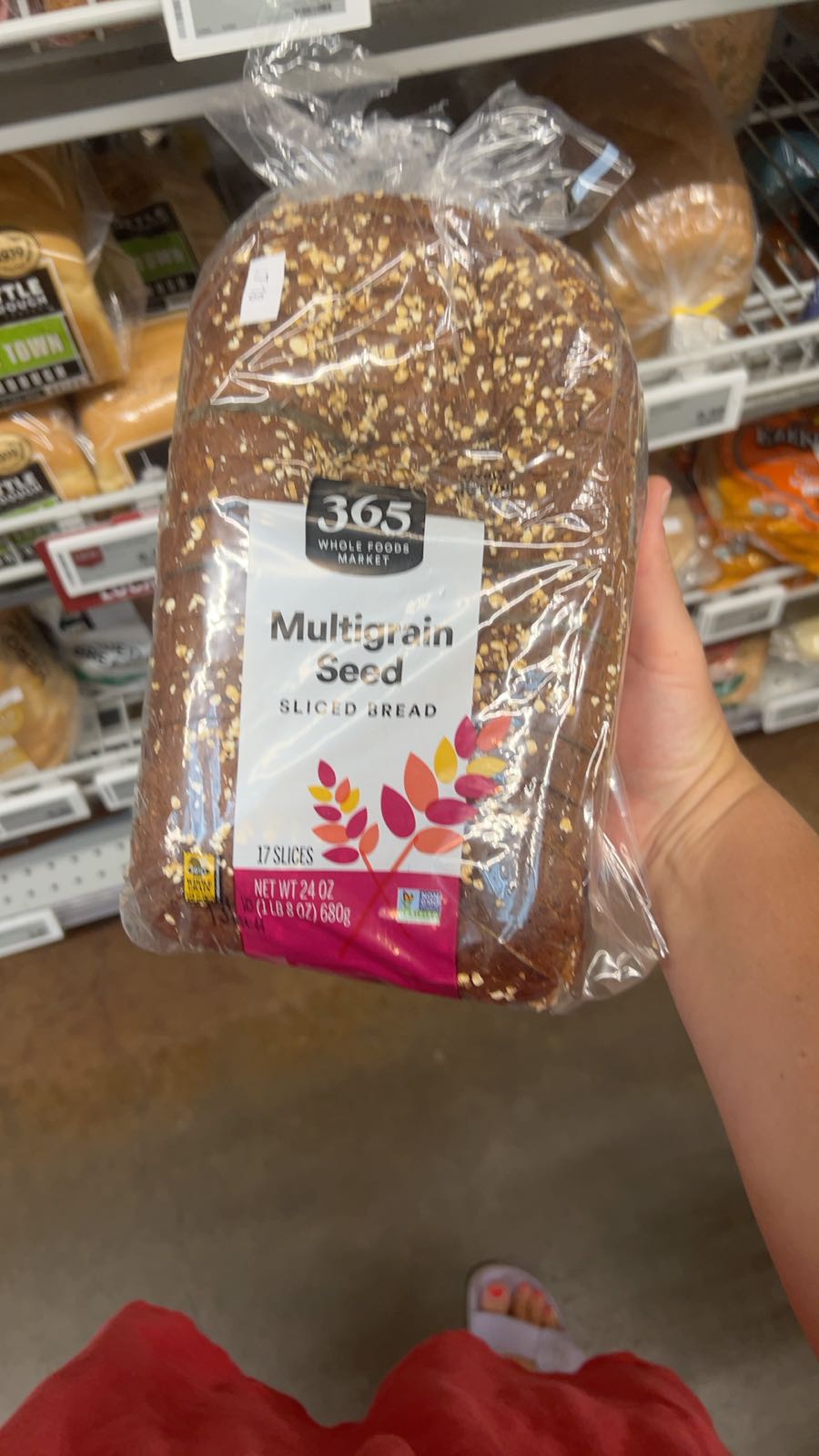


At a glance
Summary
This bread contains a mix of enriched and whole grain flours, which provide some nutritional benefits, including added vitamins and minerals. However, it is a processed product with a moderate level of added sugars and sodium, which slightly detracts from its health profile. The absence of harmful additives like seed oils or artificial preservatives is a positive aspect, but the processing level limits its overall score.
Key ingredients 14
Malted Barley FlourGood
Malted barley flour is used to enhance flavor and improve the texture of baked goods. It contains enzymes that help break down starches into sugars. This can improve the browning and flavor of bread.
Benefits
Enhances flavor and texture in baked goods, contributing to a better eating experience.
NiacinGood
Niacin is a B vitamin essential for energy metabolism and DNA repair. It is often added to enriched flours to prevent deficiencies. It supports overall health by aiding in the conversion of food into energy.
Benefits
Supports energy metabolism and overall health.
Thiamine MononitrateGood
Thiamine mononitrate is a form of vitamin B1 added to foods to prevent deficiencies. It plays a key role in energy metabolism and nerve function. It is essential for converting carbohydrates into energy.
Benefits
Supports energy metabolism and nerve function.
RiboflavinGood
Riboflavin, or vitamin B2, is essential for energy production and cellular function. It is added to enriched flours to prevent deficiencies. It helps in the metabolism of fats, drugs, and steroids.
Benefits
Supports energy production and cellular function.
Wheat BranGood
Wheat bran is the outer layer of the wheat kernel, rich in fiber and nutrients. It aids in digestion and promotes a healthy gut. It is often added to increase the fiber content of baked goods.
Risks
May cause digestive discomfort in some individuals if consumed in large amounts.
Benefits
Rich in fiber, promoting digestive health and regularity.
Barley FlakesGood
Barley flakes are whole grain barley that has been steamed and rolled. They are a good source of dietary fiber and nutrients. They contribute to heart health and help maintain stable blood sugar levels.
Benefits
Provides dietary fiber and nutrients, supporting heart health and stable blood sugar levels.
Rolled OatsGood
Rolled oats are whole oats that have been steamed and flattened. They are rich in fiber, particularly beta-glucan, which supports heart health. They provide a slow release of energy, helping to maintain stable blood sugar levels.
Benefits
Rich in fiber and supports heart health and stable blood sugar levels.
Sesame SeedsGood
Sesame seeds are a nutrient-dense seed rich in healthy fats, protein, and minerals. They provide antioxidants and support heart health. They add flavor and texture to baked goods.
Risks
May cause allergic reactions in sensitive individuals.
Benefits
Rich in healthy fats, protein, and antioxidants, supporting heart health.
Enriched Unbleached FlourNeutral
Enriched unbleached flour is a refined flour with added vitamins and minerals. It lacks the fiber and nutrients found in whole grain flours. The enrichment process adds back some nutrients lost during processing.
Risks
May contribute to blood sugar spikes due to its refined nature.
Benefits
Provides essential vitamins like niacin and folic acid due to enrichment.
Reduced IronNeutral
Standard formulation ingredient — neither beneficial nor harmful at typical use.
Risks
Excessive intake may lead to iron overload, especially in individuals with hemochromatosis.
Benefits
Prevents iron deficiency anemia and supports oxygen transport in the body.
Folic AcidNeutral
Standard formulation ingredient — neither beneficial nor harmful at typical use.
Risks
Excessive intake may mask vitamin B12 deficiency symptoms.
Benefits
Prevents neural tube defects and supports DNA synthesis.
WaterNeutral
Water is a basic ingredient used to hydrate and bind ingredients in dough. It is essential for the baking process and does not contribute calories. It helps in the formation of gluten, providing structure to baked goods.
Benefits
Essential for hydration and structure in baked goods.
Corn GritsNeutral
Corn grits are coarsely ground corn used to add texture and flavor to baked goods. They are a source of carbohydrates and provide some essential nutrients. However, they lack the fiber and nutrients found in whole corn.
Risks
May contribute to blood sugar spikes due to its refined nature.
Benefits
Provides carbohydrates and some essential nutrients.
Wheat FlourBad
Refined grain flour stripped of bran and germ.
Risks
May cause gluten-related issues for individuals with celiac disease or gluten sensitivity.
Benefits
Provides energy and some protein, essential for daily activities.
Processing
Processed Foods
Get the full breakdown in the Scout appTake Scout shopping
Scan any product to see lab results, healthy alternatives, and your personalized analysis.
Download on theApp Store GET IT ONGoogle Play