


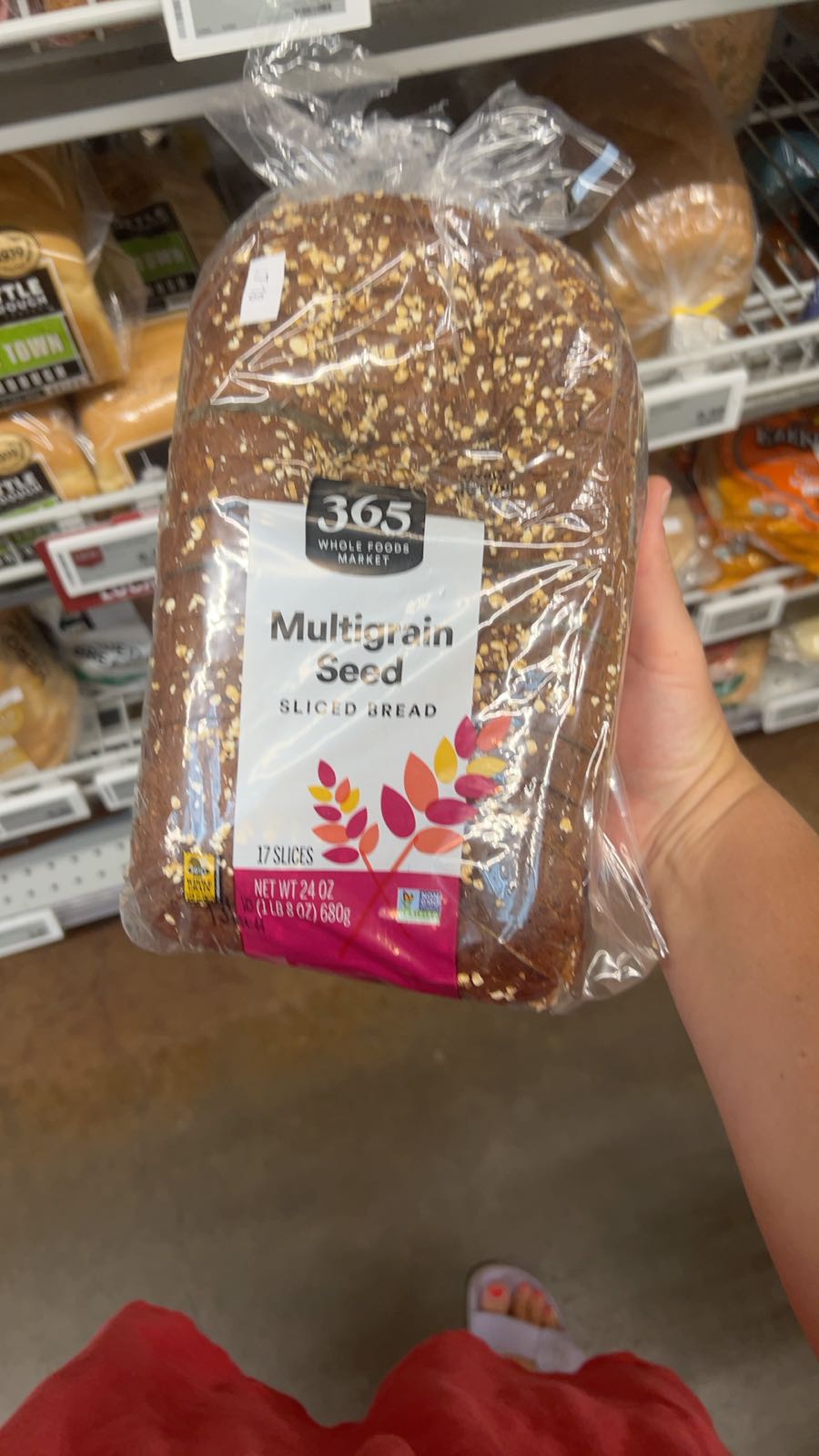
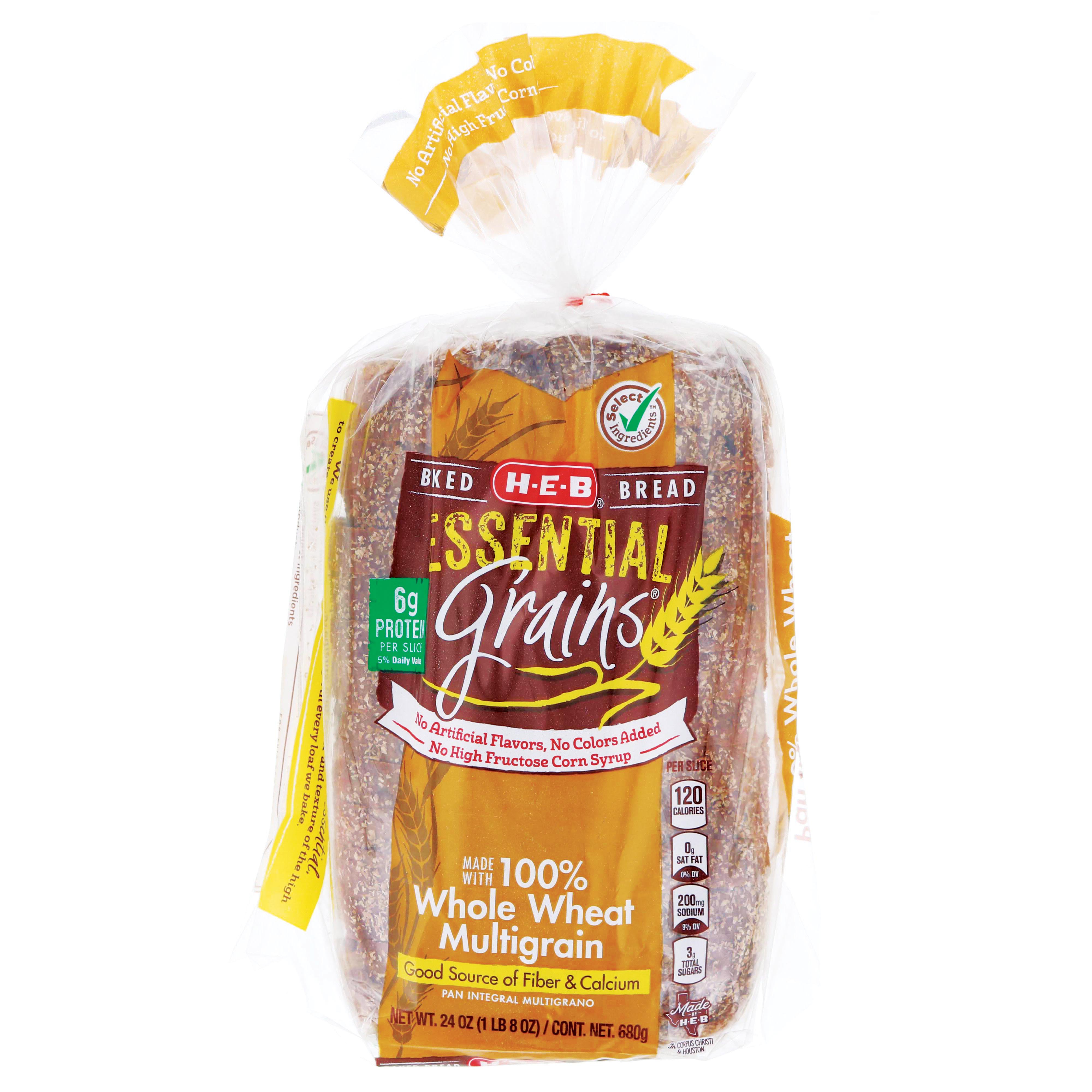
Brick oven Italia round bread whole grain
Analysis updated September 2026 · How Scout scores
At a glance
Summary
This bread contains a variety of whole grains and seeds, such as stone ground whole wheat flour, rolled oats, and flax seeds, which contribute to its nutritional value and fiber content. However, the presence of caramel color, a processed additive, slightly detracts from its overall healthiness. The bread is moderately processed, which limits its score despite the beneficial ingredients.
Key ingredients 16
Stone ground whole wheat flourVery Good
Whole wheat flour is a rich source of fiber and essential nutrients. Stone grinding preserves more nutrients compared to modern milling methods. It supports digestive health and provides sustained energy.
Benefits
High in dietary fiber, vitamins, and minerals, supporting overall health and digestion.
Rolled oatsGood
Rolled oats are a whole grain rich in fiber and beneficial nutrients. They support heart health and provide a source of slow-releasing energy. Their inclusion adds texture and nutritional value to the bread.
Benefits
Rich in beta-glucan, which can help lower cholesterol levels.
Flax seedGood
Flax seeds are high in omega-3 fatty acids and fiber. They support heart health and have anti-inflammatory properties. Ground flax seeds are better absorbed by the body.
Risks
May cause digestive discomfort if consumed in large amounts.
Benefits
Rich in lignans and omega-3 fatty acids, promoting heart health.
Triticale flakesGood
Triticale is a hybrid grain combining wheat and rye, offering a unique nutrient profile. It is high in fiber and protein, supporting digestive health and muscle maintenance. Its inclusion enhances the bread's nutritional diversity.
Risks
Contains gluten, which may be a concern for those with celiac disease.
Benefits
Provides a good balance of protein and fiber, supporting overall health.
Rye flakesGood
Rye flakes are a whole grain rich in fiber and nutrients. They contribute to heart health and provide a distinct flavor to the bread. Rye is known for its ability to improve digestive health.
Risks
Contains gluten, which may be a concern for those with celiac disease.
Benefits
High in fiber, which aids in digestion and helps maintain healthy cholesterol levels.
Sunflower seedsGood
Sunflower seeds are a good source of healthy fats, protein, and vitamins. They support heart health and provide a crunchy texture to the bread. Their nutrient density makes them a beneficial addition.
Benefits
Rich in vitamin E and healthy fats, supporting cardiovascular health.
Coarse rye mealGood
Coarse rye meal is a whole grain ingredient that adds fiber and nutrients. It supports digestive health and provides a hearty texture. Rye is known for its ability to improve satiety and regulate blood sugar.
Risks
Contains gluten, which may be a concern for those with celiac disease.
Benefits
High in fiber, promoting digestive health and satiety.
Sesame seedsGood
Sesame seeds are rich in healthy fats, protein, and minerals. They support bone health and provide a nutty flavor. Their inclusion enhances the nutritional profile of the bread.
Risks
May cause allergic reactions in sensitive individuals.
Benefits
Rich in calcium and magnesium, supporting bone health.
MilletGood
Millet is a gluten-free grain high in fiber and essential nutrients. It supports heart health and provides a source of plant-based protein. Its inclusion adds nutritional diversity to the bread.
Benefits
Rich in magnesium and antioxidants, promoting heart health.
Sea saltGood
Sea salt is a natural source of sodium and trace minerals. It enhances flavor and supports electrolyte balance. Its unrefined nature retains beneficial minerals.
Risks
Excessive sodium intake can lead to high blood pressure.
Benefits
Provides essential minerals and enhances flavor.
WaterNeutral
Water is a fundamental ingredient in bread making, providing moisture and aiding in the mixing process. It does not contribute any calories or nutrients. Its role is primarily functional in the dough structure.
Benefits
Essential for hydration and dough consistency.
Corn mealNeutral
Corn meal is a ground grain product used for texture and flavor. It provides carbohydrates and some nutrients but lacks the fiber of whole grains. Its role is primarily functional in the bread.
Risks
May contribute to blood sugar spikes due to lack of fiber.
Benefits
Provides a source of carbohydrates for energy.
YeastNeutral
Yeast is a leavening agent that helps bread rise. It contributes to the texture and flavor of the bread. Yeast fermentation can enhance the bioavailability of nutrients.
Benefits
Enhances flavor and texture through fermentation.
EnzymesNeutral
Enzymes are used to improve dough handling and bread quality. They are naturally occurring proteins that aid in the breakdown of starches. Their use is common in bread making to enhance texture.
Benefits
Improves dough consistency and bread texture.
Enriched wheat flourBad
Refined grain flour stripped of bran and germ.
Risks
May contribute to blood sugar spikes due to lack of fiber.
Benefits
Provides essential nutrients such as iron and B vitamins.
Caramel colorBad
Caramel color is a food coloring used to enhance appearance. It is a processed additive with no nutritional benefits. Some types may contain harmful compounds formed during production.
Risks
May contain 4-MEI, a potential carcinogen, depending on production method.
Processing
Processed Foods
Get the full breakdown in the Scout appTake Scout shopping
Scan any product to see lab results, healthy alternatives, and your personalized analysis.
Download on theApp Store GET IT ONGoogle Play