


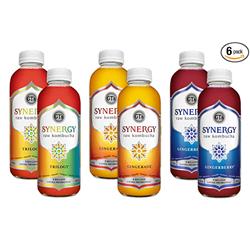

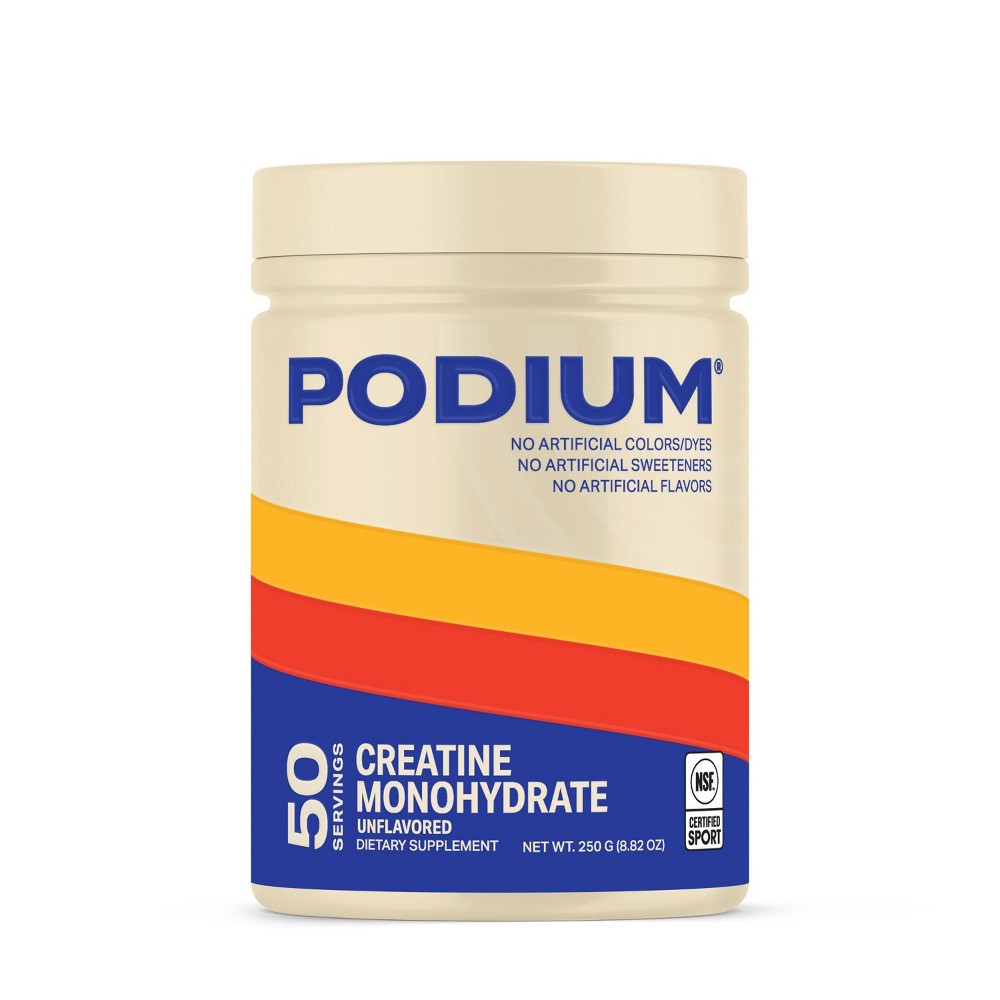
At a glance
Summary
This energy drink contains beneficial ingredients like L-Theanine and green coffee extract, which support cognitive function and metabolism. However, it includes artificial sweeteners like sucralose and preservatives such as sodium benzoate, which are highly processed and raise health concerns. The presence of natural flavors and multiple additives also contributes to its ultra-processed nature, impacting the overall score.
Key ingredients 17
L-TheanineGood
L-Theanine is an amino acid commonly found in tea leaves, known for promoting relaxation without drowsiness. It has been shown to improve focus and reduce stress when combined with caffeine. Its calming effects make it a beneficial addition to energy drinks.
Benefits
Promotes relaxation and improves focus, especially when combined with caffeine.
Whole Coffee Fruit ExtractGood
Whole coffee fruit extract is rich in antioxidants and may support brain health. It is derived from the fruit surrounding the coffee bean and is less processed than other coffee derivatives. Its antioxidant properties contribute to its positive health impact.
Benefits
Rich in antioxidants, which may support brain health and provide anti-inflammatory benefits.
NiacinamideGood
Niacinamide, also known as vitamin B3, is essential for energy metabolism and maintaining healthy skin. It is water-soluble and plays a role in converting food into energy. Its inclusion in energy drinks supports metabolic processes.
Benefits
Supports energy metabolism and contributes to healthy skin.
Green Coffee ExtractGood
Green coffee extract is derived from unroasted coffee beans and is known for its antioxidant properties. It contains chlorogenic acids, which may support weight management and improve glucose metabolism. Its natural origin and health benefits make it a positive addition.
Benefits
Contains chlorogenic acids that may support weight management and improve glucose metabolism.
Calcium D-PantothenateGood
Calcium D-Pantothenate is a form of vitamin B5, essential for synthesizing coenzyme A and supporting energy production. It is water-soluble and plays a crucial role in the metabolism of carbohydrates, proteins, and fats. Its inclusion supports overall metabolic health.
Benefits
Supports energy production and metabolism of carbohydrates, proteins, and fats.
Pyridoxine HydrochlorideGood
Pyridoxine hydrochloride is a form of vitamin B6, important for protein metabolism and cognitive development. It is water-soluble and aids in the production of neurotransmitters. Its role in brain health and metabolism makes it a beneficial ingredient.
Benefits
Supports protein metabolism and cognitive development, aiding in neurotransmitter production.
BiotinGood
Biotin, also known as vitamin B7, is essential for carbohydrate, fat, and protein metabolism. It is water-soluble and supports healthy hair, skin, and nails. Its inclusion in energy drinks aids in overall metabolic health.
Benefits
Supports metabolism and contributes to healthy hair, skin, and nails.
MethylcobalaminGood
Methylcobalamin is a form of vitamin B12, crucial for nerve function and the production of red blood cells. It is water-soluble and supports energy production and neurological health. Its inclusion is beneficial for maintaining overall health.
Benefits
Supports nerve function and red blood cell production, contributing to energy production and neurological health.
Carbonated WaterNeutral
Carbonated water is simply water that has been infused with carbon dioxide gas under pressure. It is a common base for many beverages and does not contribute any significant nutritional value. It is generally considered safe and neutral in terms of health impact.
See more about Carbonated Water →Citric AcidNeutral
Citric acid is a natural acid found in citrus fruits and is used as a preservative and flavor enhancer. It is generally recognized as safe and is commonly used in food and beverages. While it is not harmful in moderate amounts, excessive consumption can lead to dental erosion.
Risks
Excessive consumption may lead to dental erosion due to its acidic nature.
Malic AcidNeutral
Malic acid is a naturally occurring acid found in fruits and is used to enhance flavor and tartness in foods and beverages. It is generally considered safe and is commonly used in the food industry. It does not provide significant nutritional benefits.
See more about Malic Acid →Sodium CitrateNeutral
Sodium citrate is a salt of citric acid and is used as an acidity regulator and preservative. It is generally recognized as safe and is commonly used in food and beverages. It does not provide significant nutritional benefits.
See more about Sodium Citrate →CaffeineNeutral
Standard formulation ingredient — neither beneficial nor harmful at typical use.
Risks
Excessive consumption may lead to jitteriness, insomnia, and increased heart rate.
Benefits
Enhances alertness and concentration, providing cognitive benefits when consumed in moderation.
Natural FlavorsBad
Natural flavors are often used to enhance taste but can be derived from a wide range of sources, making their exact composition unclear. They are highly processed and can contain additives that are not disclosed on the label. This lack of transparency and potential for hidden additives is a concern for health-conscious consumers.
Risks
Potential for undisclosed additives and allergens, which may cause adverse reactions in sensitive individuals.
Potassium SorbateBad
Potassium sorbate is a preservative used to inhibit the growth of mold and yeast in foods. While it is effective in preserving food, it is a synthetic additive and can cause allergic reactions in some individuals. Its use is generally considered safe in small amounts, but it is not without controversy.
Risks
May cause allergic reactions or skin irritation in sensitive individuals.
Benefits
Effectively inhibits the growth of mold and yeast, extending the shelf life of products.
Sodium BenzoateBad
Sodium benzoate is a preservative that prevents the growth of bacteria, yeast, and fungi. It is a synthetic additive and can form benzene, a known carcinogen, when combined with vitamin C under certain conditions. Its safety is debated, especially in high concentrations.
Risks
Potential to form benzene, a carcinogen, when combined with vitamin C in certain conditions.
Benefits
Prevents the growth of bacteria, yeast, and fungi, extending the shelf life of products.
SucraloseBad
Sucralose is an artificial sweetener that is much sweeter than sugar and used to reduce calorie content. It is highly processed and has been linked to negative gut health effects and potential metabolic issues. Despite being calorie-free, its long-term health impacts are still under investigation.
Risks
May negatively affect gut health and potentially lead to metabolic issues.
Benefits
Provides sweetness without calories, which can be beneficial for weight management.
Processing
Ultra-Processed Foods
Get the full breakdown in the Scout appTake Scout shopping
Scan any product to see lab results, healthy alternatives, and your personalized analysis.
Download on theApp Store GET IT ONGoogle Play