
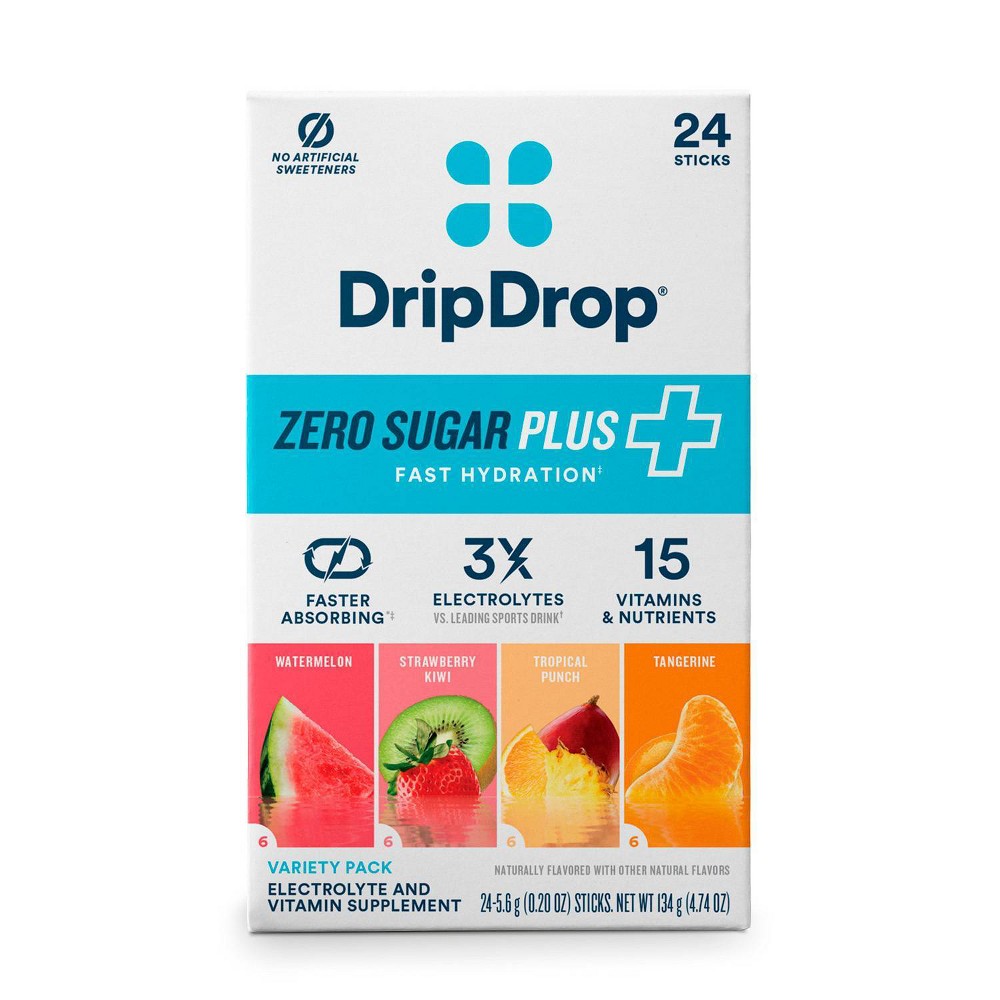
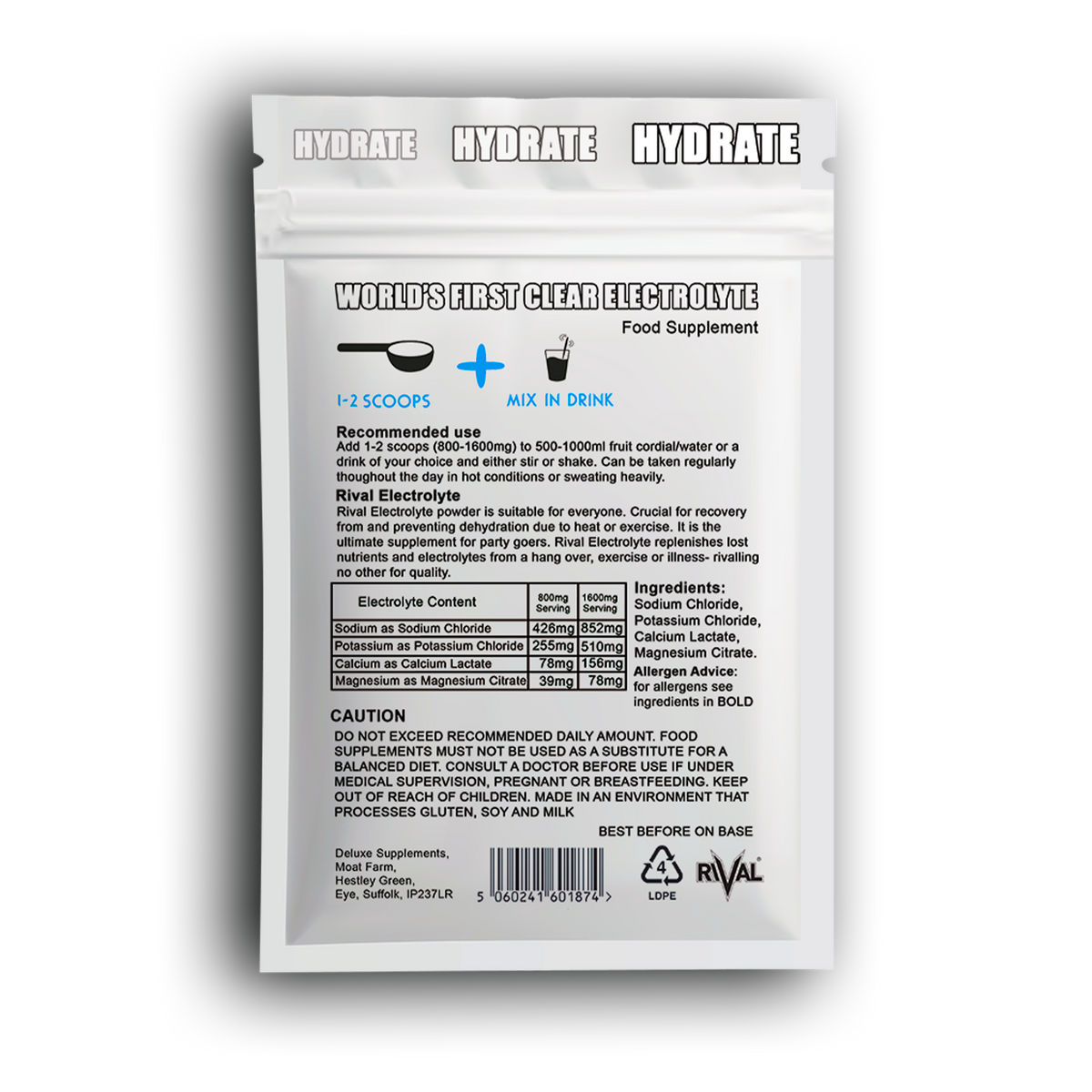

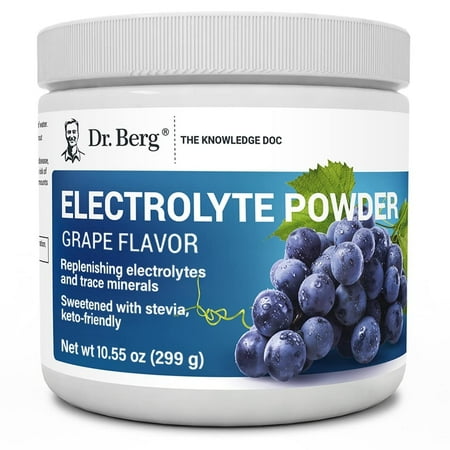

DripDrop Zero Sugar Plus Variety Pack Dietary Supplement Powder - 24ct
Analysis updated June 2026 · How Scout scores
At a glance
Summary
This electrolyte supplement features a clean formulation with beneficial ingredients like sodium citrate, potassium, magnesium, and zinc, which support hydration and overall health. The use of stevia as a sweetener avoids added sugars, enhancing its health profile. However, the presence of 'natural flavors' introduces some uncertainty due to their lack of transparency, slightly impacting the overall score.
Key ingredients 12
Chicory RootGood
Chicory root is a source of inulin, a prebiotic fiber that supports digestive health. It aids in the growth of beneficial gut bacteria and can improve bowel regularity. Additionally, it may help in managing blood sugar levels.
Risks
Excessive consumption may cause digestive discomfort such as bloating or gas.
Benefits
Supports digestive health and may aid in blood sugar management.
PotassiumGood
Potassium is an essential mineral that plays a crucial role in maintaining fluid balance, nerve function, and muscle contractions. It is vital for cardiovascular health and helps regulate blood pressure. Adequate potassium intake is associated with reduced risk of stroke.
Risks
Excessive intake can lead to hyperkalemia, which can affect heart function.
Benefits
Supports heart health, fluid balance, and muscle function.
MagnesiumGood
Magnesium is a vital mineral involved in over 300 biochemical reactions in the body, including energy production and muscle function. It supports bone health and helps regulate blood pressure. Adequate magnesium intake is linked to reduced risk of cardiovascular diseases.
Risks
Excessive intake may cause digestive issues such as diarrhea.
Benefits
Supports energy production, muscle function, and cardiovascular health.
ZincGood
Zinc is an essential trace mineral important for immune function, wound healing, and DNA synthesis. It plays a role in cell division and growth, and is crucial for maintaining a healthy immune system. Zinc deficiency can lead to weakened immunity and delayed wound healing.
Risks
Excessive zinc intake can interfere with copper absorption and cause gastrointestinal distress.
Benefits
Supports immune function and aids in wound healing.
Vitamin CGood
Vitamin C is a powerful antioxidant that supports immune function and skin health. It aids in the absorption of iron from plant-based foods and is essential for collagen synthesis. Regular intake of vitamin C can help reduce the duration of colds.
Risks
High doses may cause digestive disturbances such as diarrhea.
Benefits
Boosts immune function and supports skin health.
B-Complex VitaminsGood
B-complex vitamins are essential for energy production, brain function, and red blood cell formation. They help convert food into energy and support nervous system health. Adequate intake of B vitamins is crucial for maintaining overall health and vitality.
Benefits
Supports energy metabolism and brain health.
Sodium CitrateNeutral
Standard formulation ingredient — neither beneficial nor harmful at typical use.
Risks
Excessive intake may lead to high sodium levels, which can increase blood pressure.
Benefits
Helps in maintaining hydration and electrolyte balance, especially during physical exertion or illness.
Citric AcidNeutral
Citric acid is a natural preservative and flavor enhancer commonly used in food and supplements. It is generally recognized as safe and helps improve the taste of products. However, it is highly processed and does not provide significant nutritional benefits.
Benefits
Enhances flavor and acts as a preservative, extending shelf life.
Silicon DioxideNeutral
Silicon dioxide is used as an anti-caking agent to prevent clumping in powdered products. It is generally recognized as safe and is inert in the body. It does not contribute any nutritional value.
Benefits
Helps maintain product consistency by preventing clumping.
Stevia Leaf ExtractNeutral
Stevia leaf extract is a natural, zero-calorie sweetener derived from the stevia plant. It is used as a sugar substitute and is considered safe for consumption. It does not affect blood sugar levels, making it suitable for diabetics.
Benefits
Provides sweetness without calories or impact on blood sugar levels.
Vegetable Juice For ColorNeutral
Vegetable juice for color is used as a natural coloring agent in food products. It is derived from vegetables and is considered a safer alternative to artificial dyes. However, it does not provide significant nutritional benefits.
Benefits
Provides natural coloring without the risks associated with artificial dyes.
Natural FlavorBad
Natural flavors are often used to enhance taste but can be a catch-all term for a variety of substances. They are highly processed and lack transparency, making it difficult to assess their health impact. While derived from natural sources, they may still contain additives or solvents.
Risks
Potential for undisclosed additives or allergens, and lack of transparency in ingredient sourcing.
Processing
Processed Foods
Get the full breakdown in the Scout appTake Scout shopping
Scan any product to see lab results, healthy alternatives, and your personalized analysis.
Download on theApp Store GET IT ONGoogle PlayAmazon pricing & content
Amazon price as of . Product prices and availability are accurate as of the date/time indicated and are subject to change. Any price and availability information displayed on Amazon.com at the time of purchase will apply to the purchase of this product.
CERTAIN CONTENT THAT APPEARS ON THIS SITE COMES FROM AMAZON. THIS CONTENT IS PROVIDED “AS IS” AND IS SUBJECT TO CHANGE OR REMOVAL AT ANY TIME.