
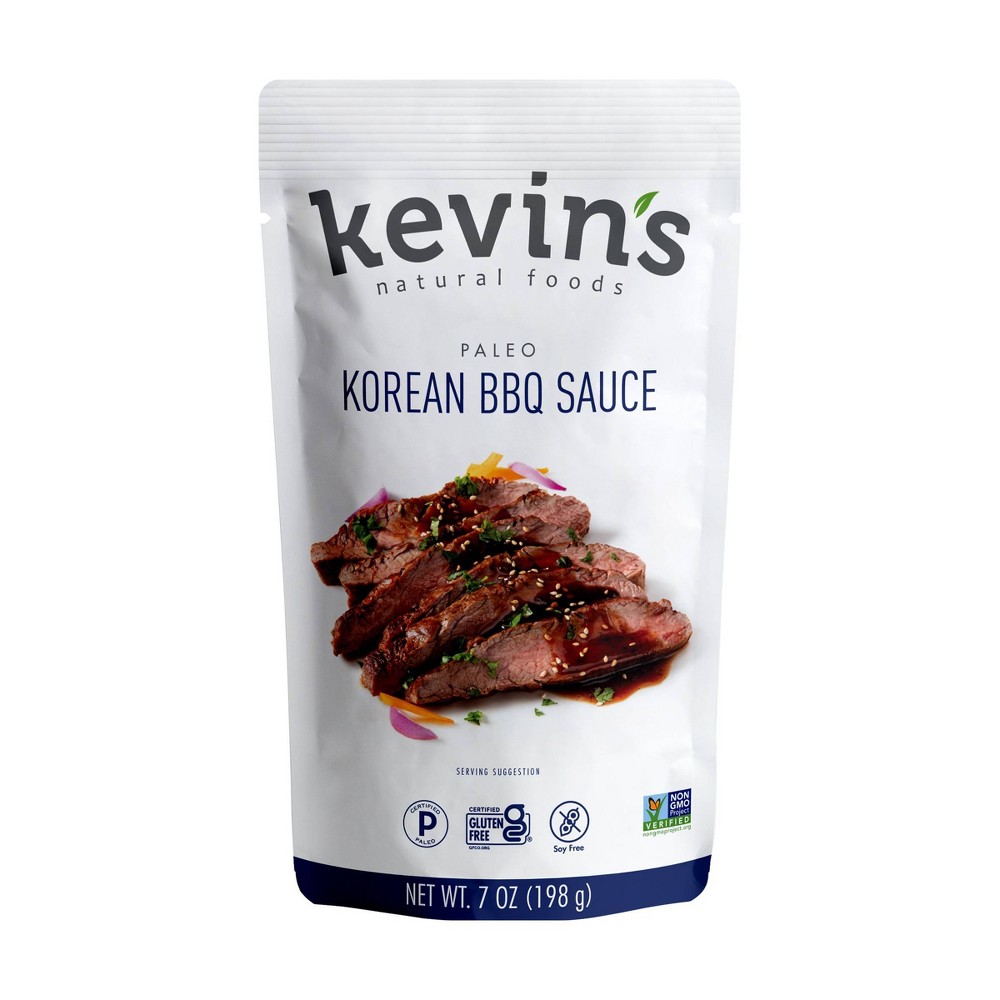


Kevin's Natural Foods Korean BBQ Sauce - 7oz
Analysis updated July 2026 · How Scout scores
At a glance
Summary
This Korean BBQ sauce contains several beneficial ingredients such as coconut aminos, coconut nectar, and roasted sesame oil, which contribute to its nutritional profile. However, it is classified as ultra-processed due to the presence of xanthan gum and citric acid, which are used to enhance texture and preservation. Despite the clean label and minimal additives, the processing level limits its score.
Key ingredients 19
Coconut aminosGood
Coconut aminos is a soy-free alternative to soy sauce, made from the fermented sap of coconut blossoms. It is lower in sodium compared to traditional soy sauce and contains some amino acids. This ingredient is minimally processed and suitable for those avoiding soy.
Benefits
Provides a lower sodium alternative to soy sauce and contains amino acids beneficial for health.
Coconut nectarGood
Coconut nectar is a natural sweetener derived from the sap of coconut blossoms. It has a lower glycemic index than refined sugars, which may help in managing blood sugar levels. This ingredient is minimally processed and retains some nutrients from the coconut sap.
Benefits
Offers a lower glycemic index compared to refined sugars and retains some nutrients.
Sea saltGood
Sea salt is a natural source of sodium and trace minerals. It is less processed than table salt and can enhance the flavor of foods. The presence of trace minerals can provide additional health benefits compared to refined salt.
Risks
Excessive consumption of sodium can lead to high blood pressure and cardiovascular issues.
Benefits
Contains trace minerals that may offer health benefits beyond regular table salt.
Roasted sesame oilGood
Roasted sesame oil is a flavorful oil rich in antioxidants and healthy fats. It is made by pressing roasted sesame seeds, which enhances its flavor and nutritional profile. The oil contains lignans and vitamin E, which may support heart health.
Benefits
Rich in antioxidants and healthy fats that support heart health.
Lemongrass pureeGood
Lemongrass puree is made from the stalks of the lemongrass plant and is used for its citrusy flavor. It contains antioxidants and essential oils that may have anti-inflammatory properties. This ingredient is minimally processed and adds a unique flavor profile.
Benefits
Contains antioxidants and essential oils with potential anti-inflammatory properties.
CilantroGood
Cilantro is a fresh herb used for its distinct flavor and aroma. It contains antioxidants and essential nutrients like vitamin K and vitamin C. This ingredient is minimally processed and can enhance the nutritional profile of dishes.
Benefits
Rich in antioxidants and essential nutrients like vitamin K and vitamin C.
Dehydrated onionGood
Beneficial ingredient — whole-food or functional value in this product class.
Benefits
Provides flavor and retains some antioxidants and vitamins.
SpicesGood
Whole-food seasonings, antioxidant-bearing.
Benefits
Potential anti-inflammatory properties depending on the specific spices used.
Dehydrated garlicGood
Dehydrated garlic is used for its potent flavor and health benefits. It contains compounds like allicin, which have been associated with cardiovascular benefits. The dehydration process preserves its flavor while extending shelf life.
Benefits
Contains allicin, which may support cardiovascular health.
Shiitake mushroomGood
Shiitake mushrooms are valued for their rich umami flavor and health benefits. They contain compounds that may support immune function and provide essential nutrients like vitamin D. This ingredient is minimally processed and adds nutritional value.
Benefits
May support immune function and provide essential nutrients like vitamin D.
Dehydrated gingerGood
Dehydrated ginger is used for its spicy flavor and potential health benefits. It contains gingerol, which has anti-inflammatory and antioxidant properties. The dehydration process preserves its flavor and extends shelf life.
Benefits
Contains gingerol, which may have anti-inflammatory and antioxidant properties.
Monk fruit extractGood
Monk fruit extract is a natural sweetener derived from the monk fruit. It is calorie-free and does not impact blood sugar levels, making it suitable for diabetics. This ingredient is minimally processed and provides a sweet taste without the calories of sugar.
Benefits
Calorie-free sweetener that does not impact blood sugar levels.
WaterNeutral
Water is a neutral ingredient used as a base in many sauces. It helps to dissolve other ingredients and create the desired consistency. There are no significant health impacts associated with water in this context.
See more about Water →VinegarNeutral
Vinegar is used as a preservative and flavor enhancer in many condiments. It is produced through the fermentation of ethanol by acetic acid bacteria. While it provides acidity and flavor, it does not offer significant nutritional benefits.
Benefits
Acts as a natural preservative and flavor enhancer.
Coconut sugarNeutral
Coconut sugar is a natural sweetener made from the sap of coconut palm. It has a lower glycemic index than refined sugar, which may be beneficial for blood sugar management. However, it is still a form of sugar and should be consumed in moderation.
Risks
Excessive consumption can contribute to increased blood sugar levels and caloric intake.
Benefits
Lower glycemic index compared to refined sugar, potentially aiding in blood sugar management.
Tapioca starchNeutral
Tapioca starch is a neutral thickening agent derived from the cassava root. It is used to improve the texture and consistency of sauces. While it is gluten-free and suitable for those with gluten sensitivities, it does not provide significant nutritional benefits.
Benefits
Gluten-free thickening agent suitable for those with gluten sensitivities.
Xanthan gumNeutral
Fermentation-derived thickener, well tolerated at food-use levels.
Risks
May cause digestive issues such as bloating and gas in sensitive individuals.
Benefits
Improves texture and stability in food products.
Citric acidNeutral
Citric acid is a natural preservative and flavor enhancer found in citrus fruits. It is used to add acidity and improve shelf life in food products. While it is generally recognized as safe, excessive consumption can lead to dental erosion.
Risks
Excessive consumption can lead to dental erosion.
Benefits
Acts as a natural preservative and flavor enhancer.
Yeast extractBad
Concentrated glutamate source — MSG-adjacent flavor enhancer.
Risks
May contain naturally occurring glutamates, which some individuals may be sensitive to.
Benefits
Provides umami flavor and is a source of B vitamins.
Processing
Ultra-Processed Foods
Get the full breakdown in the Scout appTake Scout shopping
Scan any product to see lab results, healthy alternatives, and your personalized analysis.
Download on theApp Store GET IT ONGoogle PlayAmazon pricing & content
Amazon price as of . Product prices and availability are accurate as of the date/time indicated and are subject to change. Any price and availability information displayed on Amazon.com at the time of purchase will apply to the purchase of this product.
CERTAIN CONTENT THAT APPEARS ON THIS SITE COMES FROM AMAZON. THIS CONTENT IS PROVIDED “AS IS” AND IS SUBJECT TO CHANGE OR REMOVAL AT ANY TIME.