
:max_bytes(150000):strip_icc()/20260209-SEA-VodkaTasteTest-AmandaSuarez-00-3c1e6b5d18314c7681020a83d1e59d94.jpg)
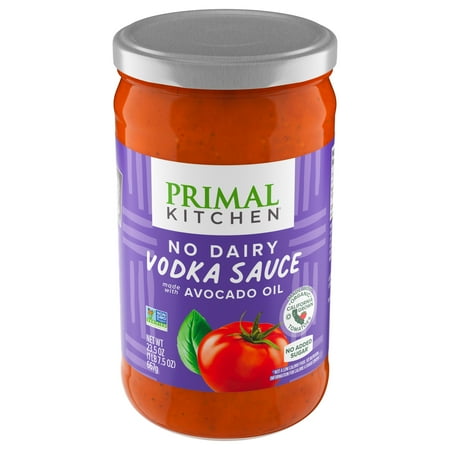
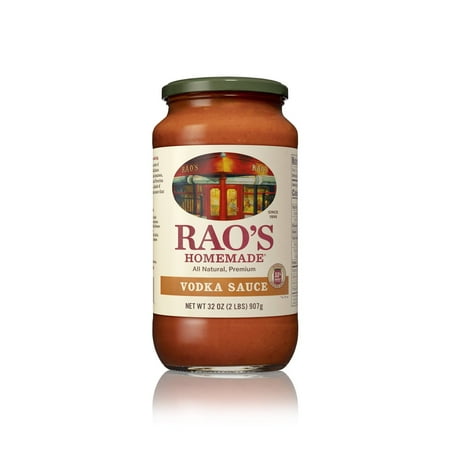

At a glance
Summary
This vodka sauce contains beneficial ingredients like tomatoes, onions, olive oil, and garlic, which contribute to its nutritional value. However, it is classified as ultra-processed due to the presence of additives such as xanthan gum and citric acid, and it includes refined sugar, which is associated with negative health impacts. The processing level and the inclusion of sugar and additives limit its overall healthiness.
Key ingredients 14
Olive oilVery Good
Olive oil is a high-quality monounsaturated fat with anti-inflammatory properties. It contains antioxidants that support heart health. Cold-pressed extraction preserves beneficial compounds.
Benefits
Rich in monounsaturated fats that support heart health and provide anti-inflammatory properties. Contains antioxidants like vitamin E and polyphenols that may reduce oxidative stress.
TomatoesGood
Tomatoes are a rich source of vitamins, minerals, and antioxidants like lycopene. They are minimally processed and provide essential nutrients. Lycopene is known for its potential to reduce the risk of chronic diseases.
Benefits
Rich in vitamins C and K, potassium, and folate. Lycopene may help reduce the risk of heart disease and certain cancers.
OnionsGood
Onions are a natural source of vitamins, minerals, and antioxidants. They are minimally processed and contribute to flavor and nutritional value. Quercetin in onions has anti-inflammatory properties.
Benefits
Contain antioxidants that may reduce inflammation and lower the risk of heart disease.
GarlicGood
Garlic is known for its potential health benefits, including antimicrobial and anti-inflammatory properties. It is a natural ingredient that enhances flavor. Allicin in garlic may support heart health.
Benefits
May support heart health and has antimicrobial properties.
BasilGood
Basil is an herb that provides flavor and potential health benefits. It contains antioxidants and essential oils. Basil is minimally processed and adds nutritional value.
Benefits
Contains antioxidants and essential oils that may support health.
SpicesGood
Whole-food seasonings, antioxidant-bearing.
Benefits
May provide antioxidants and enhance flavor.
Grated parmesan and romano cheeseNeutral
These cheeses provide protein and calcium but are also high in saturated fats. They are processed with anti-caking agents and preservatives. The nutritional benefits are balanced by the presence of additives.
Risks
Contains saturated fats and preservatives like sorbic acid, which may be a concern for some individuals.
Benefits
Provides protein and calcium, essential for bone health.
WheyNeutral
Liquid whey as a minor dairy ingredient — benign.
Risks
May cause digestive issues for those with lactose intolerance.
Benefits
Supports muscle growth and repair due to its complete amino acid profile.
SaltNeutral
Salt is used for flavor enhancement and preservation. It is a common ingredient in processed foods. Excessive intake can lead to health issues like hypertension.
Risks
High sodium intake can contribute to hypertension and cardiovascular issues.
Benefits
Enhances flavor and acts as a preservative.
VodkaNeutral
Vodka is used in small amounts for flavor enhancement. It is a distilled spirit with no significant nutritional value. The alcohol content is minimal in the final product.
Risks
Excessive alcohol consumption can lead to health issues, but the amount in this product is minimal.
Xanthan gumNeutral
Xanthan gum is used as a thickening and stabilizing agent. It is a polysaccharide produced through fermentation. It is generally recognized as safe but offers no nutritional benefits.
Risks
May cause digestive issues in sensitive individuals.
Citric acidNeutral
Citric acid is used as a preservative and flavor enhancer. It is naturally found in citrus fruits but often produced synthetically for food use. It is generally recognized as safe.
Risks
Excessive consumption may cause digestive discomfort.
Calcium chlorideNeutral
Calcium chloride is used as a firming agent in foods. It is a salt that provides no significant nutritional value. It is generally recognized as safe in small amounts.
Risks
Excessive intake may cause digestive issues.
SugarBad
Refined sugar is associated with negative health impacts such as increased risk of obesity and diabetes. It is a processed ingredient with no nutritional benefits. Excessive consumption can lead to metabolic issues.
Risks
High intake can lead to obesity, diabetes, and other metabolic disorders.
Processing
Ultra-Processed Foods
Get the full breakdown in the Scout appTake Scout shopping
Scan any product to see lab results, healthy alternatives, and your personalized analysis.
Download on theApp Store GET IT ONGoogle Play