
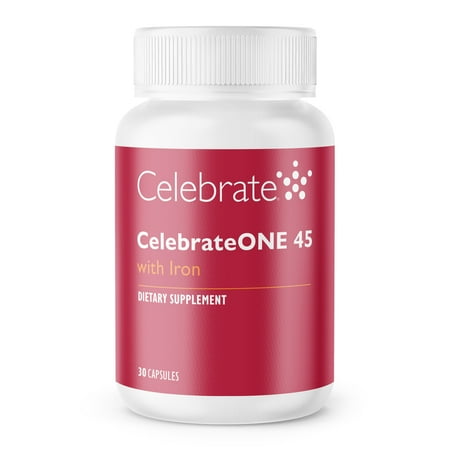

Celebrate Vitamins CelebrateONE 45 Once Daily Bariatric Multivitamin with Iron Capsules 45 mg of Iron 30 count
Summary
This multivitamin is formulated with high-quality, bioavailable forms of essential vitamins and minerals, such as ferrous fumarate for iron and various B vitamins, which are crucial for energy metabolism and overall health. The product is free from harmful additives and artificial ingredients, making it a clean choice for those needing comprehensive nutritional support, especially after bariatric surgery. Its formulation focuses on delivering clinically relevant doses without unnecessary fillers, enhancing its effectiveness and safety.
At a glance
Key ingredients 23
IronVery Good
Iron is essential for the production of hemoglobin and myoglobin, which are crucial for oxygen transport in the blood. Ferrous fumarate is a well-absorbed form of iron, making it effective for preventing and treating iron deficiency anemia. It is particularly important for individuals with increased iron needs, such as those who have undergone bariatric surgery.
Risks
Excessive iron intake can lead to toxicity, causing symptoms like nausea and constipation.
Benefits
Iron supports energy production and cognitive function by ensuring adequate oxygen delivery to tissues.
Vitamins AVery Good
Vitamin A is crucial for maintaining healthy vision, immune function, and skin health. It is a fat-soluble vitamin that plays a role in cell growth and differentiation. Adequate intake of Vitamin A is essential for preventing night blindness and supporting overall eye health.
Risks
High doses of Vitamin A can be toxic, leading to liver damage and other health issues.
Benefits
Vitamin A supports immune function and skin health, contributing to overall well-being.
Vitamin DVery Good
Vitamin D is essential for calcium absorption and bone health, reducing the risk of osteoporosis. It is synthesized in the skin upon exposure to sunlight, but supplementation is often necessary, especially in individuals with limited sun exposure. Vitamin D also supports immune function and has anti-inflammatory properties.
Risks
Excessive Vitamin D can lead to hypercalcemia, causing nausea and kidney problems.
Benefits
Vitamin D enhances bone strength and supports immune health, reducing the risk of infections.
Vitamin EVery Good
Vitamin E is a powerful antioxidant that protects cells from oxidative damage. It is important for immune function and skin health. As a fat-soluble vitamin, it is stored in the body's fatty tissues and helps prevent chronic diseases by neutralizing free radicals.
Risks
High doses of Vitamin E can increase the risk of bleeding, especially in individuals taking anticoagulant medications.
Benefits
Vitamin E supports skin health and immune function, providing antioxidant protection.
Vitamin CVery Good
Vitamin C is a water-soluble vitamin that acts as an antioxidant and is crucial for collagen synthesis. It enhances iron absorption and supports immune function. Regular intake of Vitamin C is important for preventing scurvy and promoting overall health.
Risks
Excessive Vitamin C can cause gastrointestinal disturbances like diarrhea.
Benefits
Vitamin C boosts immune health and aids in collagen production, supporting skin and joint health.
Vitamin B1Very Good
Vitamin B1, also known as thiamine, is essential for energy metabolism and nerve function. It plays a critical role in converting carbohydrates into energy. Thiamine is particularly important for individuals with increased energy needs or those recovering from surgery.
Benefits
Vitamin B1 supports energy production and nerve health, contributing to overall vitality.
Vitamin B2Very Good
Vitamin B2, or riboflavin, is important for energy production and the metabolism of fats, drugs, and steroids. It also plays a role in maintaining healthy skin and eyes. Riboflavin is water-soluble and must be consumed regularly to prevent deficiency.
Benefits
Vitamin B2 supports energy metabolism and skin health, promoting overall well-being.
NiacinVery Good
Niacin, or Vitamin B3, is essential for converting food into energy and maintaining healthy skin and nerves. It also plays a role in DNA repair and the production of stress and sex hormones. Niacin is important for cardiovascular health by helping to lower cholesterol levels.
Risks
High doses of niacin can cause flushing and liver damage.
Benefits
Niacin supports energy metabolism and cardiovascular health, contributing to overall wellness.
Vitamin B6Very Good
Vitamin B6 is involved in amino acid metabolism, neurotransmitter synthesis, and hemoglobin production. It is crucial for brain health and immune function. Adequate intake of Vitamin B6 is important for preventing anemia and supporting cognitive function.
Risks
Excessive Vitamin B6 can cause nerve damage and sensory neuropathy.
Benefits
Vitamin B6 supports brain health and immune function, enhancing overall vitality.
Folic AcidVery Good
Folic acid is a synthetic form of folate, a B-vitamin essential for DNA synthesis and cell division. It is particularly important during pregnancy for preventing neural tube defects. Folic acid also supports cardiovascular health by reducing homocysteine levels.
Risks
High doses of folic acid can mask Vitamin B12 deficiency symptoms.
Benefits
Folic acid supports DNA synthesis and cardiovascular health, promoting overall well-being.
Vitamin B12Very Good
Vitamin B12 is essential for red blood cell formation, DNA synthesis, and neurological function. It is particularly important for individuals following a vegetarian or vegan diet, as it is primarily found in animal products. Adequate intake of Vitamin B12 is crucial for preventing anemia and supporting cognitive health.
Benefits
Vitamin B12 supports red blood cell production and neurological health, enhancing overall vitality.
BiotinVery Good
Biotin, also known as Vitamin B7, is important for carbohydrate, fat, and protein metabolism. It supports healthy hair, skin, and nails. Biotin is water-soluble and must be consumed regularly to maintain adequate levels.
Benefits
Biotin supports metabolism and promotes healthy hair, skin, and nails.
Pantothenic AcidVery Good
Pantothenic acid, or Vitamin B5, is essential for the synthesis of coenzyme A, which is involved in fatty acid metabolism. It supports energy production and the synthesis of hormones and neurotransmitters. Pantothenic acid is important for maintaining healthy skin and reducing stress.
Benefits
Pantothenic acid supports energy metabolism and hormone synthesis, promoting overall well-being.
CalciumVery Good
Calcium is essential for bone health and plays a role in muscle function, nerve transmission, and blood clotting. It is the most abundant mineral in the body and is crucial for preventing osteoporosis. Adequate calcium intake is important for maintaining strong bones and teeth.
Risks
Excessive calcium intake can lead to kidney stones and impaired absorption of other minerals.
Benefits
Calcium supports bone health and muscle function, contributing to overall vitality.
MagnesiumVery Good
Magnesium is involved in over 300 enzymatic reactions in the body, including energy production and protein synthesis. It supports muscle and nerve function, blood glucose control, and blood pressure regulation. Magnesium is important for bone health and reducing the risk of cardiovascular disease.
Risks
Excessive magnesium intake can cause diarrhea and abdominal cramping.
Benefits
Magnesium supports energy production and cardiovascular health, enhancing overall well-being.
ZincVery Good
Zinc is essential for immune function, wound healing, and DNA synthesis. It plays a role in cell division and growth, making it important for maintaining healthy skin and hair. Zinc is also crucial for taste and smell and supports reproductive health.
Risks
High doses of zinc can cause nausea and interfere with copper absorption.
Benefits
Zinc supports immune function and skin health, contributing to overall vitality.
SeleniumVery Good
Selenium is a trace mineral that acts as an antioxidant, protecting cells from oxidative damage. It is important for thyroid function and immune health. Selenium also plays a role in DNA synthesis and reproductive health.
Risks
Excessive selenium intake can lead to selenosis, causing symptoms like hair loss and gastrointestinal distress.
Benefits
Selenium supports thyroid function and immune health, providing antioxidant protection.
CopperVery Good
Copper is essential for iron metabolism, energy production, and the formation of connective tissue. It plays a role in maintaining healthy bones, blood vessels, and nerves. Copper is also important for immune function and antioxidant defense.
Risks
High doses of copper can cause liver damage and gastrointestinal issues.
Benefits
Copper supports iron metabolism and connective tissue health, enhancing overall vitality.
ManganeseVery Good
Manganese is a trace mineral involved in bone formation, energy production, and antioxidant defense. It plays a role in the metabolism of carbohydrates, amino acids, and cholesterol. Manganese is important for maintaining healthy bones and reducing inflammation.
Risks
Excessive manganese intake can lead to neurological symptoms similar to Parkinson's disease.
Benefits
Manganese supports bone health and antioxidant defense, promoting overall well-being.
ChromiumVery Good
Chromium is a trace mineral that enhances insulin action and is involved in carbohydrate, fat, and protein metabolism. It supports blood sugar control and may help reduce the risk of insulin resistance. Chromium is important for maintaining healthy blood glucose levels.
Benefits
Chromium supports blood sugar control and insulin sensitivity, contributing to metabolic health.
MolybdenumVery Good
Molybdenum is a trace mineral that acts as a cofactor for enzymes involved in the metabolism of sulfur-containing amino acids. It supports detoxification processes and the breakdown of drugs and toxins. Molybdenum is important for maintaining overall metabolic health.
Benefits
Molybdenum supports enzyme function and detoxification, promoting overall well-being.
PotassiumVery Good
Potassium is an essential mineral that plays a key role in maintaining fluid balance, nerve transmission, and muscle contraction. It is important for cardiovascular health and helps regulate blood pressure. Adequate potassium intake is crucial for preventing hypertension and supporting heart health.
Risks
Excessive potassium intake can lead to hyperkalemia, causing heart rhythm disturbances.
Benefits
Potassium supports cardiovascular health and fluid balance, contributing to overall vitality.
SodiumNeutral
Sodium is an essential electrolyte that helps maintain fluid balance and is involved in nerve transmission and muscle contraction. It is necessary for maintaining blood pressure and overall cellular function. However, excessive sodium intake can lead to hypertension and cardiovascular issues.
Risks
High sodium intake is associated with increased risk of hypertension and cardiovascular disease.
Benefits
Sodium supports fluid balance and nerve function, but should be consumed in moderation.
Processing
Unprocessed or Minimally Processed Foods
Get the full breakdown in the Scout app
Scan any product to see lab results, healthy alternatives, and your personalized analysis.
Download on theApp Store