


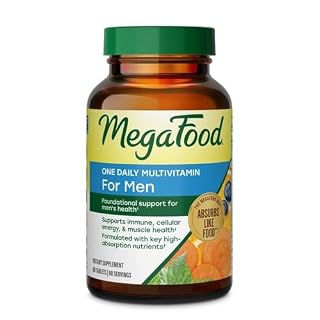
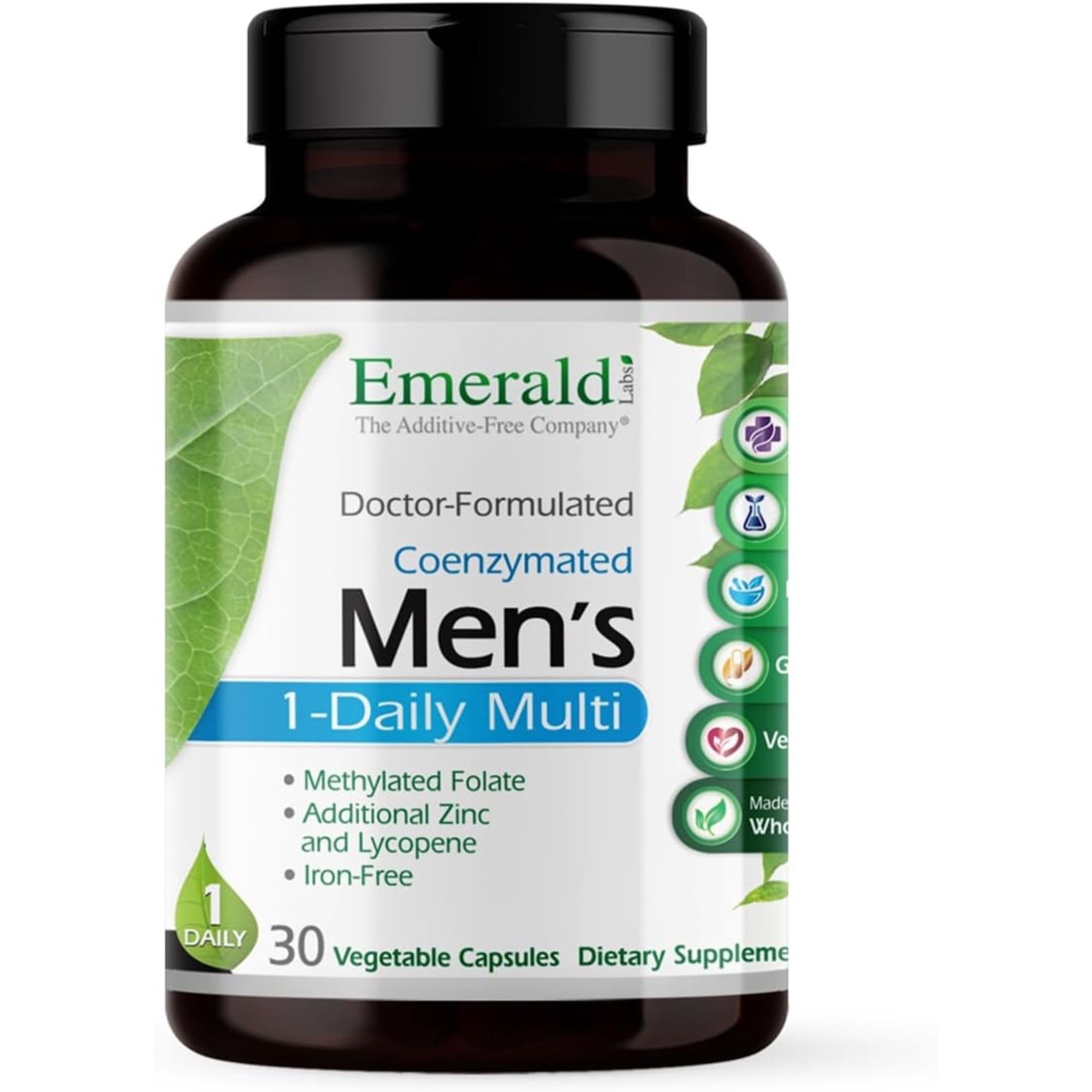
Solaray Once Daily Woman Multivitamin + Iron | Essential Blend for Energy Immune Function & Digestion | 90ct
Analysis updated October 2026 · How Scout scores
At a glance
Summary
This multivitamin contains a comprehensive range of essential vitamins and minerals, which are beneficial for overall health, energy, and immune function. However, the presence of a proprietary enzyme blend reduces transparency regarding ingredient dosages, and the inclusion of several additives like magnesium stearate and silica suggests moderate processing. Despite these concerns, the product offers a well-rounded nutrient profile with bioavailable forms of key vitamins and minerals.
Key ingredients 52
Vitamin AVery Good
Vitamin A is essential for maintaining healthy vision, immune function, and skin health. It is a fat-soluble vitamin that plays a critical role in cell growth and differentiation. Adequate intake supports overall health and reduces the risk of certain diseases.
Risks
Excessive intake can lead to toxicity, causing liver damage and other health issues.
Benefits
Supports eye health, immune function, and skin integrity.
Vitamin CVery Good
Vitamin C is a powerful antioxidant that supports immune function and collagen synthesis. It is water-soluble and helps protect cells from oxidative stress. Regular intake is crucial for maintaining skin health and enhancing iron absorption.
Risks
High doses may cause gastrointestinal disturbances such as diarrhea.
Benefits
Boosts immune system, promotes healthy skin, and enhances iron absorption.
Vitamin DVery Good
Vitamin D is vital for calcium absorption and bone health. It is a fat-soluble vitamin that also supports immune function and reduces inflammation. Adequate levels are associated with a lower risk of chronic diseases.
Risks
Excessive intake can lead to hypercalcemia, causing kidney damage and other issues.
Benefits
Promotes bone health, supports immune function, and reduces inflammation.
Vitamin EVery Good
Vitamin E is an antioxidant that protects cells from oxidative damage. It is fat-soluble and plays a role in immune function and skin health. Adequate intake supports cardiovascular health and reduces oxidative stress.
Risks
High doses may interfere with blood clotting and increase the risk of bleeding.
Benefits
Protects cells from damage, supports immune function, and promotes skin health.
Vitamin KVery Good
Vitamin K is essential for blood clotting and bone metabolism. It is a fat-soluble vitamin that helps maintain bone density and cardiovascular health. Adequate intake is crucial for preventing excessive bleeding and supporting bone health.
Benefits
Supports blood clotting and bone health.
ThiamineVery Good
Thiamine, or Vitamin B1, is crucial for energy metabolism and nerve function. It is water-soluble and helps convert carbohydrates into energy. Adequate intake supports brain function and prevents neurological disorders.
Benefits
Supports energy metabolism and nerve function.
Vitamin B-6Very Good
Vitamin B-6 is crucial for amino acid metabolism and neurotransmitter synthesis. It is water-soluble and supports immune function and brain health. Adequate intake helps reduce the risk of cardiovascular diseases.
Risks
Excessive intake can lead to nerve damage and sensory neuropathy.
Benefits
Supports amino acid metabolism and brain health.
FolateVery Good
Folate is essential for DNA synthesis and cell division. It is water-soluble and crucial during pregnancy for fetal development. Adequate intake reduces the risk of neural tube defects and supports cardiovascular health.
Benefits
Supports DNA synthesis and reduces the risk of birth defects.
Vitamin B-12Very Good
Vitamin B-12 is vital for red blood cell formation and neurological function. It is water-soluble and supports DNA synthesis and energy production. Adequate intake prevents anemia and supports brain health.
Benefits
Supports red blood cell formation and neurological function.
Pantothenic AcidVery Good
Pantothenic acid, or Vitamin B5, is essential for energy production and hormone synthesis. It is water-soluble and supports the synthesis of coenzyme A. Adequate intake helps reduce stress and improve wound healing.
Benefits
Supports energy production and hormone synthesis.
CholineVery Good
Choline is crucial for liver function, brain development, and muscle movement. It supports the synthesis of acetylcholine, a neurotransmitter. Adequate intake helps maintain cell membrane integrity and supports cognitive function.
Risks
Excessive intake may cause fishy body odor, sweating, and gastrointestinal distress.
Benefits
Supports liver function and cognitive health.
CalciumVery Good
Calcium is essential for bone health and muscle function. It supports nerve transmission and blood clotting. Adequate intake helps prevent osteoporosis and supports cardiovascular health.
Risks
Excessive intake may lead to kidney stones and impaired absorption of other minerals.
Benefits
Supports bone health and muscle function.
IronVery Good
Iron is crucial for oxygen transport and energy production. It is a component of hemoglobin and myoglobin. Adequate intake prevents anemia and supports immune function.
Risks
Excessive intake can cause gastrointestinal issues and iron overload, leading to organ damage.
Benefits
Supports oxygen transport and prevents anemia.
IodineVery Good
Iodine is essential for thyroid hormone production and metabolic regulation. It supports brain development and energy metabolism. Adequate intake prevents goiter and supports cognitive function.
Risks
Excessive intake can lead to thyroid dysfunction and autoimmune thyroiditis.
Benefits
Supports thyroid function and metabolic health.
SeleniumVery Good
Selenium is an antioxidant that supports immune function and thyroid health. It helps protect cells from oxidative damage. Adequate intake reduces the risk of certain cancers and supports reproductive health.
Risks
Excessive intake can cause selenosis, leading to hair loss and nail brittleness.
Benefits
Supports immune function and thyroid health.
CopperVery Good
Copper is essential for iron metabolism, connective tissue formation, and brain function. It acts as an antioxidant and supports cardiovascular health. Adequate intake helps prevent anemia and supports immune function.
Risks
Excessive intake can lead to liver damage and gastrointestinal distress.
Benefits
Supports iron metabolism and cardiovascular health.
ManganeseVery Good
Manganese is important for bone formation, blood clotting, and reducing inflammation. It acts as a cofactor for several enzymes. Adequate intake supports metabolic health and antioxidant defense.
Risks
Excessive intake can lead to neurological symptoms similar to Parkinson's disease.
Benefits
Supports bone health and metabolic function.
ChromiumVery Good
Chromium is essential for macronutrient metabolism and insulin sensitivity. It supports glucose metabolism and helps regulate blood sugar levels. Adequate intake may improve insulin sensitivity and support weight management.
Benefits
Supports glucose metabolism and insulin sensitivity.
MolybdenumVery Good
Molybdenum is a trace mineral important for enzyme function and detoxification. It supports the metabolism of sulfur-containing amino acids. Adequate intake helps prevent the buildup of harmful sulfites in the body.
Benefits
Supports enzyme function and detoxification.
PotassiumVery Good
Potassium is crucial for maintaining fluid balance, nerve transmission, and muscle contraction. It supports cardiovascular health and reduces blood pressure. Adequate intake helps prevent hypertension and supports heart health.
Risks
Excessive intake can lead to hyperkalemia, causing heart and muscle dysfunction.
Benefits
Supports cardiovascular health and fluid balance.
RiboflavinGood
Riboflavin, or Vitamin B2, is important for energy production and cellular function. It is water-soluble and acts as an antioxidant. Adequate intake supports skin health and reduces oxidative stress.
Benefits
Supports energy production and acts as an antioxidant.
NiacinGood
Niacin, or Vitamin B3, is essential for energy metabolism and DNA repair. It is water-soluble and supports skin health and nervous system function. Adequate intake helps lower cholesterol levels and improve circulation.
Risks
High doses may cause flushing, liver damage, and gastrointestinal issues.
Benefits
Supports energy metabolism, lowers cholesterol, and improves circulation.
BiotinGood
Biotin, or Vitamin B7, is important for carbohydrate, fat, and protein metabolism. It is water-soluble and supports skin, hair, and nail health. Adequate intake helps maintain healthy metabolic function.
Benefits
Supports metabolism and promotes healthy skin, hair, and nails.
MagnesiumGood
Magnesium is vital for muscle and nerve function, blood glucose control, and bone health. It acts as a cofactor in over 300 enzymatic reactions. Adequate intake supports cardiovascular health and reduces inflammation.
Risks
Excessive intake can cause diarrhea and abdominal cramping.
Benefits
Supports muscle and nerve function and bone health.
ZincGood
Zinc is crucial for immune function, wound healing, and DNA synthesis. It acts as an antioxidant and supports cell division. Adequate intake helps reduce the duration of colds and supports skin health.
Risks
Excessive intake can lead to nausea, vomiting, and impaired immune function.
Benefits
Supports immune function and wound healing.
InositolGood
Inositol is important for cell membrane health and neurotransmitter signaling. It supports mental health and may improve insulin sensitivity. Adequate intake helps reduce anxiety and supports metabolic health.
Benefits
Supports mental health and cell membrane integrity.
LuteinGood
Lutein is a carotenoid that supports eye health and reduces the risk of age-related macular degeneration. It acts as an antioxidant and protects the eyes from oxidative stress. Adequate intake supports vision and eye health.
Benefits
Supports eye health and reduces oxidative stress.
Hair Skin and Nails BlendNeutral
This blend typically contains ingredients that support the health of hair, skin, and nails. The specific components and their concentrations are not detailed. Without specific information, the overall impact is neutral.
Benefits
May support the health of hair, skin, and nails.
Proprietary Enzyme BlendNeutral
This blend contains enzymes that aid in digestion and nutrient absorption. The specific enzymes and their concentrations are not detailed. Without specific information, the overall impact is neutral.
Benefits
May aid in digestion and nutrient absorption.
Whole Food BaseNeutral
This ingredient serves as a base for the supplement, providing a natural source of nutrients. The specific components and their concentrations are not detailed. Without specific information, the overall impact is neutral.
Benefits
Provides a natural source of nutrients.
ABANeutral
ABA, or abscisic acid, is a plant hormone that may have health benefits, but its role in human nutrition is not well established. It is included for potential health benefits. Without specific information, the overall impact is neutral.
Benefits
Potential health benefits are not well established.
Vegetable Cellulose CapsuleNeutral
Vegetable cellulose is used as a capsule material and is derived from plant sources. It is a common and safe excipient in supplements. It does not contribute any nutritional value.
Benefits
Provides a plant-based capsule material.
Magnesium StearateNeutral
Magnesium stearate is used as a flow agent in supplement manufacturing. It is generally recognized as safe and does not affect the nutritional value of the product. It ensures consistent quality and prevents ingredients from sticking to equipment.
Benefits
Ensures consistent quality in supplement manufacturing.
SilicaNeutral
Silica is used as an anti-caking agent in supplements. It is generally recognized as safe and does not affect the nutritional value of the product. It helps maintain the free-flowing nature of powdered ingredients.
Benefits
Prevents clumping and maintains product quality.
Sodium AlginateNeutral
Sodium alginate is used as a thickening and stabilizing agent. It is derived from brown seaweed and is generally recognized as safe. It does not contribute any nutritional value.
Benefits
Acts as a thickening and stabilizing agent.
Pea StarchNeutral
Pea starch is used as a filler and binder in supplements. It is derived from peas and is generally recognized as safe. It does not contribute any significant nutritional value.
Benefits
Acts as a filler and binder in supplements.
CelluloseNeutral
Cellulose is used as a filler and binder in supplements. It is derived from plant sources and is generally recognized as safe. It does not contribute any nutritional value.
Benefits
Acts as a filler and binder in supplements.
Tricalcium PhosphateNeutral
Tricalcium phosphate is used as a calcium source and anti-caking agent. It is generally recognized as safe and does not affect the nutritional value of the product. It helps maintain the free-flowing nature of powdered ingredients.
Benefits
Provides calcium and prevents clumping.
MSMNeutral
MSM, or methylsulfonylmethane, is used for its potential anti-inflammatory properties. It is included for joint health benefits, but its efficacy is not well established. Without specific information, the overall impact is neutral.
Benefits
Potential joint health benefits are not well established.
L-CysteineNeutral
L-Cysteine is an amino acid that supports protein synthesis and detoxification. It is included for its potential health benefits, but its role in supplements is not well established. Without specific information, the overall impact is neutral.
Benefits
Supports protein synthesis and detoxification.
L-MethionineNeutral
L-Methionine is an amino acid that supports protein synthesis and liver function. It is included for its potential health benefits, but its role in supplements is not well established. Without specific information, the overall impact is neutral.
Benefits
Supports protein synthesis and liver function.
AmylaseNeutral
Amylase is an enzyme that aids in the digestion of carbohydrates. It is included to support digestive health. Without specific information, the overall impact is neutral.
Benefits
Aids in carbohydrate digestion.
ProteaseNeutral
Protease is an enzyme that aids in the digestion of proteins. It is included to support digestive health. Without specific information, the overall impact is neutral.
Benefits
Aids in protein digestion.
LipaseNeutral
Lipase is an enzyme that aids in the digestion of fats. It is included to support digestive health. Without specific information, the overall impact is neutral.
Benefits
Aids in fat digestion.
BromelainNeutral
Bromelain is an enzyme that aids in the digestion of proteins and may have anti-inflammatory properties. It is included to support digestive health. Without specific information, the overall impact is neutral.
Benefits
Aids in protein digestion and may reduce inflammation.
LactaseNeutral
Lactase is an enzyme that aids in the digestion of lactose. It is included to support digestive health, particularly for those with lactose intolerance. Without specific information, the overall impact is neutral.
Benefits
Aids in lactose digestion.
CellulaseNeutral
Cellulase is an enzyme that aids in the digestion of cellulose, a component of plant cell walls. It is included to support digestive health. Without specific information, the overall impact is neutral.
Benefits
Aids in cellulose digestion.
XylanaseNeutral
Xylanase is an enzyme that aids in the digestion of hemicellulose, a component of plant cell walls. It is included to support digestive health. Without specific information, the overall impact is neutral.
Benefits
Aids in hemicellulose digestion.
PectinaseNeutral
Pectinase is an enzyme that aids in the digestion of pectin, a component of plant cell walls. It is included to support digestive health. Without specific information, the overall impact is neutral.
Benefits
Aids in pectin digestion.
PhytaseNeutral
Phytase is an enzyme that aids in the digestion of phytic acid, improving mineral absorption. It is included to support digestive health. Without specific information, the overall impact is neutral.
Benefits
Improves mineral absorption.
B-glucanaseNeutral
B-glucanase is an enzyme that aids in the digestion of beta-glucans, a type of fiber. It is included to support digestive health. Without specific information, the overall impact is neutral.
Benefits
Aids in beta-glucan digestion.
B-glucosidaseNeutral
B-glucosidase is an enzyme that aids in the digestion of glucosides, a type of sugar compound. It is included to support digestive health. Without specific information, the overall impact is neutral.
Benefits
Aids in glucoside digestion.
Processing
Processed Foods
Get the full breakdown in the Scout appTake Scout shopping
Scan any product to see lab results, healthy alternatives, and your personalized analysis.
Download on theApp Store GET IT ONGoogle PlayAmazon pricing & content
Amazon price as of . Product prices and availability are accurate as of the date/time indicated and are subject to change. Any price and availability information displayed on Amazon.com at the time of purchase will apply to the purchase of this product.
CERTAIN CONTENT THAT APPEARS ON THIS SITE COMES FROM AMAZON. THIS CONTENT IS PROVIDED “AS IS” AND IS SUBJECT TO CHANGE OR REMOVAL AT ANY TIME.