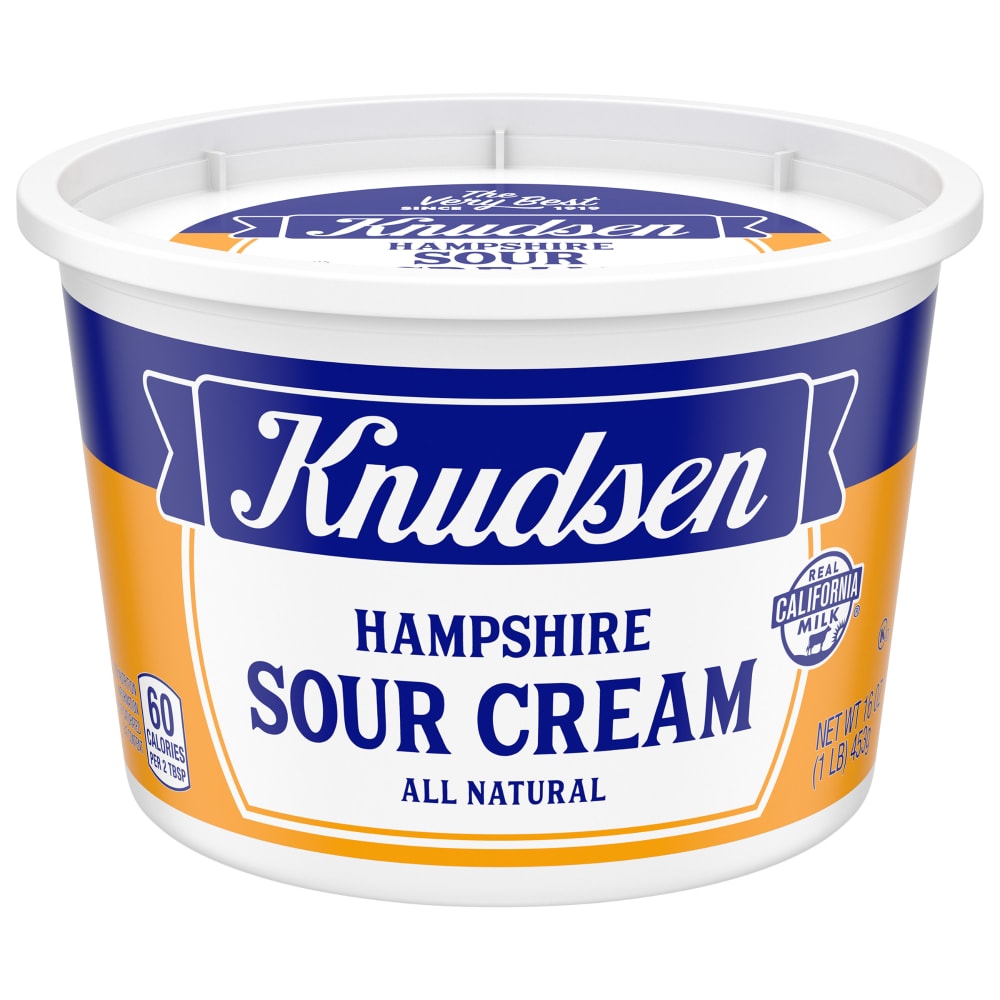
Dairy free sour cream

At a glance
Summary
This dairy-free sour cream features beneficial ingredients like white beans and oats, which provide fiber and essential nutrients, and coconut oil, a healthier fat alternative. However, the presence of 'natural flavor' raises concerns due to its lack of transparency. The product is moderately processed, which limits its score despite the overall clean ingredient list.
Key ingredients 10
OatsVery Good
Oats are a whole grain known for their high fiber content, particularly beta-glucan, which can help lower cholesterol levels. They also provide a good source of vitamins and minerals, including manganese and phosphorus. Oats contribute to heart health and sustained energy release.
Risks
May contain gluten if not certified gluten-free, posing a risk for those with celiac disease.
Benefits
High in soluble fiber, which supports heart health and provides sustained energy.
White BeansGood
White beans are a good source of plant-based protein and fiber, contributing to satiety and digestive health. They also provide essential nutrients like iron and folate. Their inclusion supports a balanced diet with plant-based nutrition.
Risks
May cause digestive discomfort in some individuals due to oligosaccharides.
Benefits
Rich in fiber and protein, supporting digestive health and providing essential nutrients.
Coconut OilGood
Coconut oil is a source of medium-chain triglycerides (MCTs), which are metabolized differently than other fats and can provide quick energy. It is also known for its antimicrobial properties. While high in saturated fat, it is considered a healthier alternative to seed oils.
Risks
High in saturated fats, which may impact heart health if consumed in excess.
Benefits
Contains MCTs that provide quick energy and may support metabolic health.
Sea SaltGood
Sea salt is a natural source of sodium and trace minerals, offering a more mineral-rich alternative to refined table salt. It is minimally processed, retaining its natural mineral content. Its use enhances flavor while providing essential electrolytes.
Risks
Excessive sodium intake can lead to hypertension.
Benefits
Provides essential minerals and enhances flavor with minimal processing.
WaterNeutral
Water is a neutral ingredient used as a base or solvent in many food products. It does not contribute any nutritional value or health risks. Its presence is primarily functional, aiding in texture and consistency.
See more about Water →Gum ArabicNeutral
Gum arabic is a natural gum used as a stabilizer and thickener in food products. It is generally recognized as safe and has minimal impact on health. Its primary function is to improve texture and consistency.
Risks
Excessive consumption may cause digestive discomfort.
Konjac Root PowderNeutral
Konjac root powder is used as a thickening agent and is high in glucomannan, a soluble fiber. It can aid in digestion and promote a feeling of fullness. However, its primary role in this product is functional.
Risks
May cause digestive issues if consumed in large amounts.
Benefits
Contains glucomannan, which can aid digestion and promote satiety.
Calcium CitrateNeutral
Calcium citrate is a form of calcium used to fortify foods and support bone health. It is more easily absorbed than some other forms of calcium. Its inclusion is primarily for nutritional enhancement.
Risks
Excessive intake may lead to hypercalcemia.
Benefits
Provides a bioavailable form of calcium that supports bone health.
Lactic AcidNeutral
Lactic acid is used as a preservative and acidity regulator in foods. It is naturally occurring and generally recognized as safe. Its primary role is to maintain product stability and flavor.
See more about Lactic Acid →Natural FlavorBad
Natural flavors are often used to enhance taste but lack transparency regarding their specific composition. They can contain a variety of chemicals derived from natural sources. The lack of disclosure can be concerning for those with allergies or sensitivities.
Risks
Potential allergen risk due to undisclosed components.
Processing
Processed Foods
Get the full breakdown in the Scout appTake Scout shopping
Scan any product to see lab results, healthy alternatives, and your personalized analysis.
Are you WayFare? Fix an error Get the badge Get tested