

At a glance
Summary
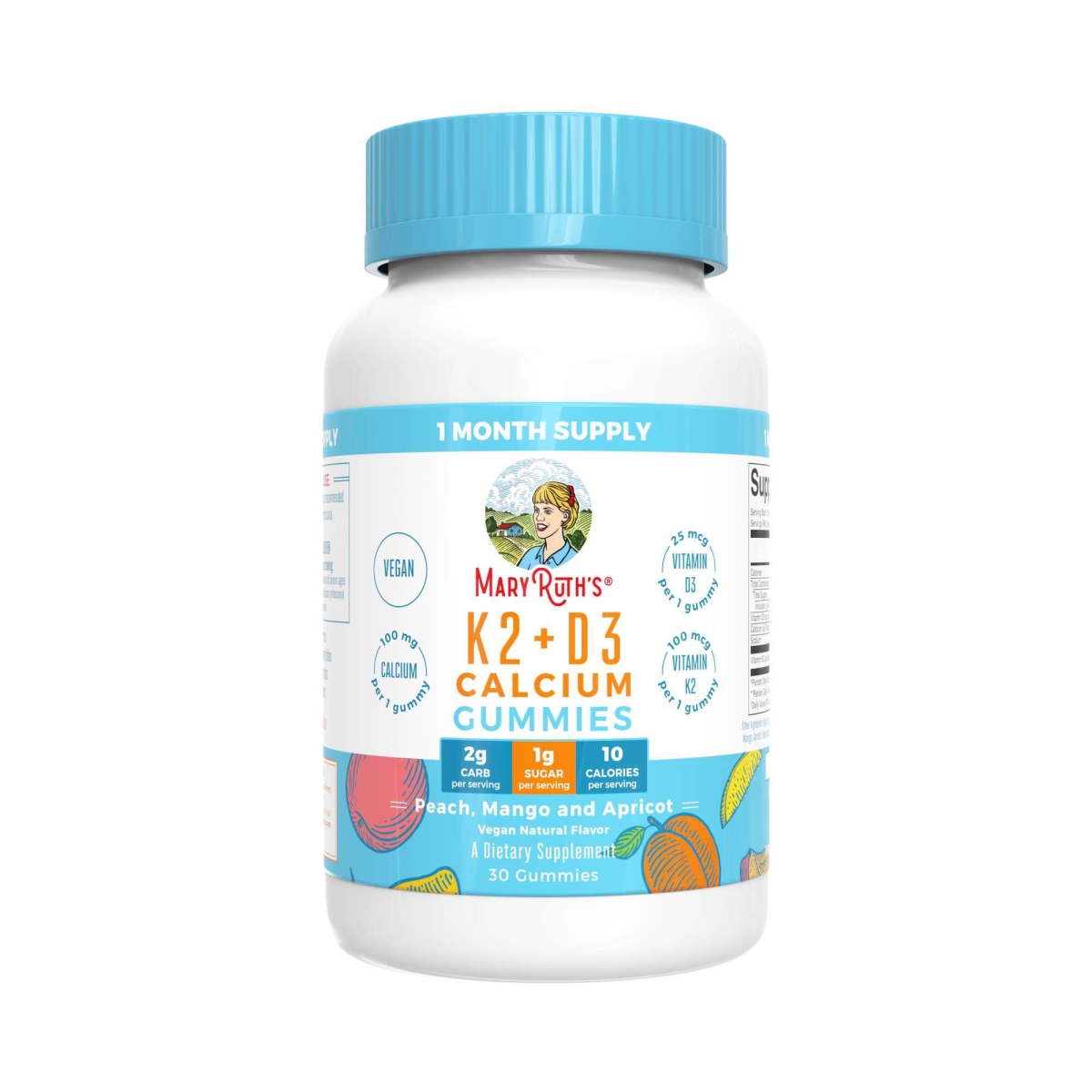
This supplement contains organic sunflower oil, which is a seed oil high in omega-6 fatty acids that can promote inflammation if consumed excessively. Additionally, the use of natural flavors lacks transparency, which can be a concern for those with allergies or sensitivities. Despite these issues, the product does not contain artificial dyes or sweeteners, which helps maintain a moderate score.
Key ingredients 9
PectinNeutral
Pectin is a natural gelling agent derived from fruits, used to give gummies their chewy texture. It is a plant-based alternative to gelatin, making it suitable for vegetarians and vegans. It does not provide significant nutritional benefits.
See more about Pectin →Purified WaterNeutral
Purified water is used as a solvent and to hydrate the ingredients in the gummy formulation. It is essential for the consistency and texture of the product. It does not contribute any nutritional value.
See more about Purified Water →Citric AcidNeutral
Citric acid is a natural preservative and flavor enhancer derived from citrus fruits. It is commonly used to add a tart flavor to foods and beverages. It is generally recognized as safe when consumed in typical amounts.
Risks
Excessive consumption may cause dental erosion.
Sodium CitrateNeutral
Sodium citrate is used as an acidity regulator and preservative in food products. It helps maintain the stability and flavor of the gummies. It is generally recognized as safe in food applications.
See more about Sodium Citrate →Beta Carotene ColorNeutral
Beta carotene is a natural pigment used to color foods and is a precursor to vitamin A. It is considered safe and is often used as a natural alternative to synthetic dyes. However, in the amounts used for coloring, it does not provide significant nutritional benefits.
See more about Beta Carotene Color →Organic Tapioca SyrupBad
Processed additive flagged under Scout's ingredient doctrine.
Risks
Excessive consumption may contribute to increased blood sugar levels.
Organic Cane SugarBad
Processed additive flagged under Scout's ingredient doctrine.
Risks
High consumption can lead to increased risk of obesity and dental cavities.
Natural FlavorsBad
Natural flavors are used to enhance the taste of the product but can be derived from a wide range of sources, making their exact composition unclear. They are often criticized for being a catch-all term that lacks transparency. The lack of specificity can be concerning for those with allergies or sensitivities.
Risks
Potential allergen risk due to unspecified sources.
Organic Sunflower OilVery Bad
Organic sunflower oil is a seed oil high in omega-6 fatty acids, which can promote inflammation when consumed in excess. Despite being organic, it is still considered a less desirable ingredient due to its potential health impacts. The processing methods can also affect its nutritional quality.
Risks
High omega-6 content may promote inflammation when consumed in excess.
Processing
Processed Foods
Get the full breakdown in the Scout appTake Scout shopping
Scan any product to see lab results, healthy alternatives, and your personalized analysis.
Download on theApp Store GET IT ONGoogle Play