
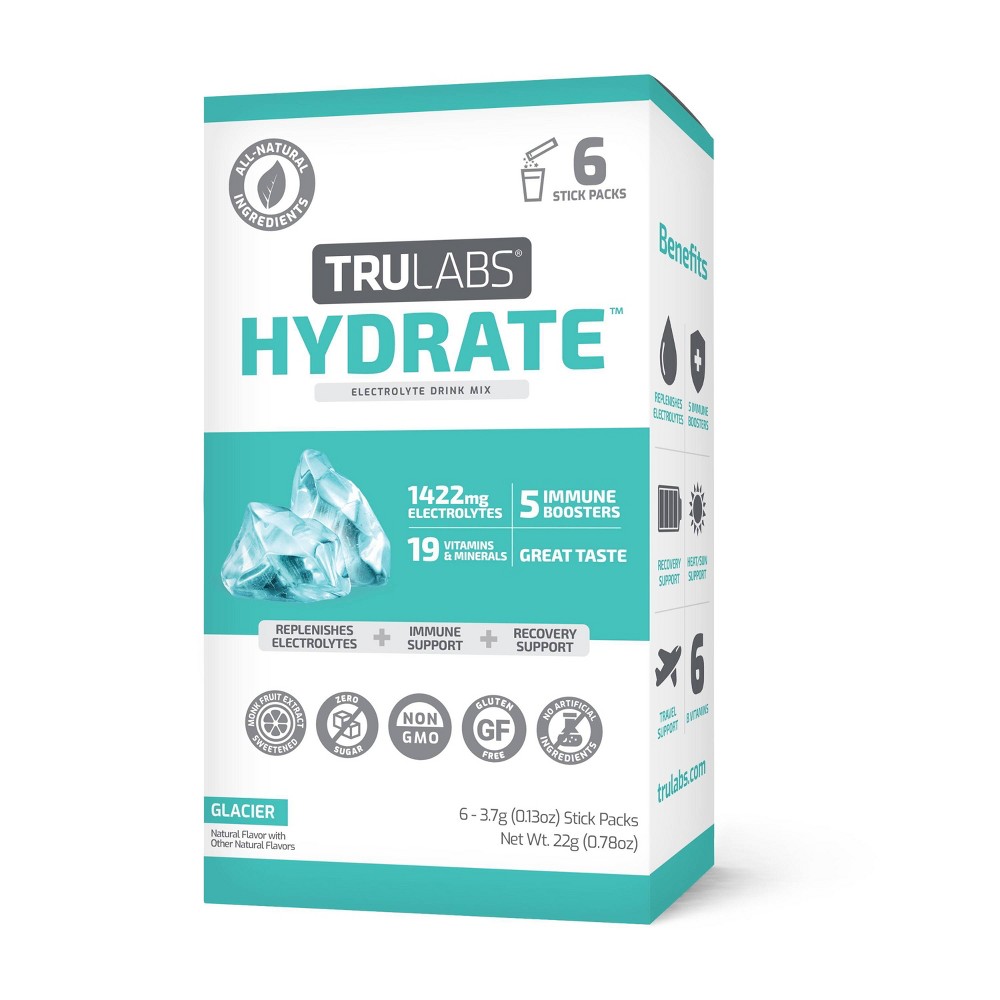

TruLabs Hydrate Sports Drink - Glacier Freeze - 0.78oz/6ct
Analysis updated August 2026 · How Scout scores
At a glance
Summary
This sports drink features a well-balanced formulation with beneficial ingredients like magnesium glycinate, spirulina, and various essential minerals, which support hydration and overall health. The use of natural sweeteners such as monk fruit extract is a positive aspect, avoiding artificial sweeteners and dyes. However, the presence of 'natural flavors' introduces some uncertainty regarding ingredient transparency, slightly impacting the overall score.
Key ingredients 24
SpirulinaVery Good
Spirulina is a nutrient-dense algae rich in protein, vitamins, and minerals. It has antioxidant and anti-inflammatory properties. It is considered a superfood due to its high nutrient content.
Risks
May cause allergic reactions in sensitive individuals.
Benefits
Rich in nutrients and antioxidants, supporting overall health.
Potassium CitrateGood
Potassium citrate is used to provide potassium, an essential mineral for maintaining fluid balance and muscle function. It helps prevent muscle cramps and supports cardiovascular health. It is beneficial in replenishing electrolytes lost during exercise.
Risks
Excessive intake can lead to hyperkalemia, which affects heart function.
Benefits
Supports muscle function and electrolyte balance.
Calcium CitrateGood
Calcium citrate is a form of calcium that is easily absorbed by the body. It supports bone health and is important for muscle function. It is a preferred form of calcium for those with low stomach acid.
Risks
Excessive calcium intake can lead to kidney stones and impaired absorption of other minerals.
Benefits
Supports bone health and muscle function.
Magnesium GlycinateGood
Magnesium glycinate is a highly absorbable form of magnesium that supports muscle and nerve function. It helps reduce muscle cramps and improve sleep quality. It is gentle on the stomach compared to other forms of magnesium.
Risks
Excessive intake can cause diarrhea and abdominal discomfort.
Benefits
Supports muscle relaxation and overall magnesium levels.
Ascorbic AcidGood
Ascorbic acid, also known as vitamin C, is an essential nutrient that supports immune function and acts as an antioxidant. It helps protect cells from damage and aids in collagen synthesis. It is important for overall health and wellness.
Risks
High doses can cause gastrointestinal discomfort.
Benefits
Supports immune health and acts as an antioxidant.
CholecalciferolGood
Cholecalciferol, or vitamin D3, is crucial for calcium absorption and bone health. It supports immune function and has been linked to mood regulation. It is the preferred form of vitamin D for supplementation.
Risks
Excessive intake can lead to hypercalcemia, affecting heart and kidney function.
Benefits
Supports bone health and immune function.
NiacinGood
Niacin, or vitamin B3, is important for energy metabolism and maintaining healthy skin. It supports cardiovascular health by improving cholesterol levels. It is an essential nutrient that plays a role in DNA repair.
Risks
High doses can cause flushing and liver damage.
Benefits
Supports energy production and cardiovascular health.
Zinc Amino Acid ChelateGood
Zinc amino acid chelate is a highly bioavailable form of zinc that supports immune function and wound healing. It plays a role in DNA synthesis and cell division. It is important for maintaining overall health.
Risks
Excessive zinc intake can interfere with copper absorption.
Benefits
Supports immune health and wound healing.
Iron Amino Acid ChelateGood
Iron amino acid chelate is a form of iron that is easily absorbed and gentle on the stomach. It is essential for oxygen transport and energy production. It helps prevent iron deficiency anemia.
Risks
Excessive iron intake can cause gastrointestinal issues and toxicity.
Benefits
Supports oxygen transport and energy production.
Selenium Amino Acid ChelateGood
Selenium amino acid chelate is a bioavailable form of selenium that acts as an antioxidant. It supports thyroid function and immune health. It is important for protecting cells from oxidative damage.
Risks
High doses can lead to selenium toxicity, causing hair loss and gastrointestinal issues.
Benefits
Supports antioxidant defense and thyroid health.
Chromium ChlorideGood
Chromium chloride provides chromium, a trace mineral that enhances insulin action and glucose metabolism. It supports blood sugar regulation and may aid in weight management. It is important for maintaining normal blood glucose levels.
Risks
Excessive intake can lead to kidney and liver damage.
Benefits
Supports blood sugar regulation and insulin sensitivity.
MethylcobalaminGood
Methylcobalamin is a bioactive form of vitamin B12 that supports nerve health and energy production. It is important for red blood cell formation and DNA synthesis. It is preferred for its superior absorption and retention in the body.
Benefits
Supports nerve health and energy metabolism.
Monk Fruit ExtractGood
Beneficial ingredient — whole-food or functional value in this product class.
Benefits
Provides sweetness with no caloric impact.
Copper GluconateGood
Copper gluconate provides copper, an essential trace mineral that supports iron metabolism and connective tissue formation. It is important for maintaining healthy blood vessels and immune function. It is well-absorbed and used in supplements to prevent copper deficiency.
Risks
Excessive copper intake can lead to toxicity and liver damage.
Benefits
Supports iron metabolism and connective tissue health.
D-Calcium PantothenateGood
D-Calcium pantothenate is a form of vitamin B5 that supports energy metabolism and the synthesis of coenzyme A. It is important for the production of hormones and cholesterol. It is essential for maintaining healthy skin and hair.
Benefits
Supports energy metabolism and hormone production.
Thiamine HydrochlorideGood
Thiamine hydrochloride is a form of vitamin B1 that supports energy production and nerve function. It is essential for carbohydrate metabolism and maintaining a healthy nervous system. It is important for overall energy levels and cognitive function.
Benefits
Supports energy production and nerve health.
RiboflavinGood
Riboflavin, or vitamin B2, is important for energy production and the metabolism of fats, drugs, and steroids. It supports healthy skin and eyes and acts as an antioxidant. It is essential for overall health and well-being.
Benefits
Supports energy metabolism and acts as an antioxidant.
Pyridoxine HydrochlorideGood
Pyridoxine hydrochloride is a form of vitamin B6 that supports amino acid metabolism and neurotransmitter synthesis. It is important for brain health and the production of hemoglobin. It plays a role in mood regulation and cognitive function.
Benefits
Supports brain health and neurotransmitter production.
SaltNeutral
Standard formulation ingredient — neither beneficial nor harmful at typical use.
Risks
Excessive salt intake can lead to high blood pressure and cardiovascular issues.
Benefits
Supports hydration and electrolyte balance, especially during intense physical activity.
Citric AcidNeutral
Citric acid is a natural preservative and flavor enhancer. It is commonly used to add a sour taste to foods and beverages. It is generally recognized as safe when consumed in typical amounts.
Risks
High consumption may cause tooth enamel erosion.
Malic AcidNeutral
Malic acid is used to enhance flavor and improve the taste profile of products. It is naturally found in fruits and is safe for consumption in moderate amounts. It contributes to the tartness of the drink.
Risks
Excessive intake may cause digestive discomfort.
Fermented Sugarcane Reb MNeutral
Fermented sugarcane Reb M is a natural sweetener derived from sugarcane. It provides sweetness without the calories of sugar. It is considered safe and does not significantly impact blood sugar levels.
Benefits
Provides sweetness with minimal caloric impact.
Vanadyl SulfateNeutral
Vanadyl sulfate is a compound that mimics insulin and may support glucose metabolism. Its efficacy and safety are not well-established, and it is used in some supplements for potential blood sugar benefits. It is considered experimental with limited evidence.
Risks
Potential toxicity and side effects at high doses.
Natural FlavorBad
Natural flavors are often used to enhance taste but lack transparency about their specific composition. They can contain a variety of compounds, some of which may not be beneficial. The term 'natural' does not guarantee health benefits.
Risks
Potential allergens and unknown additives may be present.
Processing
Processed Foods
Get the full breakdown in the Scout appTake Scout shopping
Scan any product to see lab results, healthy alternatives, and your personalized analysis.
Download on theApp Store GET IT ONGoogle PlayAmazon pricing & content
Amazon price as of . Product prices and availability are accurate as of the date/time indicated and are subject to change. Any price and availability information displayed on Amazon.com at the time of purchase will apply to the purchase of this product.
CERTAIN CONTENT THAT APPEARS ON THIS SITE COMES FROM AMAZON. THIS CONTENT IS PROVIDED “AS IS” AND IS SUBJECT TO CHANGE OR REMOVAL AT ANY TIME.