
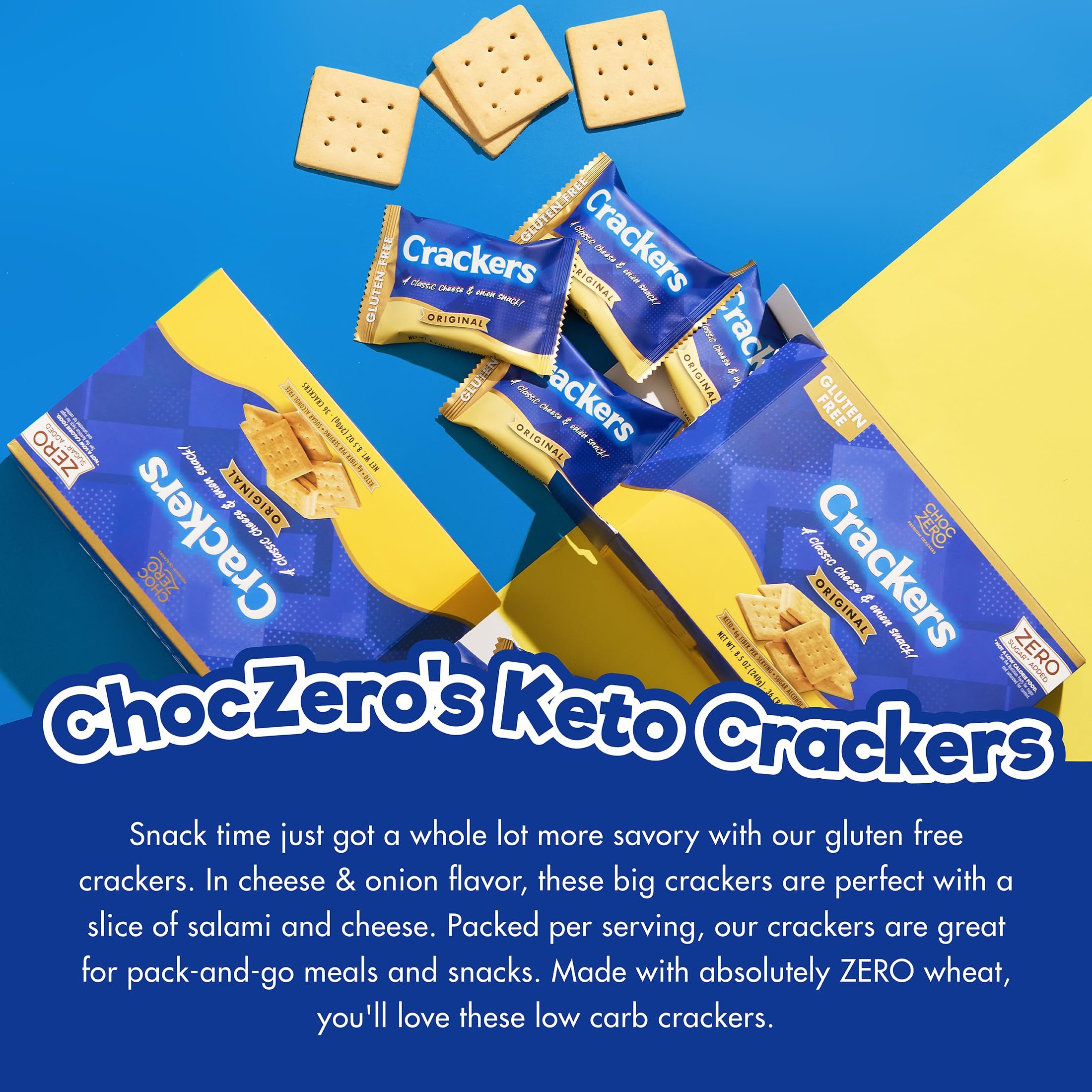
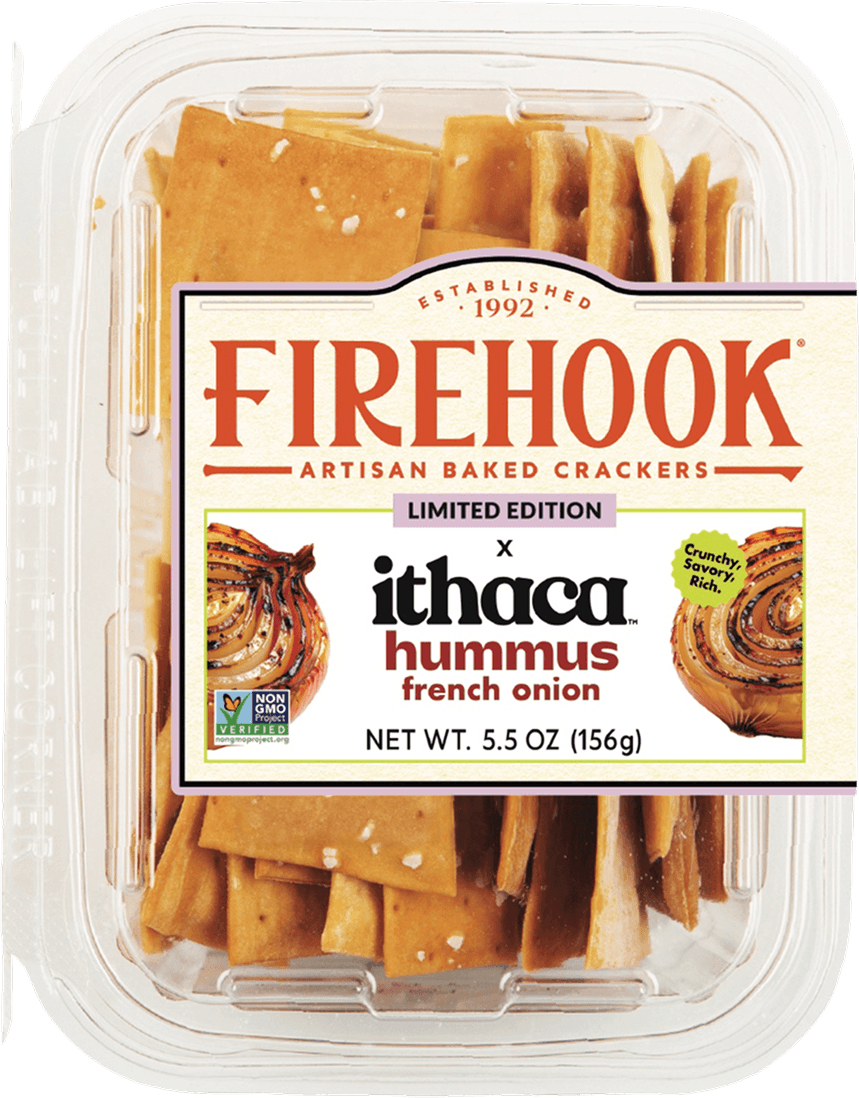


Crackers Cheese And Onion
Analysis updated September 2026 · How Scout scores
At a glance
Summary
This product contains several beneficial ingredients such as almond butter, oat fiber, and egg white, which contribute to its nutritional value by providing healthy fats, fiber, and protein. However, it also includes processed ingredients like soluble corn fiber and sunflower lecithin, which slightly detract from its overall healthiness. The product is moderately processed, which limits its score despite the presence of some high-quality components.
Key ingredients 13
Almond butterGood
Almond butter is a nutritious source of healthy fats and protein. It contains vitamins and minerals such as vitamin E and magnesium. Its natural composition supports heart health and provides a good energy source.
Risks
Potential allergen for individuals with nut allergies.
Benefits
Rich in monounsaturated fats and protein, supporting heart health and providing sustained energy.
Oat fiberGood
Oat fiber is a source of dietary fiber that supports digestive health. It is minimally processed and helps increase fiber content in foods. It may aid in cholesterol management and promote satiety.
Benefits
Supports digestive health and may help in managing cholesterol levels.
Onion powderGood
Onion powder is a dehydrated form of onion that retains its flavor and some nutrients. It is minimally processed and adds flavor without additional calories. It contains antioxidants that may support immune health.
Benefits
Adds flavor and contains antioxidants that may support immune health.
Egg whiteGood
Egg white is a high-quality protein source with minimal fat. It is minimally processed and provides essential amino acids. It supports muscle maintenance and repair.
Risks
Potential allergen for individuals with egg allergies.
Benefits
Excellent source of high-quality protein with essential amino acids.
Monk fruit extractGood
Monk fruit extract is a natural sweetener with zero calories. It is minimally processed and does not raise blood sugar levels. It is a suitable alternative for those managing sugar intake.
Benefits
Provides sweetness without calories and does not affect blood sugar levels.
Soluble corn fiberNeutral
Soluble corn fiber is a type of resistant dextrin used to increase fiber content. It is processed to resist digestion, providing bulk without calories. It may aid in digestive health but lacks significant nutritional benefits.
Risks
Excessive consumption may cause digestive discomfort in some individuals.
Benefits
May support digestive health by increasing fiber intake.
Palm fruit oilNeutral
Palm fruit oil is a saturated fat that is stable at high temperatures. It is less processed than palm kernel oil and contains some vitamin E. Its environmental impact is a concern due to deforestation.
Risks
High in saturated fats, which may impact heart health if consumed in excess.
Benefits
Contains vitamin E and is stable for cooking at high temperatures.
Rice flourNeutral
Rice flour is a gluten-free flour alternative used in baking. It is minimally processed and provides carbohydrates. It lacks significant protein or fiber content compared to whole grains.
Risks
May contribute to high glycemic load if consumed in large quantities.
Benefits
Provides a gluten-free option for those with celiac disease or gluten sensitivity.
Potato starchNeutral
Potato starch is a refined carbohydrate used as a thickener. It is highly processed and provides little nutritional value. It is gluten-free and suitable for those with gluten intolerance.
Risks
High glycemic index may affect blood sugar levels.
Benefits
Useful as a gluten-free thickening agent in cooking.
Cheese powderNeutral
Cheese powder is a processed dairy product used for flavoring. It provides some calcium and protein but is high in sodium. It is more processed than fresh cheese and may contain additives.
Risks
High sodium content may contribute to hypertension if consumed in excess.
Benefits
Provides flavor and some calcium and protein content.
SaltNeutral
Salt is used as a seasoning and preservative. It is essential for maintaining fluid balance but should be consumed in moderation. Excessive intake can lead to hypertension.
Risks
High sodium intake may increase the risk of hypertension.
Benefits
Essential for maintaining fluid balance and nerve function.
Yeast extractBad
Concentrated glutamate source — MSG-adjacent flavor enhancer.
Risks
May cause reactions in individuals sensitive to glutamates.
Benefits
Rich in B vitamins and enhances flavor with umami notes.
Sunflower lecithinBad
Sunflower lecithin is an emulsifier used to improve texture and shelf life. It is a processed ingredient derived from sunflower oil. While it is less concerning than seed oils, it is still an additive.
Risks
May cause digestive issues in sensitive individuals.
Benefits
Improves texture and shelf life of products.
Processing
Processed Foods
Get the full breakdown in the Scout appTake Scout shopping
Scan any product to see lab results, healthy alternatives, and your personalized analysis.
Download on theApp Store GET IT ONGoogle Play