



At a glance
Summary
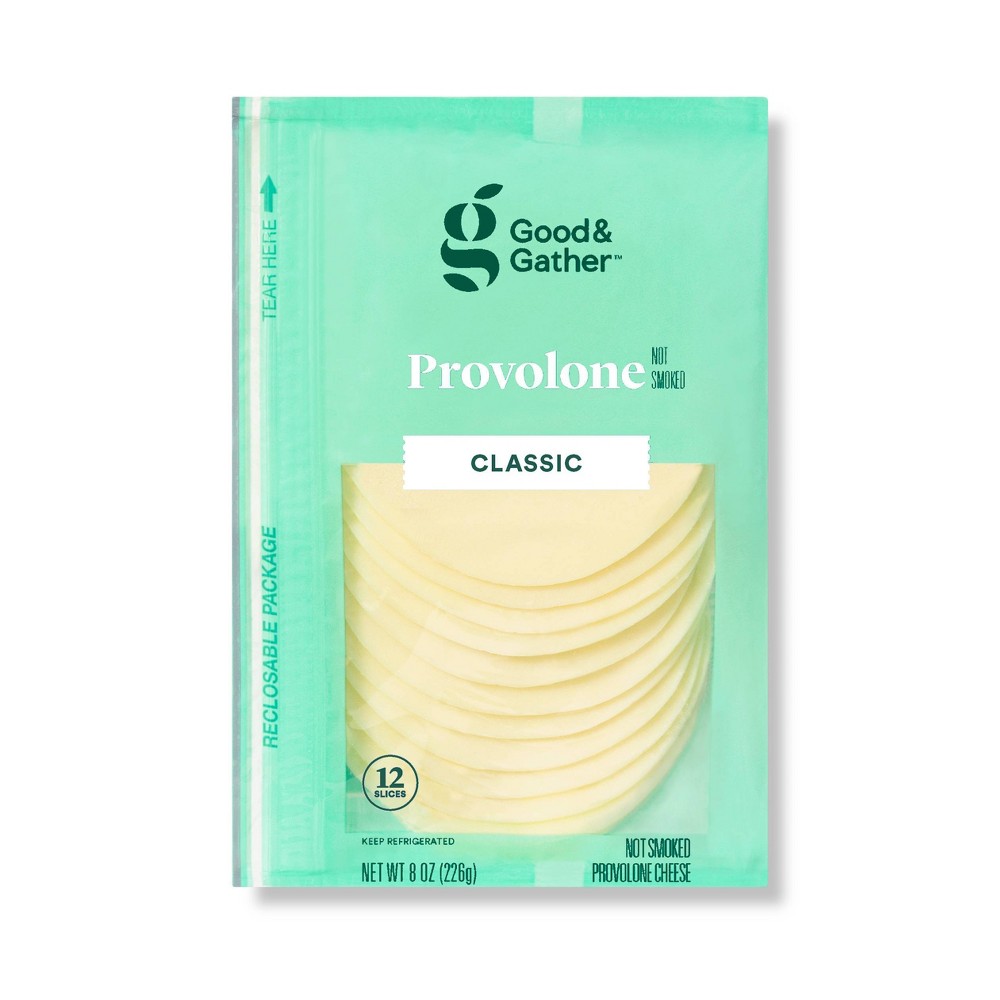
This cheese product contains beneficial ingredients like cultured pasteurized milk and enzymes, which contribute to its nutritional value and flavor. However, the presence of sodium phosphate as an emulsifier and the use of non-specific natural flavoring are concerns due to their synthetic nature and lack of transparency. The product is moderately processed, which limits its score despite having some redeeming qualities.
Key ingredients 11
Cultured Pasteurized MilkGood
Cultured pasteurized milk is a primary ingredient in cheese, providing essential nutrients like calcium and protein. The pasteurization process ensures safety by eliminating harmful bacteria. Culturing enhances flavor and digestibility.
Benefits
Rich in calcium and protein, supporting bone health and muscle maintenance.
CreamGood
Traditional whole-fat dairy ingredient.
Risks
High in saturated fats, which should be consumed in moderation.
Benefits
Adds richness and enhances the creamy texture of the cheese.
SaltNeutral
Salt is used for flavor and preservation in cheese. It is a common culinary ingredient with no significant processing concerns. However, excessive consumption can lead to health issues.
Risks
High sodium intake can contribute to hypertension and cardiovascular issues.
Benefits
Enhances flavor and acts as a preservative in cheese.
Natural Hickory Smoke FlavorNeutral
Natural hickory smoke flavor is used to impart a smoky taste to the cheese. It is derived from natural sources, avoiding artificial additives. The processing method is generally considered safe.
Benefits
Provides a distinct smoky flavor without artificial additives.
EnzymesNeutral
Standard formulation ingredient — neither beneficial nor harmful at typical use.
Benefits
Facilitates cheese production and enhances texture and flavor.
AnnattoNeutral
Annatto is a natural coloring agent derived from the seeds of the achiote tree. It is used to give cheese a yellow-orange hue. Annatto is considered safe and is a natural alternative to synthetic dyes.
Risks
In rare cases, annatto may cause allergic reactions.
Benefits
Provides natural color without synthetic additives.
WaterNeutral
Water is used in cheese production to adjust texture and consistency. It is a neutral ingredient with no significant health impact. Water content can affect the moisture level of the cheese.
Benefits
Helps achieve desired texture and consistency in cheese.
Lactic AcidNeutral
Lactic acid is a naturally occurring acid used to adjust acidity and enhance flavor. It is produced through fermentation and is generally recognized as safe. Lactic acid contributes to the tangy flavor in cheese.
Benefits
Enhances flavor and acts as a preservative.
PotassiumNeutral
Potassium is an essential mineral that supports various bodily functions. In cheese, it may be present as a natural component or added for nutritional balance. Potassium is important for maintaining electrolyte balance.
Risks
Excessive intake can lead to hyperkalemia, especially in individuals with kidney issues.
Benefits
Supports heart health and muscle function.
Natural FlavoringBad
Natural flavoring is a broad term that can include various extracts and essences. The lack of specificity can be concerning as it may include processed components. It is less transparent compared to clearly defined ingredients.
Risks
Potential for undisclosed additives or allergens.
Benefits
Enhances flavor profile without synthetic additives.
Sodium PhosphateBad
Sodium phosphate is used as an emulsifier and stabilizer in processed foods. It is a synthetic additive that can affect mineral balance in the body. Excessive consumption may lead to health concerns.
Risks
High intake may affect kidney function and calcium absorption.
Benefits
Improves texture and stability in processed cheese products.
Processing
Processed Foods
Get the full breakdown in the Scout appTake Scout shopping
Scan any product to see lab results, healthy alternatives, and your personalized analysis.
Download on theApp Store GET IT ONGoogle Play