


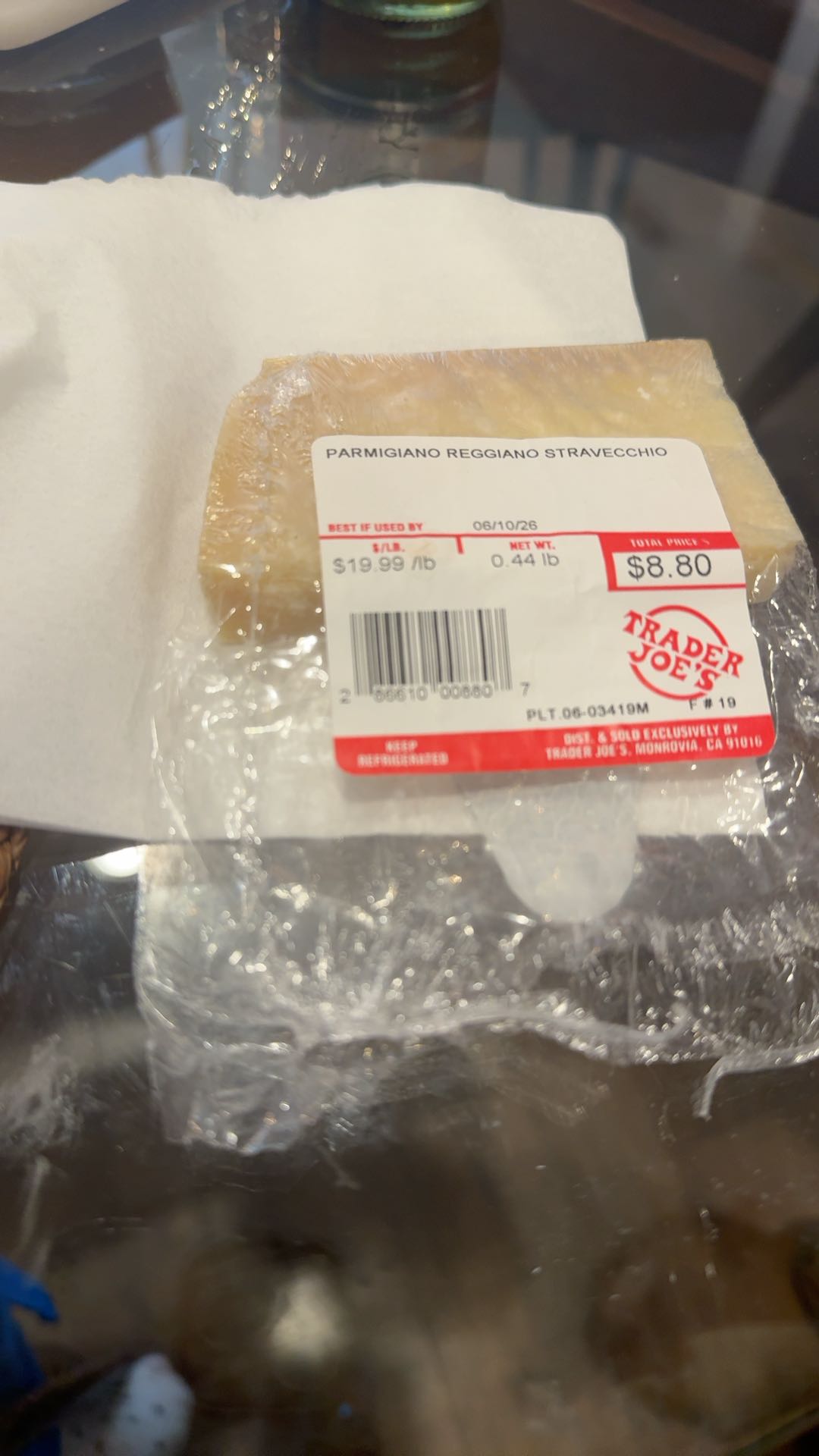


At a glance
Summary
This product is a processed cheese with a relatively clean ingredient list, primarily composed of cheddar cheese and milk derivatives. However, the presence of sodium phosphate as an emulsifier contributes to its processed nature and potential health concerns related to high sodium intake. While it lacks artificial additives, its processing level limits its score compared to more traditional, minimally processed cheeses.
Key ingredients 11
Cheddar cheeseGood
Cheddar cheese is a traditional dairy product rich in protein and calcium. It is made from cultured milk, salt, and enzymes, providing essential nutrients. The fermentation process enhances its digestibility and flavor.
Risks
Contains lactose, which may cause digestive issues for lactose-intolerant individuals.
Benefits
Provides high-quality protein and calcium, supporting bone health and muscle maintenance.
Cultured milkGood
Cultured milk is fermented with beneficial bacteria, enhancing its probiotic content. This process improves gut health and nutrient absorption. It is a source of high-quality protein and essential vitamins.
Risks
May cause allergic reactions in individuals with milk allergies.
Benefits
Supports digestive health through probiotics and provides essential nutrients like calcium and vitamin D.
MilkfatGood
Milkfat is a natural source of energy and fat-soluble vitamins. It contributes to the creamy texture and rich flavor of cheese. Contains beneficial fatty acids that support health.
Risks
High intake of saturated fats may increase cholesterol levels.
Benefits
Provides essential fatty acids and vitamins A, D, E, and K, supporting overall health.
MilkGood
Whole dairy ingredient.
Risks
May cause allergic reactions or lactose intolerance symptoms in sensitive individuals.
Benefits
Rich in protein and calcium, supporting bone health and muscle function.
Milk protein concentrateGood
Beneficial ingredient — whole-food or functional value in this product class.
Risks
May cause digestive issues in lactose-intolerant individuals.
Benefits
Provides a concentrated source of high-quality protein, supporting muscle maintenance.
SaltNeutral
Salt is used as a preservative and flavor enhancer in cheese. It is a necessary component for the cheese-making process. However, excessive consumption can lead to health issues like hypertension.
Risks
High sodium intake can increase the risk of hypertension and cardiovascular diseases.
Benefits
Essential for maintaining fluid balance and nerve function in the body.
EnzymesNeutral
Enzymes are used in cheese production to aid in the coagulation of milk. They are crucial for developing the texture and flavor of cheese. Typically derived from microbial or animal sources.
Benefits
Facilitates the cheese-making process, contributing to the development of flavor and texture.
Skim milkNeutral
Skim milk is milk with most of the fat removed, providing a lower-calorie option. It retains essential nutrients like protein and calcium. Often used in cheese to control fat content.
Risks
May lack the fat-soluble vitamins found in whole milk.
Benefits
Provides protein and calcium without the added calories from fat.
WheyNeutral
Whey is a byproduct of cheese production, rich in protein and amino acids. It is often used to enhance the nutritional profile of cheese. Easily digestible and supports muscle recovery.
Risks
May cause digestive discomfort in lactose-intolerant individuals.
Benefits
Excellent source of high-quality protein, supporting muscle growth and repair.
Calcium phosphateNeutral
Calcium phosphate is used as a mineral supplement in cheese, enhancing calcium content. It supports bone health and is generally recognized as safe. Commonly used in processed foods.
Risks
Excessive intake may lead to imbalances in mineral absorption.
Benefits
Enhances calcium content, supporting bone health and strength.
Sodium phosphateBad
Sodium phosphate is used as an emulsifier and stabilizer in processed cheese. It can contribute to high sodium intake, posing health risks. Often found in highly processed foods.
Risks
High sodium intake can increase the risk of hypertension and cardiovascular diseases.
Benefits
Improves texture and stability of processed cheese products.
Processing
Processed Foods
Get the full breakdown in the Scout appTake Scout shopping
Scan any product to see lab results, healthy alternatives, and your personalized analysis.
Download on theApp Store GET IT ONGoogle Play