


At a glance
Summary
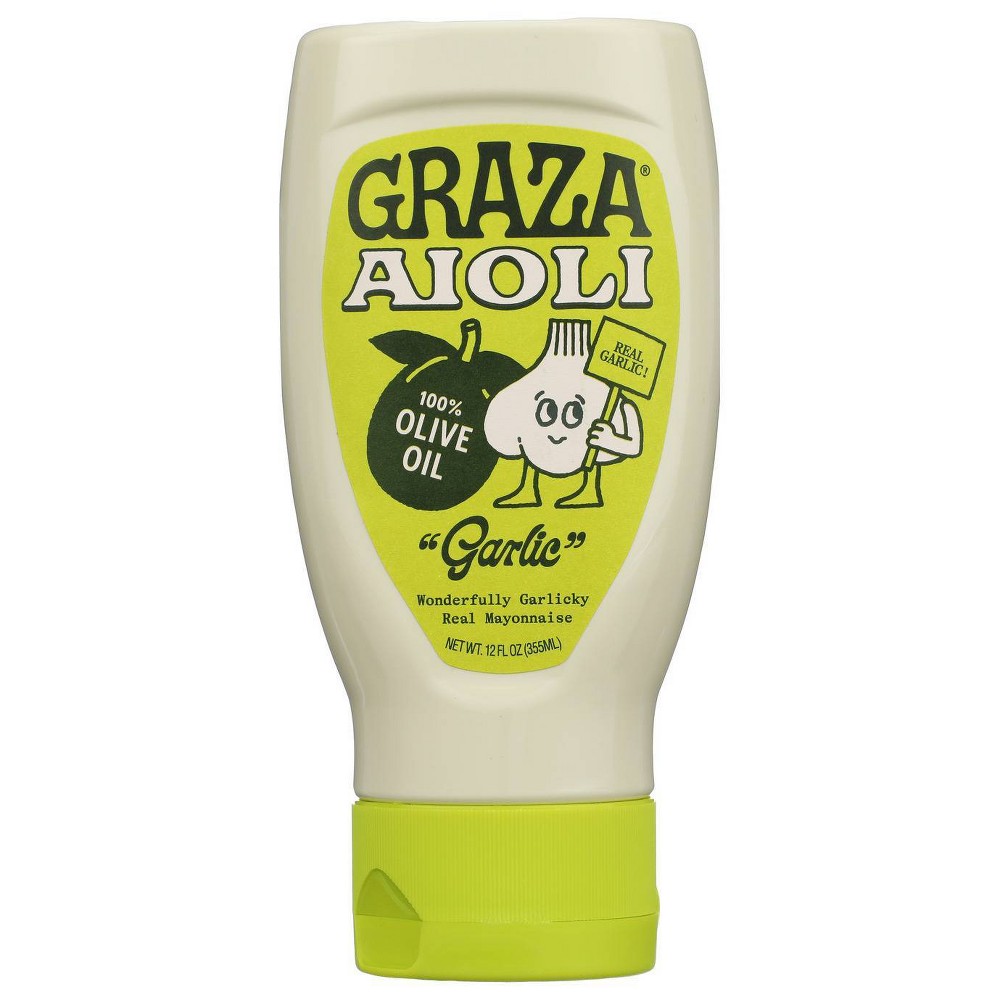
This garlic aioli contains high-quality extra virgin olive oil and egg yolks, which provide beneficial fats and nutrients. However, the presence of refined sugar and the vague 'natural flavor' ingredient, which can be highly processed, detracts from its overall healthiness. The product is moderately processed, which limits its potential score despite the inclusion of some beneficial ingredients.
Key ingredients 10
Extra virgin olive oilVery Good
High-quality monounsaturated fat with anti-inflammatory properties. Contains antioxidants that support heart health. Cold-pressed extraction preserves beneficial compounds.
Benefits
Rich in monounsaturated fats that support heart health and provide anti-inflammatory properties. Contains antioxidants like vitamin E and polyphenols that may reduce oxidative stress.
Egg yolksGood
Rich source of high-quality protein and essential nutrients like choline. Provides healthy fats and vitamins such as A, D, E, and K. Pasture-raised eggs offer higher omega-3 content.
Risks
Potential allergen for some individuals sensitive to eggs.
Benefits
Contains essential nutrients and healthy fats that support brain and eye health.
White wine vinegarGood
Provides acidity and flavor enhancement in culinary applications. Contains acetic acid which may aid in digestion and blood sugar control. Made from fermented white wine, retaining some beneficial compounds.
Benefits
May aid digestion and help control blood sugar levels due to acetic acid content.
GarlicGood
Known for its potential health benefits, including antimicrobial and anti-inflammatory properties. Contains allicin, which may support cardiovascular health. Used as a natural flavor enhancer in cooking.
Risks
May cause digestive discomfort in some individuals when consumed in large amounts.
Benefits
Supports cardiovascular health and has antimicrobial properties due to allicin content.
WaterNeutral
Used as a solvent and to adjust consistency in food products. It is a neutral ingredient with no direct nutritional impact. Commonly used in food processing without health concerns.
See more about Water →SaltNeutral
Common seasoning used to enhance flavor in foods. Provides sodium, an essential mineral for fluid balance and nerve function. Excessive intake can lead to hypertension.
Risks
High sodium intake may contribute to hypertension and cardiovascular issues.
Benefits
Essential for maintaining fluid balance and nerve function in the body.
Lemon juice from concentrateNeutral
Provides acidity and flavor to foods, often used as a natural preservative. Made by reconstituting concentrated lemon juice with water. Contains vitamin C but less than fresh lemon juice.
Benefits
Provides some vitamin C and enhances flavor with natural acidity.
Xanthan gumNeutral
Used as a thickening and stabilizing agent in food products. It is a polysaccharide produced by fermentation. Generally recognized as safe but may cause digestive issues in large amounts.
Risks
May cause digestive discomfort such as bloating or gas in sensitive individuals.
Benefits
Improves texture and stability of food products without significant nutritional impact.
SugarBad
Refined sugar contributes to empty calories and can lead to health issues like obesity and diabetes. It is highly processed and lacks nutritional benefits. Excessive consumption is linked to metabolic disorders.
Risks
High intake may increase the risk of obesity, type 2 diabetes, and heart disease.
Natural flavorBad
A catch-all term for flavoring agents derived from natural sources but often highly processed. Lacks transparency about specific ingredients used. May contain additives or allergens not disclosed on labels.
Risks
Potential allergen risk and lack of transparency about specific components.
Processing
Processed Foods
Get the full breakdown in the Scout appTake Scout shopping
Scan any product to see lab results, healthy alternatives, and your personalized analysis.
Download on theApp Store GET IT ONGoogle Play