
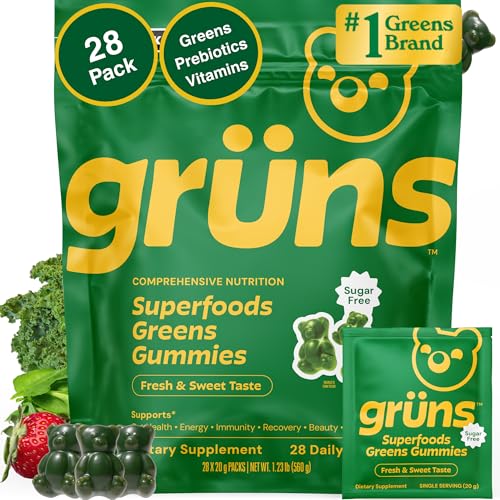
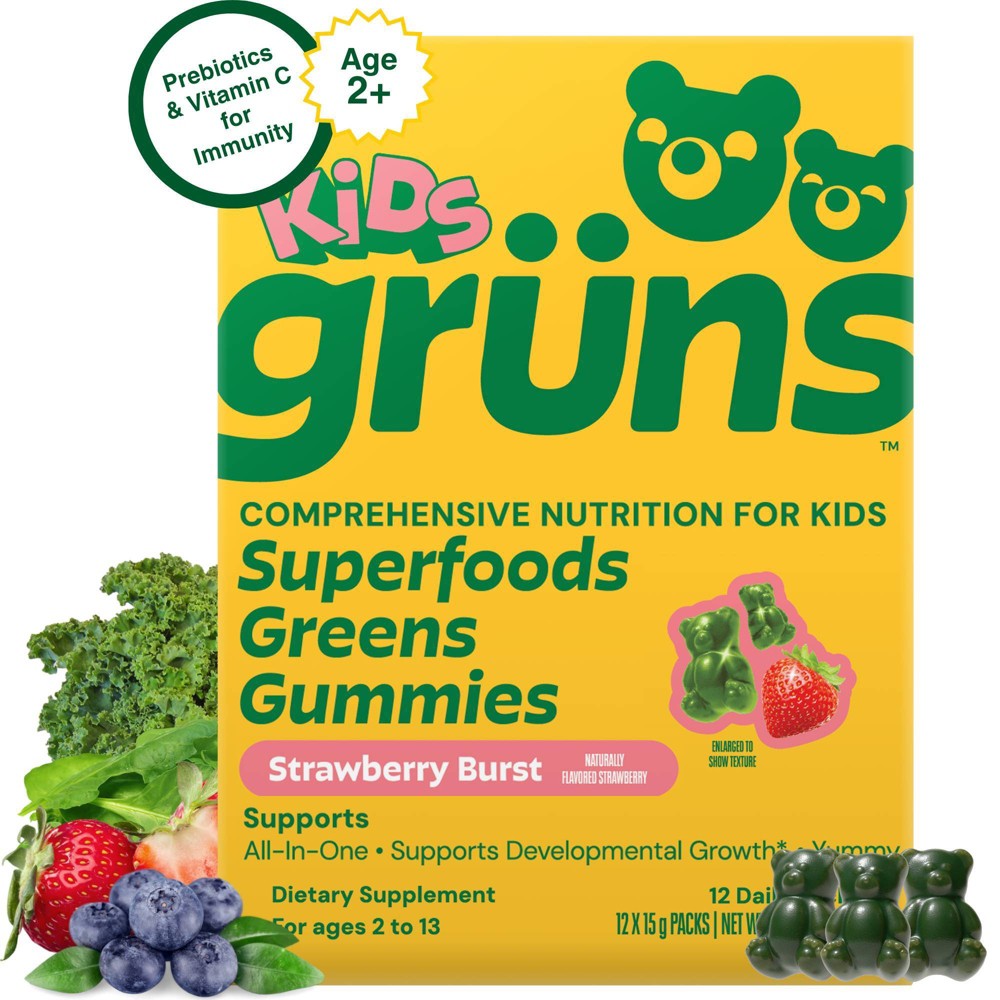
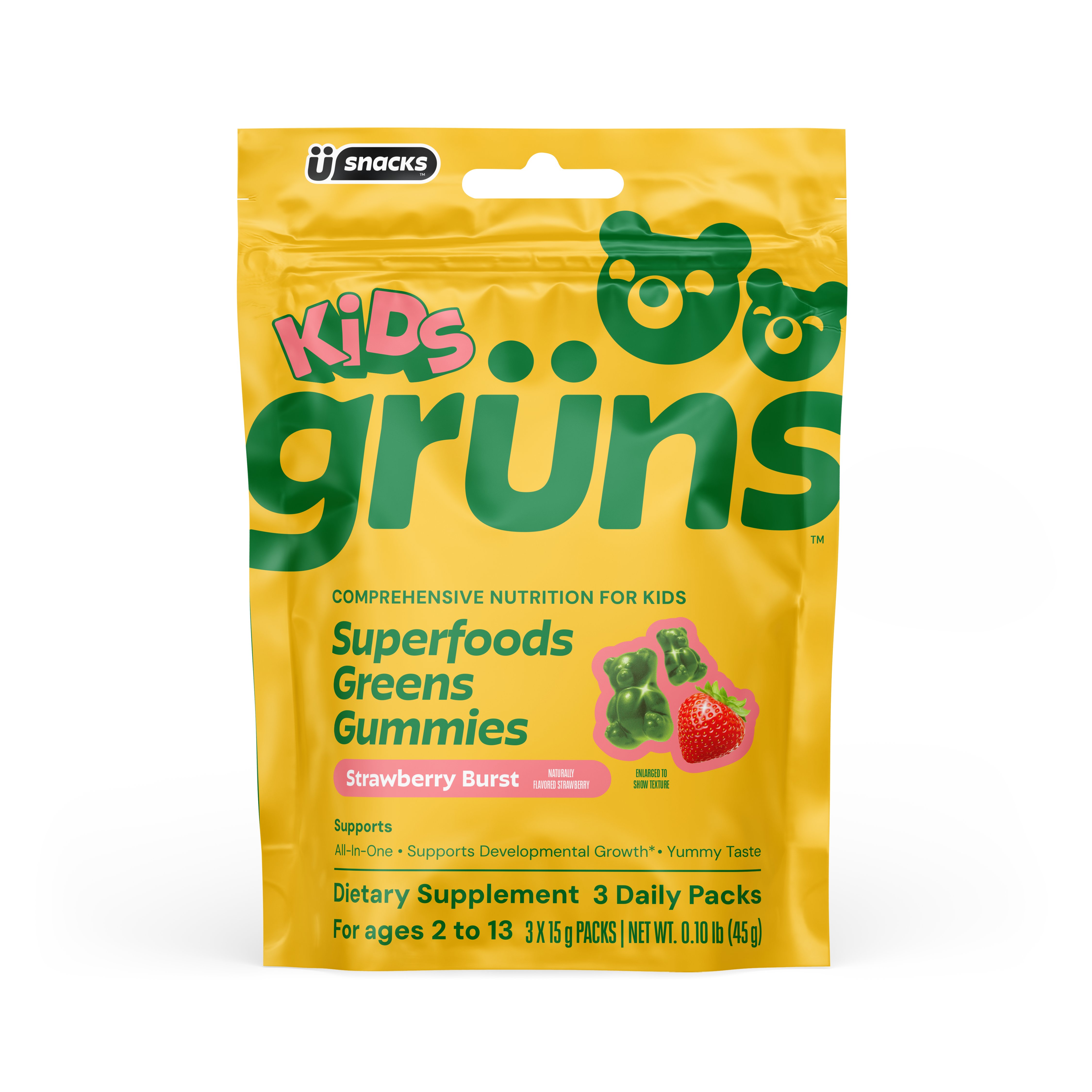
Grüns Superfoods Greens Gummies
Analysis updated June 2026 · How Scout scores
At a glance
Summary
This product contains beneficial vitamins and minerals, which contribute positively to its nutritional profile. However, it is heavily processed and contains a high amount of cane sugar, which can lead to health issues like obesity and diabetes when consumed in excess. The presence of natural flavors and the ultra-processed nature of the product further limit its healthiness.
Key ingredients 27
Vegetable JuiceGood
Vegetable juice provides natural color and nutrients from vegetables. It is minimally processed and can contribute vitamins and antioxidants. It is a healthier alternative to artificial colors.
Benefits
Provides natural color and nutrients, including vitamins and antioxidants.
Vitamin AGood
Vitamin A is essential for vision, immune function, and skin health. It is included in supplements to ensure adequate intake. It is crucial for maintaining healthy vision and immune response.
Risks
Excessive intake can lead to toxicity, causing liver damage and other health issues.
Benefits
Supports vision, immune function, and skin health.
Vitamin B6Good
Vitamin B6 is important for protein metabolism and cognitive development. It is added to supplements to support energy metabolism. It plays a role in neurotransmitter synthesis and immune function.
Risks
High doses can cause nerve damage over time.
Benefits
Supports energy metabolism and cognitive development.
Vitamin B12Good
Vitamin B12 is crucial for nerve function and red blood cell formation. It is often supplemented to prevent deficiency, especially in vegetarians. It supports energy production and neurological health.
Benefits
Essential for nerve function and red blood cell formation.
Vitamin CGood
Vitamin C is a powerful antioxidant that supports immune function and skin health. It is commonly added to supplements to boost immunity. It aids in collagen synthesis and enhances iron absorption.
Risks
High doses can cause gastrointestinal discomfort.
Benefits
Boosts immune function and supports skin health.
Vitamin D3Good
Vitamin D3 is essential for bone health and immune function. It is often added to supplements to ensure adequate levels, especially in regions with limited sunlight. It aids in calcium absorption and supports bone density.
Risks
Excessive intake can lead to toxicity, causing hypercalcemia.
Benefits
Supports bone health and immune function.
Vitamin EGood
Vitamin E is an antioxidant that protects cells from oxidative damage. It is included in supplements to support skin and immune health. It helps maintain healthy skin and eyes.
Risks
High doses may increase the risk of bleeding.
Benefits
Protects cells from oxidative damage and supports skin health.
Vitamin K2Good
Vitamin K2 is important for bone and cardiovascular health. It is included in supplements to support calcium metabolism. It helps direct calcium to bones and away from arteries.
Benefits
Supports bone and cardiovascular health.
BiotinGood
Biotin is a B-vitamin that supports hair, skin, and nail health. It is often included in beauty supplements. It plays a role in energy metabolism and fatty acid synthesis.
Benefits
Supports hair, skin, and nail health.
FolateGood
Folate is essential for DNA synthesis and cell division. It is crucial during pregnancy to prevent neural tube defects. It supports overall cellular health and red blood cell formation.
Benefits
Essential for DNA synthesis and cell division.
NiacinGood
Niacin is a B-vitamin that supports energy metabolism and cardiovascular health. It is included in supplements to maintain healthy cholesterol levels. It aids in converting food into energy.
Risks
High doses can cause flushing and liver damage.
Benefits
Supports energy metabolism and cardiovascular health.
Pantothenic AcidGood
Pantothenic acid is a B-vitamin important for energy production and hormone synthesis. It is included in supplements to support adrenal function. It helps convert carbohydrates, proteins, and fats into energy.
Benefits
Supports energy production and hormone synthesis.
Vitamin B2Good
Vitamin B2, or riboflavin, is essential for energy production and cellular function. It is included in supplements to prevent deficiency. It supports skin health and red blood cell production.
Benefits
Supports energy production and cellular function.
ThiamineGood
Thiamine is a B-vitamin that supports energy metabolism and nerve function. It is included in supplements to prevent deficiency. It plays a role in converting carbohydrates into energy.
Benefits
Supports energy metabolism and nerve function.
ChromiumGood
Chromium is a trace mineral that enhances insulin action and glucose metabolism. It is included in supplements to support blood sugar control. It may help improve insulin sensitivity.
Risks
High doses can cause kidney and liver damage.
Benefits
Enhances insulin action and supports glucose metabolism.
CopperGood
Copper is a trace mineral important for iron metabolism and neurological function. It is included in supplements to support overall health. It aids in the formation of red blood cells and collagen.
Risks
Excessive intake can lead to toxicity, causing liver damage.
Benefits
Supports iron metabolism and neurological function.
IodineGood
Iodine is essential for thyroid function and hormone production. It is included in supplements to prevent deficiency. It supports metabolic rate and energy production.
Risks
Excessive intake can lead to thyroid dysfunction.
Benefits
Essential for thyroid function and hormone production.
ManganeseGood
Manganese is a trace mineral important for bone formation and antioxidant function. It is included in supplements to support overall health. It aids in the metabolism of carbohydrates, amino acids, and cholesterol.
Risks
High doses can cause neurological issues.
Benefits
Supports bone formation and antioxidant function.
MolybdenumGood
Molybdenum is a trace mineral that acts as a cofactor for enzymes involved in detoxification. It is included in supplements to support metabolic processes. It aids in the breakdown of sulfites and purines.
Benefits
Supports enzyme function and detoxification processes.
SeleniumGood
Selenium is a trace mineral with antioxidant properties that support immune function. It is included in supplements to prevent deficiency. It plays a role in thyroid hormone metabolism and DNA synthesis.
Risks
Excessive intake can lead to selenium toxicity, causing hair loss and gastrointestinal issues.
Benefits
Supports immune function and has antioxidant properties.
ZincGood
Zinc is a trace mineral essential for immune function and wound healing. It is included in supplements to support overall health. It plays a role in DNA synthesis and cell division.
Risks
High doses can cause nausea and interfere with copper absorption.
Benefits
Supports immune function and wound healing.
IronGood
Iron is a mineral essential for oxygen transport and energy production. It is included in supplements to prevent anemia. It supports red blood cell formation and overall energy levels.
Risks
Excessive intake can lead to iron overload, causing organ damage.
Benefits
Essential for oxygen transport and energy production.
WaterNeutral
Water is a neutral ingredient used as a solvent and to provide moisture. It is essential for hydration and does not contribute calories. It is a basic component in many food products.
Benefits
Essential for hydration and supports various bodily functions.
PectinNeutral
Standard formulation ingredient — neither beneficial nor harmful at typical use.
Benefits
May improve digestive health and help lower cholesterol levels.
Citric AcidNeutral
Citric acid is a natural acid found in citrus fruits, used as a preservative and flavor enhancer. It is produced through fermentation and is generally recognized as safe. It can help preserve the freshness of food products.
Risks
Excessive consumption may cause dental erosion or gastrointestinal discomfort.
Benefits
Acts as a preservative and enhances flavor.
Cane SugarBad
Cane sugar is a refined sugar that can contribute to increased blood sugar levels. It is processed to remove impurities, resulting in a high glycemic index. Excessive consumption can lead to health issues such as obesity and diabetes.
Risks
High intake of refined sugars can lead to weight gain, insulin resistance, and increased risk of chronic diseases.
Natural FlavorsBad
Umbrella term that can hide dozens of undisclosed synthetic constituents.
Risks
Potential allergen risk due to undisclosed components.
Benefits
Enhances flavor without adding calories.
Processing
Ultra-Processed Foods
Get the full breakdown in the Scout appTake Scout shopping
Scan any product to see lab results, healthy alternatives, and your personalized analysis.
Download on theApp Store GET IT ONGoogle PlayAmazon pricing & content
Amazon price as of . Product prices and availability are accurate as of the date/time indicated and are subject to change. Any price and availability information displayed on Amazon.com at the time of purchase will apply to the purchase of this product.
CERTAIN CONTENT THAT APPEARS ON THIS SITE COMES FROM AMAZON. THIS CONTENT IS PROVIDED “AS IS” AND IS SUBJECT TO CHANGE OR REMOVAL AT ANY TIME.