



At a glance
Summary
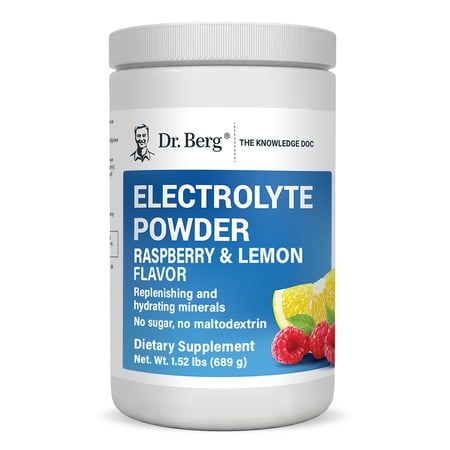
This electrolyte supplement features high-quality ingredients such as sea salt, coconut water powder, and bioavailable forms of magnesium, potassium, and calcium, which support hydration and muscle function. The use of natural flavors is a minor concern due to lack of transparency, but the absence of artificial sweeteners, dyes, and excessive additives contributes to a clean formulation. The product's minimal processing and beneficial ingredient profile make it a strong choice for hydration.
Key ingredients 9
Sea SaltGood
Sea salt is a natural source of sodium and other trace minerals. It helps maintain electrolyte balance and supports hydration. Unlike table salt, it is less processed and retains more minerals.
Risks
Excessive sodium intake can lead to high blood pressure and cardiovascular issues.
Benefits
Provides essential electrolytes necessary for muscle function and hydration.
Coconut Water PowderGood
Coconut water powder is derived from the dehydration of coconut water, retaining its natural electrolytes. It is a natural source of potassium and other minerals. This ingredient supports hydration and provides a natural alternative to synthetic electrolytes.
Benefits
Rich in potassium, which is essential for maintaining proper muscle and nerve function.
Magnesium MalateGood
Magnesium malate is a compound of magnesium and malic acid, known for its high bioavailability. It supports muscle function and energy production. This form of magnesium is often used to alleviate muscle pain and fatigue.
Risks
Excessive intake may cause gastrointestinal discomfort.
Benefits
Supports energy production and muscle relaxation.
Potassium CitrateGood
Potassium citrate is a potassium salt of citric acid, used to prevent kidney stones and maintain electrolyte balance. It is highly bioavailable and supports cardiovascular health. This ingredient is beneficial for maintaining proper cellular function.
Risks
Excessive intake can lead to hyperkalemia, a condition with elevated potassium levels.
Benefits
Helps maintain electrolyte balance and supports heart health.
Calcium CitrateGood
Calcium citrate is a calcium salt of citric acid, known for its high absorption rate. It supports bone health and is often used in supplements for its superior bioavailability compared to other calcium forms. This ingredient is beneficial for maintaining strong bones and teeth.
Risks
Excessive intake may lead to kidney stones or hypercalcemia.
Benefits
Supports bone density and overall skeletal health.
Beta CaroteneGood
Beta carotene is a natural pigment and antioxidant that the body converts into vitamin A. It supports vision and immune function. This ingredient is beneficial for its antioxidant properties and role in maintaining healthy skin.
Risks
Excessive intake can lead to carotenemia, a harmless condition causing yellowing of the skin.
Benefits
Acts as an antioxidant and supports eye health.
Citric AcidNeutral
Citric acid is commonly used as a preservative and flavor enhancer. It is naturally found in citrus fruits and is generally recognized as safe. However, it is a processed additive and does not provide nutritional benefits.
Risks
Excessive consumption may cause tooth enamel erosion.
Stevia ExtractNeutral
Stevia extract is a natural, zero-calorie sweetener derived from the stevia plant. It is used as a sugar substitute without significant health concerns. This ingredient provides sweetness without impacting blood sugar levels.
Benefits
Provides a natural alternative to sugar with no calories.
Natural FlavorsBad
Natural flavors are a catch-all term for flavoring agents derived from natural sources. They lack transparency and can include a wide range of substances. The processing and lack of disclosure can be concerning for consumers seeking clean labels.
Risks
Potential for undisclosed allergens or additives.
Processing
Processed Culinary Ingredients
Get the full breakdown in the Scout appTake Scout shopping
Scan any product to see lab results, healthy alternatives, and your personalized analysis.
Download on theApp Store GET IT ONGoogle Play