
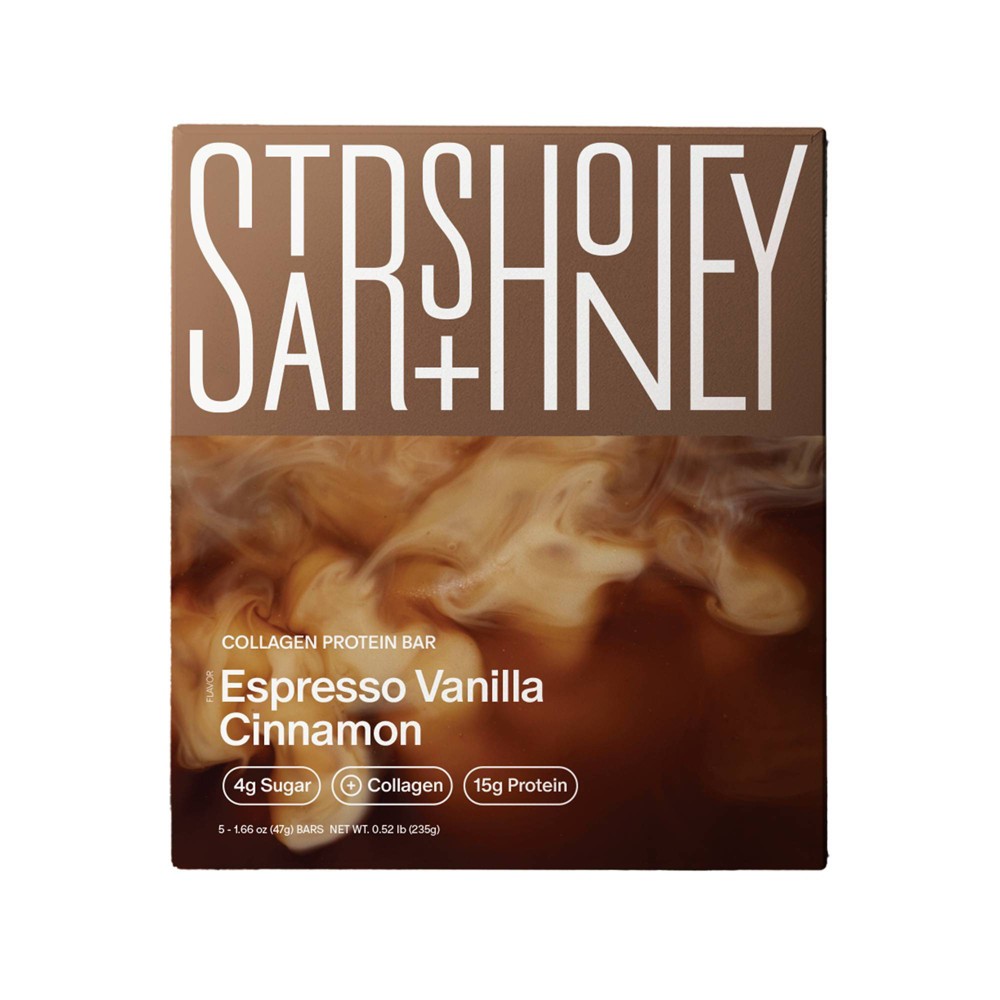


Stars + Honey Collagen Espresso Vanilla Cinnamon Protein Bars - 15g Protein - 8.3oz/5pk
Analysis updated July 2026 · How Scout scores
At a glance
Summary
This protein bar contains several beneficial ingredients such as almonds, collagen, and cacao nibs, which contribute to its nutritional profile. However, the presence of sunflower lecithin and natural flavors introduces moderate concerns due to their refined nature and lack of transparency. The product is processed, which limits its score potential despite the inclusion of healthy components.
Key ingredients 19
OatsVery Good
Oats are a whole grain rich in fiber, particularly beta-glucan, which supports heart health. They provide a source of complex carbohydrates and essential nutrients. Regular consumption is linked to reduced cholesterol levels.
Risks
Potential cross-contamination with gluten-containing grains for those with celiac disease.
Benefits
Supports heart health and provides sustained energy due to its fiber content.
AlmondsGood
Almonds are a nutrient-dense nut rich in healthy fats, protein, and fiber. They provide essential vitamins and minerals such as vitamin E and magnesium. Their consumption is associated with improved heart health and reduced inflammation.
Risks
Potential allergen for individuals with nut allergies.
Benefits
Rich in monounsaturated fats and antioxidants, supporting heart health and reducing oxidative stress.
CollagenGood
Collagen is a protein that supports skin, joint, and bone health. It is derived from animal sources and is known for its potential to improve skin elasticity and joint function. Its bioavailability is enhanced when hydrolyzed.
Benefits
Supports skin health and joint function, potentially improving elasticity and reducing joint pain.
Cacao NibsGood
Cacao nibs are minimally processed chocolate products rich in antioxidants and flavonoids. They provide a source of magnesium and iron, supporting cardiovascular health. Their bitter taste indicates a high concentration of beneficial compounds.
Benefits
Rich in antioxidants and minerals, supporting heart health and reducing inflammation.
Cocoa ButterGood
Cocoa butter is a natural fat extracted from cocoa beans, rich in healthy saturated fats. It provides a smooth texture and is a source of antioxidants. Its consumption is associated with improved skin health and reduced inflammation.
Benefits
Rich in antioxidants and healthy fats, supporting skin health and reducing inflammation.
CinnamonGood
Cinnamon is a spice known for its antioxidant and anti-inflammatory properties. It may help regulate blood sugar levels and improve insulin sensitivity. Its aromatic compounds contribute to flavor and potential health benefits.
Benefits
Supports blood sugar regulation and provides antioxidant benefits.
Sea SaltGood
Sea salt is a minimally processed salt that contains trace minerals. It is used to enhance flavor and provide essential sodium. Its mineral content can support electrolyte balance.
Risks
Excessive consumption can contribute to high blood pressure.
Benefits
Provides essential sodium and trace minerals, supporting electrolyte balance.
Rosemary ExtractGood
Rosemary extract is a natural antioxidant used to preserve freshness and prevent oxidation. It contains compounds like rosmarinic acid that provide health benefits. Its use in food products helps extend shelf life naturally.
Benefits
Provides antioxidant benefits and helps preserve food freshness naturally.
Vitamin EGood
Vitamin E is a fat-soluble antioxidant that protects cells from oxidative damage. It is essential for immune function and skin health. Its inclusion in food products helps enhance nutritional value.
Benefits
Supports immune function and skin health due to its antioxidant properties.
Vitamin CGood
Vitamin C is a water-soluble vitamin essential for collagen synthesis and immune function. It acts as an antioxidant, protecting cells from damage. Its inclusion in food products enhances nutritional value and supports overall health.
Benefits
Supports immune function and collagen synthesis, providing antioxidant protection.
Pea ProteinNeutral
Pea protein is a plant-based protein source that provides a good amino acid profile. It is less allergenic compared to soy and dairy proteins. However, it may not be as bioavailable as animal-based proteins.
Benefits
Offers a plant-based protein option suitable for vegans and those with dairy allergies.
AlluloseNeutral
Standard formulation ingredient — neither beneficial nor harmful at typical use.
Risks
May cause digestive issues like bloating or diarrhea if consumed in large amounts.
Benefits
Provides sweetness with minimal impact on blood sugar levels, making it suitable for low-carb diets.
Tapioca FiberNeutral
Tapioca fiber is a soluble fiber derived from cassava root. It aids in digestion and can help maintain stable blood sugar levels. It is often used as a bulking agent in food products.
Benefits
Supports digestive health and may help in maintaining stable blood sugar levels.
Coconut SugarNeutral
Coconut sugar is a natural sweetener derived from the sap of coconut palm. It contains trace amounts of nutrients and has a lower glycemic index than regular sugar. However, it is still a form of sugar and should be consumed in moderation.
Risks
Excessive consumption can contribute to increased blood sugar levels.
Benefits
Provides a natural sweetening option with a lower glycemic index compared to refined sugar.
Oat FiberNeutral
Oat fiber is a source of insoluble fiber that aids in digestion and adds bulk to stool. It is derived from the outer husk of oats and is used to increase fiber content in foods. It does not provide significant nutritional value beyond fiber.
Benefits
Supports digestive health by adding bulk to stool and aiding regularity.
Monk FruitNeutral
Monk fruit is a natural sweetener that provides sweetness without calories. It is derived from the monk fruit and contains mogrosides, which are responsible for its sweetness. It is generally recognized as safe with no significant health concerns.
Benefits
Offers a calorie-free sweetening option suitable for low-carb and diabetic diets.
CoffeeNeutral
Coffee is a natural source of caffeine and antioxidants. It can enhance alertness and provide a rich flavor profile. However, its caffeine content may not be suitable for everyone.
Risks
Excessive caffeine consumption can lead to jitteriness and sleep disturbances.
Benefits
Provides antioxidants and can enhance alertness and cognitive function.
Sunflower LecithinBad
Sunflower lecithin is an emulsifier used to improve texture and shelf life. It is less processed than soy lecithin but still considered a refined additive. It does not provide significant nutritional benefits.
Risks
May cause mild digestive issues in sensitive individuals.
Benefits
Helps improve texture and consistency in food products.
Natural FlavorsBad
Natural flavors are additives used to enhance taste, but their exact composition is often undisclosed. They can contain a variety of chemical compounds derived from natural sources. Their lack of transparency and potential for allergenic compounds is a concern.
Risks
Potential allergenic compounds and lack of transparency in ingredient composition.
Processing
Processed Foods
Get the full breakdown in the Scout appTake Scout shopping
Scan any product to see lab results, healthy alternatives, and your personalized analysis.
Download on theApp Store GET IT ONGoogle PlayAmazon pricing & content
Amazon price as of . Product prices and availability are accurate as of the date/time indicated and are subject to change. Any price and availability information displayed on Amazon.com at the time of purchase will apply to the purchase of this product.
CERTAIN CONTENT THAT APPEARS ON THIS SITE COMES FROM AMAZON. THIS CONTENT IS PROVIDED “AS IS” AND IS SUBJECT TO CHANGE OR REMOVAL AT ANY TIME.