



At a glance
Summary
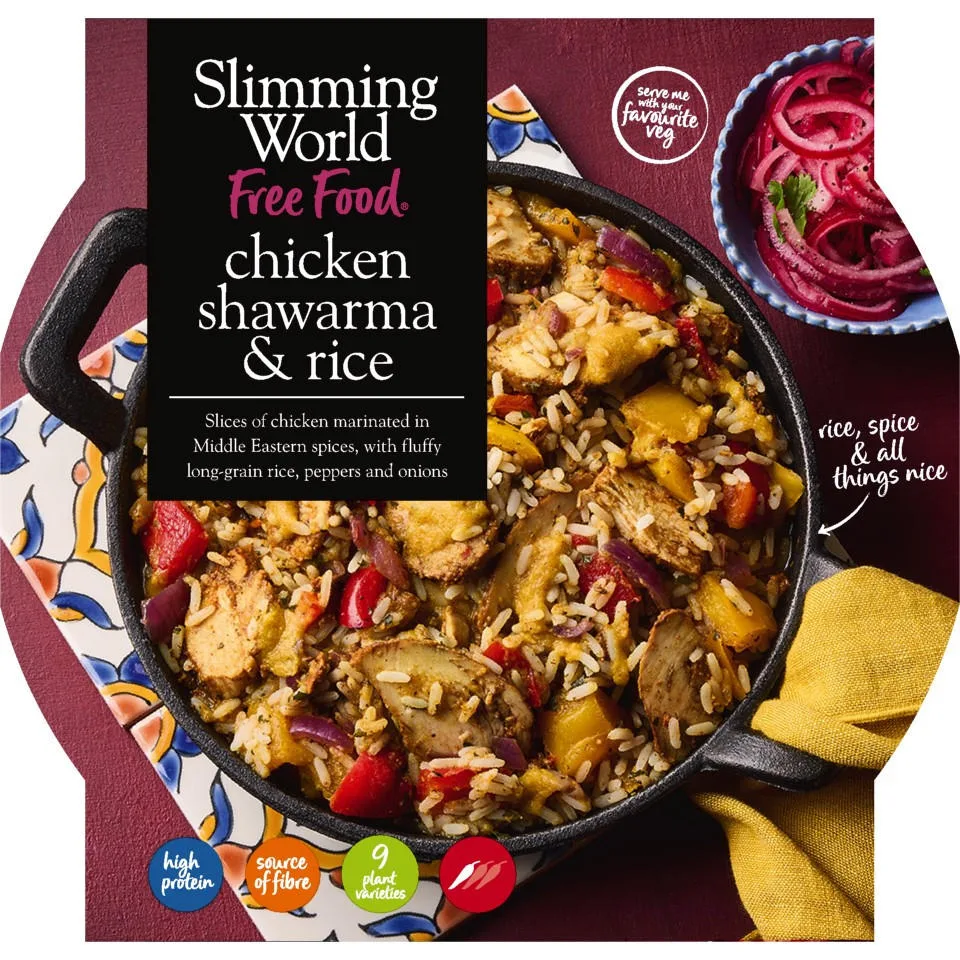
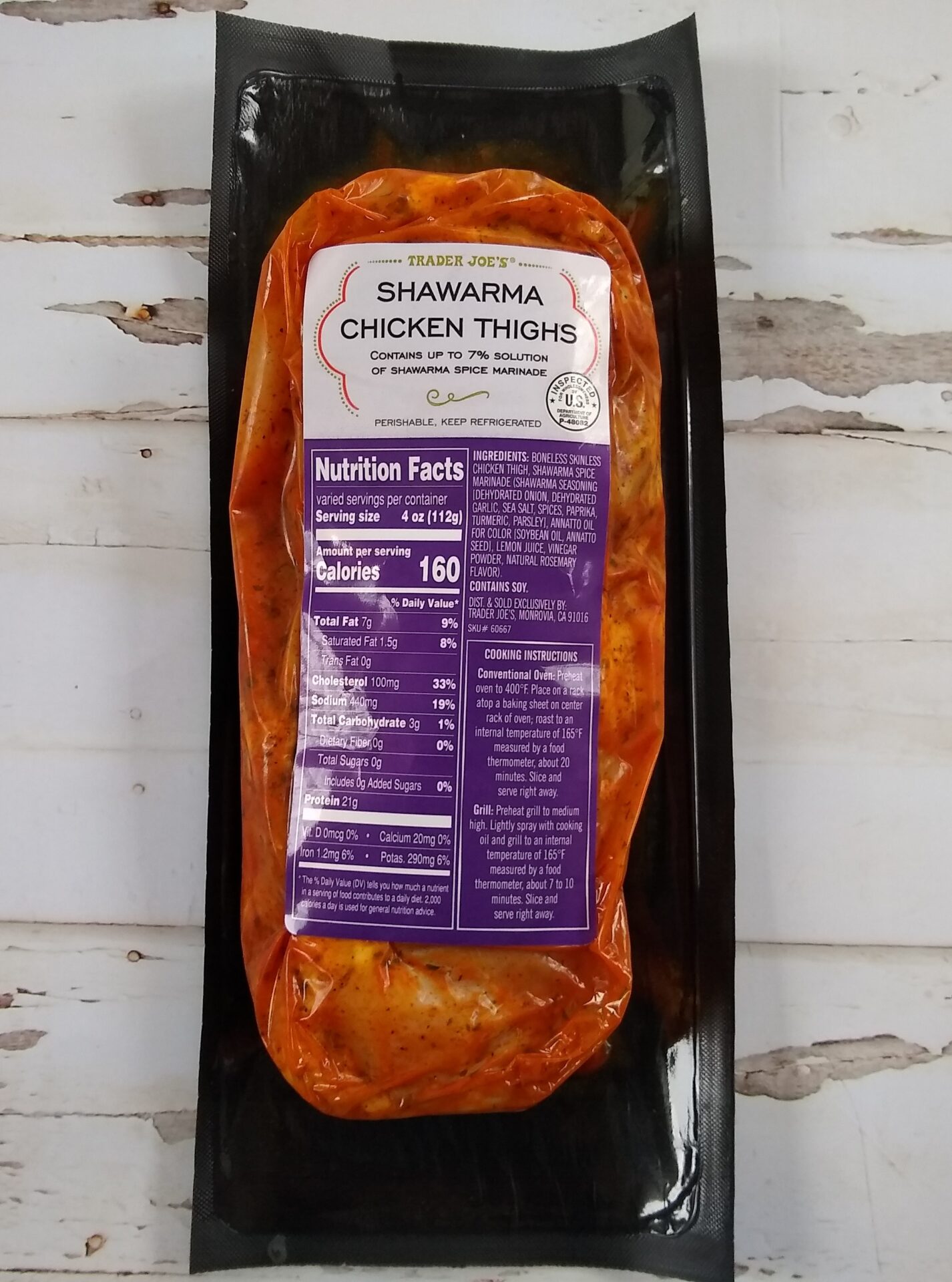
The Chicken Shawarma Slices contain high-quality ingredients like white meat chicken and olive oil, which are beneficial for health. However, the presence of sodium phosphates indicates a higher level of processing, which affects the overall score. Despite the use of natural spices and minimal additives, the processing level limits the potential score.
Key ingredients 13
Olive oilVery Good
Olive oil is rich in monounsaturated fats, which are beneficial for heart health. It contains antioxidants that help reduce inflammation and oxidative stress. Cold-pressed extraction preserves its beneficial compounds.
Benefits
Supports heart health and provides anti-inflammatory properties. Contains antioxidants like vitamin E and polyphenols.
White meat chickenGood
White meat chicken is a high-quality source of protein with a complete amino acid profile. It is low in fat and provides essential nutrients like B vitamins and selenium. Compared to red meat, it is lower in saturated fat, making it a healthier protein choice.
Benefits
Provides high-quality protein essential for muscle maintenance and repair. Contains important nutrients such as B vitamins and selenium.
Red pepperGood
Red pepper adds flavor and contains capsaicin, which may have metabolism-boosting properties. It is a natural ingredient with minimal processing. Provides a source of vitamins A and C.
Risks
May cause irritation or discomfort in individuals sensitive to spicy foods.
Benefits
Contains capsaicin, which may aid in metabolism and provide anti-inflammatory benefits.
OnionGood
Onions are a natural source of antioxidants and have anti-inflammatory properties. They contain quercetin, which may support heart health. Onions are minimally processed and add flavor and nutrients.
Benefits
Rich in antioxidants and may support heart health due to quercetin content.
GarlicGood
Garlic is known for its potential cardiovascular benefits and immune-boosting properties. It contains allicin, which has antimicrobial effects. Used in its natural form, it enhances flavor and nutrition.
Risks
May cause digestive discomfort in some individuals when consumed in large amounts.
Benefits
Supports cardiovascular health and has antimicrobial properties due to allicin.
CuminGood
Cumin is a spice that adds flavor and has antioxidant properties. It may aid digestion and support immune function. Used in its natural form, it is minimally processed.
Benefits
Provides antioxidants and may aid in digestion and immune support.
CorianderGood
Coriander is a spice with potential digestive and anti-inflammatory benefits. It is rich in antioxidants and adds flavor to dishes. Minimally processed, it retains its natural properties.
Benefits
Rich in antioxidants and may support digestion and reduce inflammation.
Black pepperGood
Black pepper enhances flavor and contains piperine, which may improve nutrient absorption. It has antioxidant properties and is minimally processed. Used in small amounts, it contributes to overall flavor and health benefits.
Benefits
May enhance nutrient absorption and provides antioxidant benefits.
TurmericGood
Turmeric contains curcumin, known for its anti-inflammatory and antioxidant properties. It is a natural spice that supports joint health and overall well-being. Minimally processed, it retains its beneficial compounds.
Benefits
Supports joint health and provides anti-inflammatory and antioxidant benefits.
CinnamonGood
Cinnamon is a spice with antioxidant properties and may help regulate blood sugar levels. It is minimally processed and adds flavor and health benefits. Known for its potential to support metabolic health.
Benefits
May help regulate blood sugar and provides antioxidant benefits.
SaltNeutral
Salt is used to enhance flavor and preserve food. It is a necessary nutrient but should be consumed in moderation to avoid health issues like hypertension. In processed foods, it can contribute to excessive sodium intake.
Risks
Excessive consumption can lead to high blood pressure and cardiovascular issues.
Benefits
Essential for maintaining fluid balance and nerve function in the body.
Sodium phosphatesBad
Sodium phosphates are used as preservatives and emulsifiers in processed foods. They can contribute to excessive phosphorus intake, which may affect kidney health. Their presence indicates a higher level of processing.
Risks
Excessive intake may lead to imbalances in phosphorus levels, potentially affecting kidney function.
Wheat flourBad
Refined grain flour stripped of bran and germ.
Risks
May pose a risk for individuals with gluten intolerance or celiac disease.
Benefits
Provides carbohydrates but lacks significant nutritional benefits beyond energy.
Processing
Processed Foods
Get the full breakdown in the Scout appTake Scout shopping
Scan any product to see lab results, healthy alternatives, and your personalized analysis.
Download on theApp Store GET IT ONGoogle Play