


At a glance
Summary
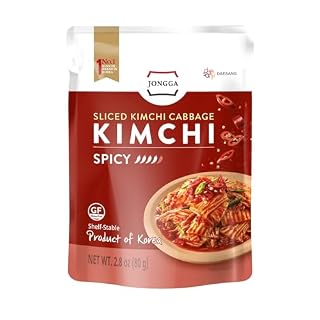
This Korean hot sauce features a blend of beneficial ingredients like gochu jang chili paste, apple cider vinegar, and garlic, which contribute to its nutritional value and potential health benefits. However, the product is processed and contains a significant amount of added sugars, which impacts its overall healthiness. Despite the presence of organic ingredients and healthy fats from sesame oil, the high sugar content and processing level limit its score.
Key ingredients 10
Gochu jang chili pasteGood
Gochu jang chili paste is a traditional Korean condiment made from fermented ingredients, which can support gut health. The fermentation process enhances flavor complexity and may provide beneficial probiotics. It is a natural source of capsaicin, which may have metabolism-boosting properties.
Benefits
Contains capsaicin, which may boost metabolism and provide anti-inflammatory benefits. Fermentation may support gut health through probiotics.
Apple cider vinegarGood
Apple cider vinegar is known for its potential health benefits, including aiding digestion and supporting blood sugar regulation. It is made through fermentation, which can enhance its probiotic content. Organic varieties are preferred for their purity and lack of synthetic additives.
Risks
Excessive consumption may lead to tooth enamel erosion and digestive discomfort.
Benefits
May aid in digestion and help regulate blood sugar levels. Contains acetic acid, which has antimicrobial properties.
GarlicGood
Garlic is a nutrient-rich ingredient known for its potential cardiovascular benefits and immune-boosting properties. It contains allicin, which has been studied for its antimicrobial and anti-inflammatory effects. Organic garlic is preferred for its higher nutrient content and absence of pesticides.
Benefits
Rich in allicin, which may support heart health and boost the immune system. Provides antioxidants that can reduce oxidative stress.
Sesame oilGood
Sesame oil is a source of healthy fats and antioxidants, contributing to heart health. It contains sesamol and sesamin, which have antioxidant properties. Cold-pressed sesame oil retains more nutrients compared to refined versions.
Risks
Allergic reactions may occur in individuals with sesame allergies.
Benefits
Contains healthy fats and antioxidants that support cardiovascular health. Provides sesamol and sesamin, which have anti-inflammatory properties.
Sesame seedGood
Sesame seeds are a good source of healthy fats, protein, and minerals like calcium and magnesium. They contain lignans, which have antioxidant and anti-inflammatory properties. Organic sesame seeds are preferred for their purity and lack of pesticide residues.
Risks
Allergic reactions may occur in individuals with sesame allergies.
Benefits
Rich in healthy fats, protein, and minerals that support bone health and overall nutrition. Contains lignans that provide antioxidant benefits.
Yellow onionGood
Yellow onions are a natural source of vitamins, minerals, and antioxidants, contributing to overall health. They contain quercetin, a flavonoid with anti-inflammatory and antioxidant effects. Organic onions are preferred for their higher nutrient content and absence of synthetic chemicals.
Benefits
Provides vitamins, minerals, and antioxidants that support immune function and reduce inflammation. Contains quercetin, which may have heart health benefits.
MisoGood
Miso is a fermented soybean paste that can support gut health due to its probiotic content. It is rich in essential nutrients and provides umami flavor to dishes. Organic miso is preferred for its purity and absence of synthetic additives.
Risks
Contains sodium, which should be monitored in individuals with hypertension.
Benefits
Rich in probiotics that support gut health and provide essential nutrients. Adds umami flavor to dishes.
Sea saltGood
Sea salt is a natural source of sodium and trace minerals, contributing to electrolyte balance. It is less processed than table salt, retaining more natural minerals. Sea salt is preferred for its purity and mineral content.
Risks
Excessive sodium intake can lead to hypertension and cardiovascular issues.
Benefits
Provides essential minerals and supports electrolyte balance. Less processed than table salt, retaining more natural minerals.
Brown rice syrupNeutral
Brown rice syrup is a sweetener derived from brown rice, often used as an alternative to refined sugars. It has a lower glycemic index than some other sweeteners, but still contributes to overall sugar intake. Organic brown rice syrup is preferred for its purity and lack of synthetic additives.
Risks
Excessive consumption may contribute to increased blood sugar levels and caloric intake.
Benefits
Provides a lower glycemic index alternative to refined sugars, which may be beneficial for blood sugar management.
Cane sugarBad
Processed additive flagged under Scout's ingredient doctrine.
Risks
Excessive consumption can lead to weight gain, increased blood sugar levels, and dental issues.
Benefits
Provides a quick source of energy but should be consumed in moderation due to lack of nutritional benefits.
Processing
Processed Foods
Get the full breakdown in the Scout appTake Scout shopping
Scan any product to see lab results, healthy alternatives, and your personalized analysis.
Download on theApp Store GET IT ONGoogle Play