

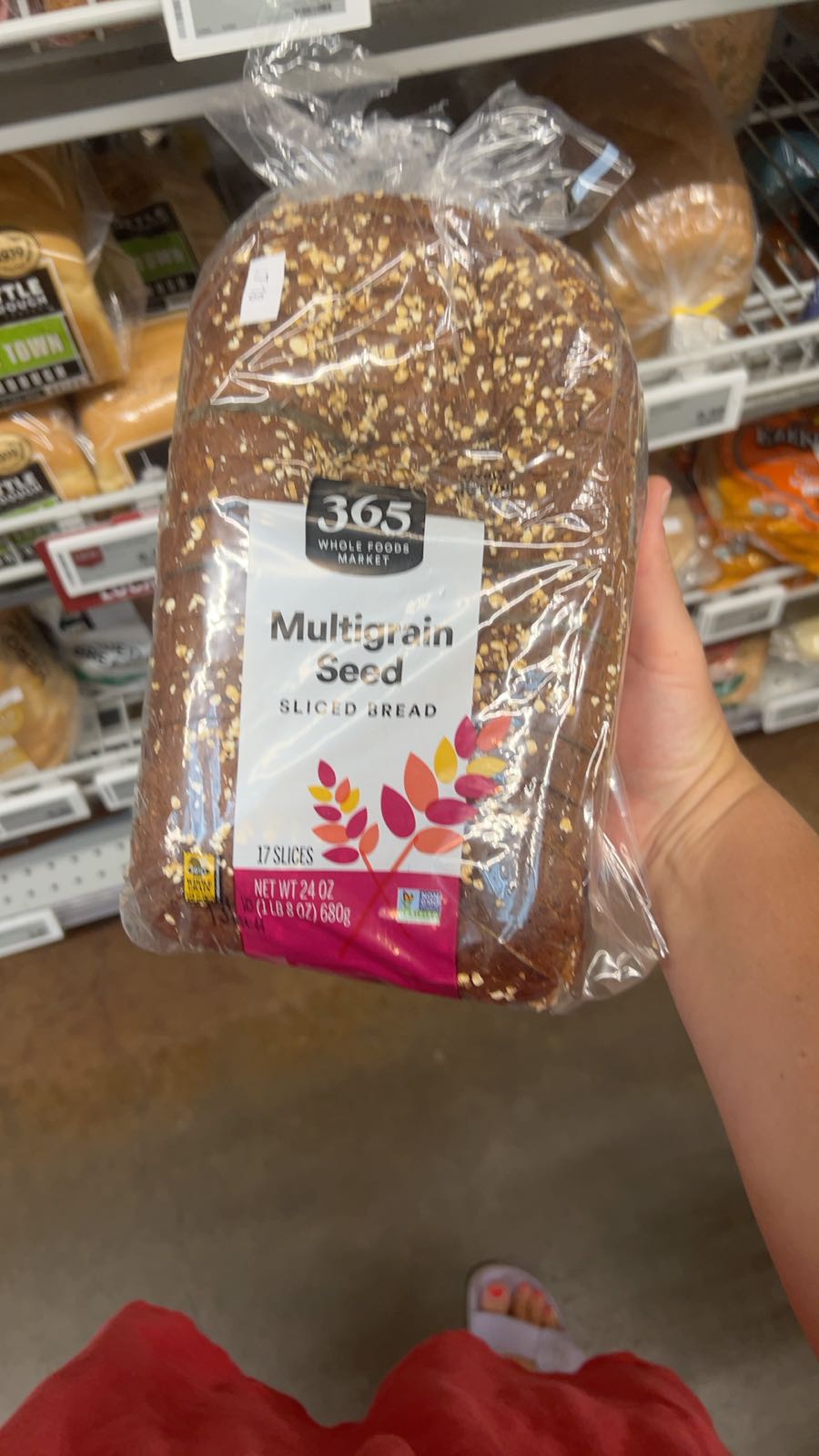


Whole Foods Market SEEDUCTION Bread
Whole Foods MarketAnalysis updated June 2026 · How Scout scores
At a glance
Summary
This bread contains several beneficial ingredients such as honey, millet, and various seeds, which contribute to its nutritional value. However, the presence of canola oil, a highly processed seed oil, and the use of enriched wheat flour as a primary ingredient indicate a higher level of processing. Despite having only one additive, the overall processing level and the inclusion of canola oil limit its healthiness.
Key ingredients 13
HoneyGood
Honey is a natural sweetener with antioxidant properties. It contains trace amounts of vitamins and minerals. Unlike refined sugars, honey has a lower glycemic index and provides some health benefits.
Risks
Excessive consumption can lead to increased calorie intake and potential blood sugar spikes.
Benefits
Contains antioxidants and has a lower glycemic index compared to refined sugars.
MilletGood
Millet is a whole grain that is rich in fiber and essential nutrients. It is gluten-free and provides a good source of magnesium and phosphorus. Its inclusion in bread can enhance nutritional value and provide health benefits.
Benefits
Rich in fiber and essential nutrients, supporting digestive health and providing essential minerals.
Sunflower seedsGood
Sunflower seeds are a nutrient-dense whole food rich in healthy fats, protein, and vitamins. They provide vitamin E and magnesium, which support heart health. Their inclusion in bread adds nutritional value and texture.
Benefits
Rich in healthy fats, protein, and essential vitamins, supporting overall health.
Poppy seedsGood
Poppy seeds are a good source of dietary fiber and essential minerals like calcium and magnesium. They add a nutty flavor and texture to baked goods. Their nutritional profile supports bone health and digestion.
Benefits
Provides dietary fiber and essential minerals, supporting bone health and digestion.
Pumpkin seedsGood
Pumpkin seeds are rich in healthy fats, protein, and essential nutrients like zinc and magnesium. They support immune function and heart health. Their inclusion in bread enhances nutritional value and provides a crunchy texture.
Benefits
Rich in healthy fats and essential nutrients, supporting immune function and heart health.
Sea saltGood
Sea salt is a minimally processed salt that contains trace minerals. It enhances flavor and provides essential sodium for bodily functions. Its natural mineral content can offer slight nutritional benefits over refined table salt.
Risks
Excessive sodium intake can lead to high blood pressure.
Benefits
Contains trace minerals and provides essential sodium for bodily functions.
Unbleached unbromated enriched wheat flourNeutral
This flour is enriched with vitamins and minerals, which can help compensate for nutrients lost during processing. It is a refined flour, which lacks the fiber and nutrients found in whole grains. The enrichment process adds back some nutrients, but it is still less nutritious than whole grain alternatives.
Risks
Refined flour can contribute to blood sugar spikes and lacks fiber.
Benefits
Enrichment adds essential nutrients like iron and B vitamins, which are beneficial for health.
WaterNeutral
Water is a fundamental ingredient in bread making, providing moisture and aiding in the mixing process. It does not contribute any calories or nutrients. It is essential for the dough's consistency and texture.
See more about Water →MolassesNeutral
Molasses is a byproduct of sugar refining, providing a rich source of minerals like iron and calcium. It adds a distinct flavor and color to baked goods. While it contains some nutrients, it is still a form of sugar and should be consumed in moderation.
Risks
Excessive consumption can contribute to high sugar intake.
Benefits
Provides minerals like iron and calcium, adding nutritional value compared to refined sugars.
Dough conditionerNeutral
Dough conditioners improve the texture and shelf life of bread. They often include natural enzymes and ascorbic acid. While they enhance product quality, they do not provide significant nutritional benefits.
Benefits
Improves texture and shelf life of bread.
YeastNeutral
Yeast is a leavening agent that helps bread rise by producing carbon dioxide. It is a natural ingredient used in baking. While it contributes to the bread's texture, it does not provide significant nutritional benefits.
Benefits
Essential for leavening and improving bread texture.
Malt flourNeutral
Malt flour is made from malted barley and adds flavor and color to baked goods. It contains enzymes that can aid in dough fermentation. While it enhances flavor, it does not provide significant nutritional benefits.
Benefits
Enhances flavor and aids in dough fermentation.
Canola oilVery Bad
Canola oil is a seed oil high in omega-6 fatty acids, which can promote inflammation when consumed in excess. It is often highly processed and refined. The extraction process can involve chemical solvents, which may raise health concerns.
Risks
High omega-6 content may promote inflammation when consumed in excess.
Processing
Ultra-Processed Foods
Get the full breakdown in the Scout appTake Scout shopping
Scan any product to see lab results, healthy alternatives, and your personalized analysis.
Download on theApp Store GET IT ONGoogle PlayAmazon pricing & content
CERTAIN CONTENT THAT APPEARS ON THIS SITE COMES FROM AMAZON. THIS CONTENT IS PROVIDED “AS IS” AND IS SUBJECT TO CHANGE OR REMOVAL AT ANY TIME.