


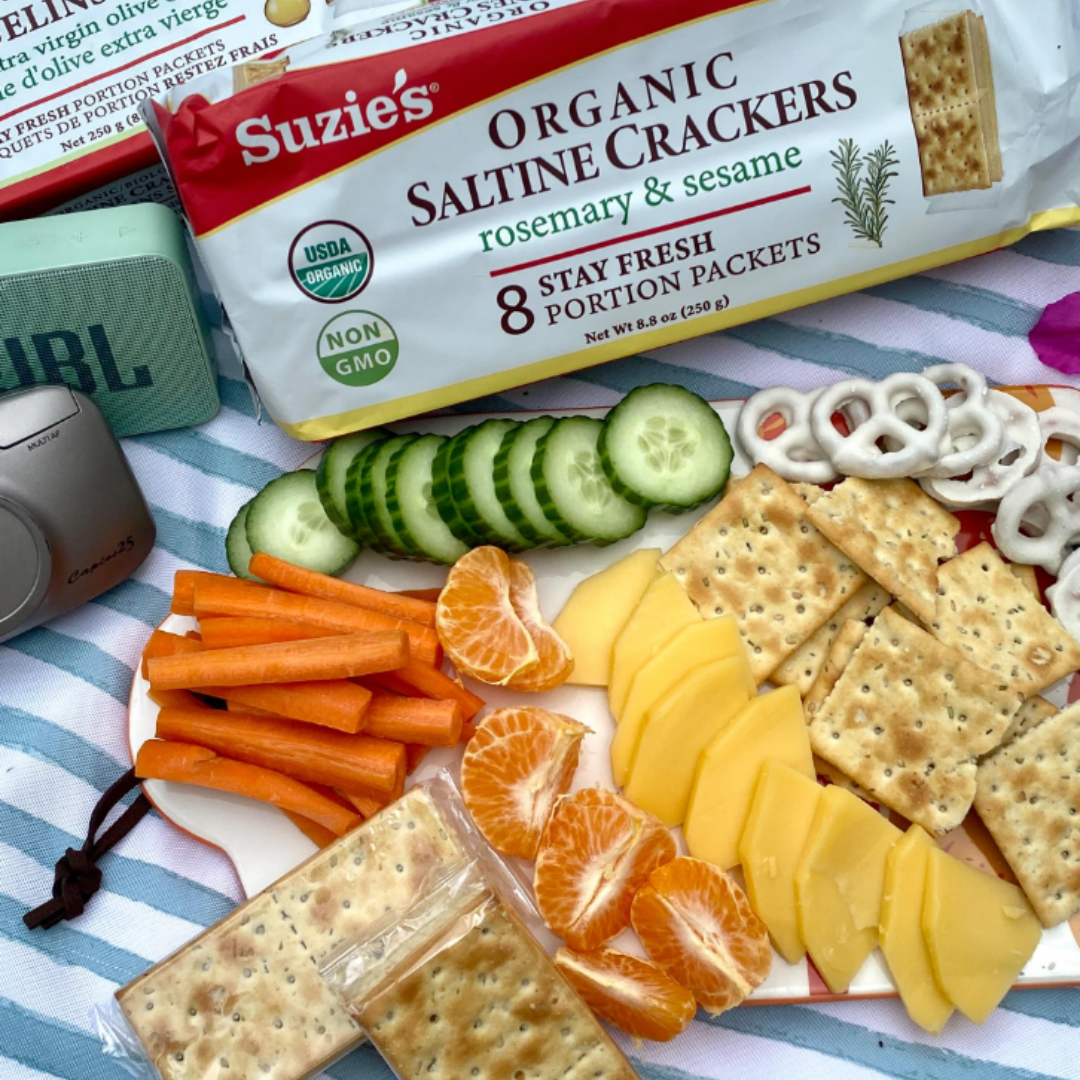


Rosemary Sea Salt Whole Wheat Baked Crackers
Analysis updated August 2026 · How Scout scores
At a glance
Summary
The product contains beneficial ingredients like whole wheat flour, rolled oats, and quinoa, which provide fiber and essential nutrients. However, the presence of 'natural flavor' and added sugar slightly detracts from its overall healthiness. While the processing level limits the score, the absence of seed oils and artificial additives is a positive aspect.
Key ingredients 11
Whole wheat flourGood
Whole wheat flour is a source of complex carbohydrates and dietary fiber. It retains the bran and germ, providing essential nutrients like B vitamins and minerals. Compared to refined flour, it offers better nutritional value and supports digestive health.
Risks
May contain gluten, which can be a concern for individuals with celiac disease or gluten sensitivity.
Benefits
Rich in dietary fiber, which aids in digestion and helps maintain stable blood sugar levels.
Rolled oatsGood
Rolled oats are a whole grain rich in dietary fiber and beta-glucans. They support heart health by helping to lower cholesterol levels. Oats also provide a good source of vitamins, minerals, and antioxidants.
Risks
May contain gluten if not certified gluten-free, which can be a concern for individuals with celiac disease or gluten sensitivity.
Benefits
Supports heart health and provides sustained energy due to its fiber content.
Rolled quinoaGood
Rolled quinoa is a whole grain that provides complete protein and essential amino acids. It is rich in fiber, vitamins, and minerals, supporting overall health. Quinoa is gluten-free and suitable for those with gluten intolerance.
Benefits
Provides complete protein and essential nutrients, supporting muscle health and energy levels.
HoneyGood
Traditional whole-food sweetener with trace enzymes and antioxidants.
Risks
High sugar content can contribute to increased calorie intake and potential blood sugar spikes.
Benefits
Contains antioxidants and may have antimicrobial properties.
CinnamonGood
Cinnamon is a spice with antioxidant and anti-inflammatory properties. It may help regulate blood sugar levels and improve insulin sensitivity. Its aromatic compounds add flavor without calories.
Risks
Excessive consumption may lead to liver toxicity due to coumarin content in some cinnamon varieties.
Benefits
May help regulate blood sugar and has antioxidant properties.
Sea saltGood
Sea salt is a natural source of sodium and trace minerals. It is less processed than table salt and retains some beneficial minerals. It enhances flavor and can support electrolyte balance.
Risks
Excessive sodium intake can lead to hypertension and cardiovascular issues.
Benefits
Provides essential minerals and supports electrolyte balance.
WaterNeutral
Water is a basic ingredient used in food processing. It acts as a solvent and helps in mixing ingredients. It does not contribute any nutritional value or health risks.
See more about Water →Reduced ironNeutral
Reduced iron is added to fortify foods with iron, an essential mineral for oxygen transport in the blood. It helps prevent iron deficiency anemia. The bioavailability of iron can vary depending on dietary factors.
Risks
Excessive iron intake can lead to toxicity, especially in individuals with hemochromatosis.
Benefits
Helps prevent iron deficiency anemia and supports overall health.
Triammonium citrateNeutral
Triammonium citrate is used as an acidity regulator and stabilizer in food products. It is generally recognized as safe when used in food processing. It does not contribute significant nutritional value.
Natural flavorBad
Natural flavors are used to enhance taste but can be derived from complex mixtures. The lack of transparency in their composition can be concerning for consumers. They may contain additives or allergens not disclosed on labels.
Risks
Potential allergens or additives may be present, posing risks for sensitive individuals.
SugarBad
Refined added sugar.
Risks
High intake can contribute to obesity, diabetes, and dental issues.
Benefits
Provides quick energy but lacks significant nutritional benefits.
Processing
Processed Foods
Get the full breakdown in the Scout appTake Scout shopping
Scan any product to see lab results, healthy alternatives, and your personalized analysis.
Download on theApp Store GET IT ONGoogle Play