



At a glance
Summary
This product contains a variety of beneficial ingredients such as red kidney beans, onions, and spices, which contribute to its nutritional value and flavor. However, the presence of safflower oil, a seed oil high in omega-6 fatty acids, is a concern due to its potential to promote inflammation. The product is moderately processed, which limits its score despite the overall clean ingredient list.
Key ingredients 15
OnionGood
Onions are a good source of vitamins, minerals, and antioxidants. They contain quercetin, which has anti-inflammatory properties. Onions can enhance flavor and provide health benefits.
Risks
May cause digestive discomfort in some individuals when consumed in large quantities.
Benefits
Rich in antioxidants and may support heart health and immune function.
Red Kidney BeanGood
Red kidney beans are high in protein and fiber, supporting digestive health and satiety. They are a good source of essential nutrients like iron and folate. Their low glycemic index helps in blood sugar management.
Risks
Must be cooked properly to avoid toxicity from lectins.
Benefits
Provides plant-based protein and essential nutrients, beneficial for heart health and blood sugar control.
Tomato PasteGood
Tomato paste is rich in lycopene, an antioxidant linked to reduced risk of chronic diseases. It is concentrated, providing more nutrients per serving. Enhances flavor and nutritional profile of dishes.
Benefits
High in antioxidants and vitamins, supporting heart health and reducing inflammation.
GingerGood
Ginger is known for its anti-inflammatory and antioxidant properties. It can aid digestion and reduce nausea. Its bioactive compounds, like gingerol, provide health benefits.
Risks
May cause heartburn or digestive upset in some individuals.
Benefits
Supports digestive health and has anti-inflammatory effects.
GarlicGood
Garlic is rich in allicin, which has antimicrobial and antioxidant properties. It may support cardiovascular health by reducing blood pressure and cholesterol levels. Enhances flavor and provides health benefits.
Risks
May cause digestive discomfort or allergic reactions in some individuals.
Benefits
Supports heart health and boosts immune function.
Sea SaltGood
Sea salt is a natural source of sodium and trace minerals. It is less processed than table salt, retaining more minerals. Enhances flavor and provides essential electrolytes.
Risks
Excessive sodium intake can lead to high blood pressure.
Benefits
Provides essential minerals and enhances flavor.
CorianderGood
Coriander is rich in antioxidants and has anti-inflammatory properties. It can aid digestion and improve heart health. Adds flavor and nutritional value to dishes.
Benefits
Supports digestive health and provides antioxidants.
CuminGood
Cumin is known for its digestive benefits and antioxidant properties. It contains compounds that may improve blood sugar control. Enhances flavor and provides health benefits.
Benefits
Supports digestion and may improve blood sugar control.
TurmericGood
Turmeric contains curcumin, a compound with strong anti-inflammatory and antioxidant effects. It may improve brain function and lower the risk of heart disease. Used traditionally for its health benefits.
Risks
High doses may cause digestive issues or interact with medications.
Benefits
Supports joint health and reduces inflammation.
Garlic PowderGood
Garlic powder retains many of the health benefits of fresh garlic, including antimicrobial and antioxidant properties. It is a convenient form for adding flavor. Supports heart health and immune function.
Risks
May cause digestive discomfort in sensitive individuals.
Benefits
Provides similar benefits to fresh garlic, supporting cardiovascular and immune health.
Cayenne PepperGood
Cayenne pepper contains capsaicin, which has metabolism-boosting and pain-relieving properties. It can enhance flavor and provide health benefits. Used in moderation, it supports metabolic health.
Risks
May cause digestive discomfort or irritation in some individuals.
Benefits
Boosts metabolism and may aid in pain relief.
WaterNeutral
Water is a neutral ingredient used as a base or solvent in many food products. It does not contribute any calories or nutrients. Its presence is essential for consistency and texture.
See more about Water →Tamarind PasteNeutral
Tamarind paste is used for its tangy flavor and is a source of vitamins and minerals. It is a natural ingredient with minimal processing. Provides flavor without significant health impacts.
Risks
May cause allergic reactions in sensitive individuals.
Benefits
Adds flavor and contains some vitamins and minerals.
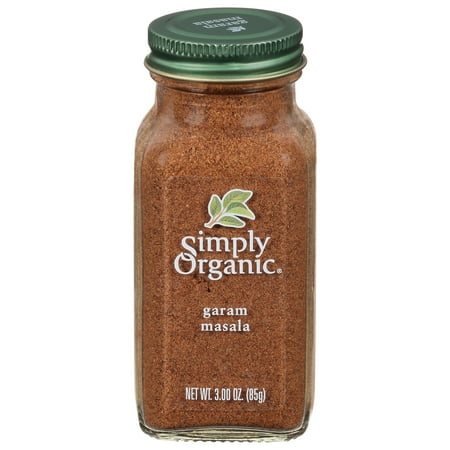
Garam MasalaNeutral
Garam masala is a spice blend that adds flavor and aroma to dishes. It is composed of various spices, each with potential health benefits. Used primarily for culinary purposes.
Benefits
Enhances flavor and may provide some antioxidant benefits.
Safflower OilVery Bad
Safflower oil is a seed oil high in omega-6 fatty acids, which can promote inflammation. It is highly processed, often involving chemical extraction. Its high omega-6 content is a concern for health when consumed in excess.
Risks
High omega-6 content may promote inflammation when consumed in excess.
Processing
Processed Foods
Get the full breakdown in the Scout appTake Scout shopping
Scan any product to see lab results, healthy alternatives, and your personalized analysis.
Download on theApp Store GET IT ONGoogle Play