
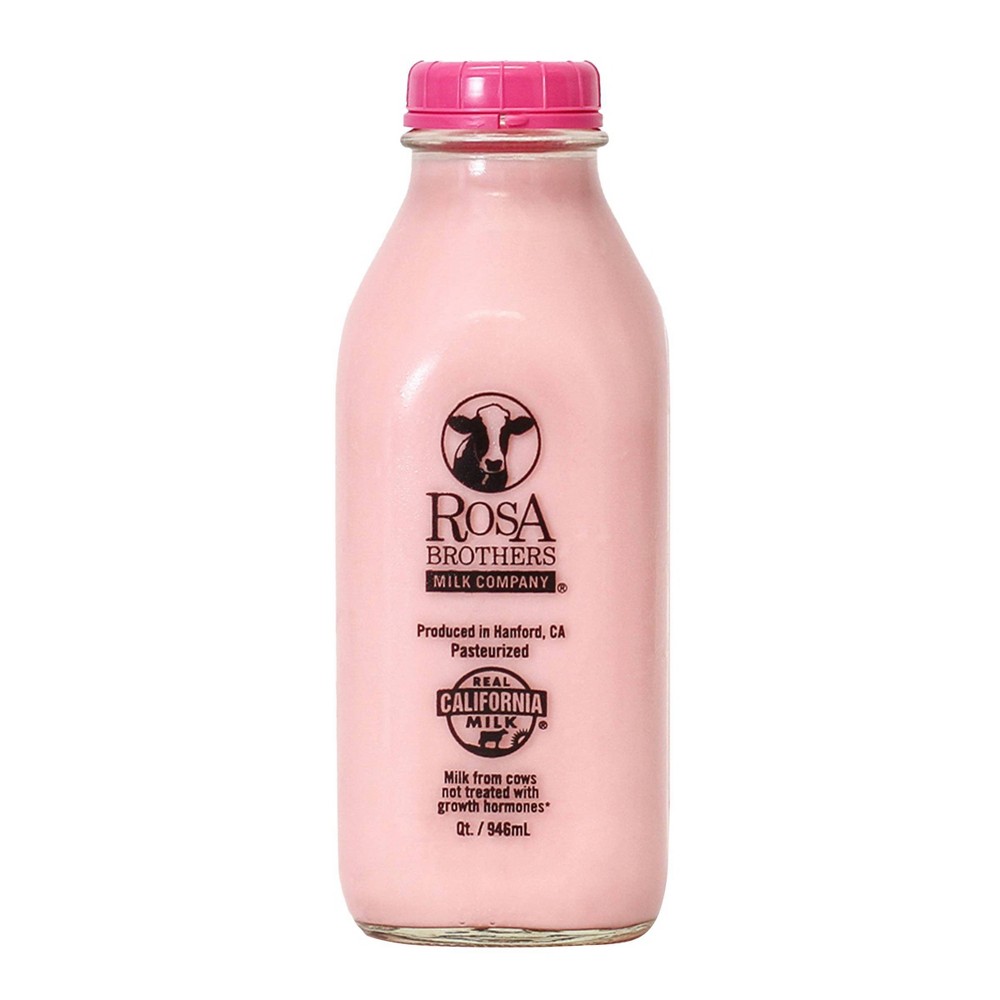


Strawberry Grade A Milk
Analysis updated July 2026 · How Scout scores
At a glance
Summary
This strawberry milk is ultra-processed, containing added sugar and carrageenan, which are linked to potential health concerns such as increased calorie intake and gastrointestinal inflammation. While it includes beneficial ingredients like whole milk and vitamin D3, the presence of natural flavors and the processing level limit its healthfulness compared to less processed dairy options.
Key ingredients 7
Whole MilkGood
Whole milk is a natural source of essential nutrients such as calcium, vitamin D, and protein, which are beneficial for bone health and muscle function. It is minimally processed compared to other dairy products, retaining its natural nutrient profile. The presence of healthy fats in whole milk can aid in the absorption of fat-soluble vitamins.
Risks
Whole milk contains saturated fats, which may contribute to heart disease if consumed in excess.
Benefits
Rich in calcium and vitamin D, supporting bone health and providing essential nutrients for overall well-being.
Beta CaroteneGood
Beneficial ingredient — whole-food or functional value in this product class.
Benefits
Contributes to natural coloring and is a precursor to vitamin A, supporting vision and immune health.
Vitamin D3Good
Vitamin D3 is added to fortify the milk, enhancing its nutritional profile by supporting bone health and immune function. It is essential for calcium absorption and maintaining healthy bones. Fortification helps address common deficiencies in populations with limited sun exposure.
Benefits
Supports bone health and immune function by enhancing calcium absorption.
Beet PowderNeutral
Beet powder is used as a natural coloring agent, providing a red hue without artificial dyes. It is derived from beets, which are a natural source of nitrates and antioxidants. However, in small quantities used for coloring, it does not contribute significantly to the nutritional profile.
Benefits
Provides natural color without artificial additives, aligning with clean label preferences.
SugarBad
Sugar is added to enhance the sweetness of the product but contributes to empty calories without providing essential nutrients. Excessive consumption of added sugars is linked to various health issues, including obesity and metabolic syndrome. In beverages, added sugar can lead to increased calorie intake without satiety.
Risks
High intake of added sugars can lead to weight gain, increased risk of type 2 diabetes, and dental cavities.
Natural FlavorsBad
Natural flavors are used to enhance the taste of the product but can be a catch-all term for a variety of chemical compounds. The lack of transparency in their composition makes it difficult to assess their health impact. They are often highly processed, which may not align with clean eating principles.
Risks
Potential allergens and unknown chemical compounds may pose health risks for sensitive individuals.
CarrageenanBad
Carrageenan is used as a thickening and stabilizing agent in dairy products. It is derived from red seaweed but has been associated with gastrointestinal inflammation in some studies. Its use in processed foods is controversial due to potential digestive issues.
Risks
May cause digestive discomfort and inflammation in sensitive individuals.
Processing
Ultra-Processed Foods
Get the full breakdown in the Scout appTake Scout shopping
Scan any product to see lab results, healthy alternatives, and your personalized analysis.
Download on theApp Store GET IT ONGoogle PlayAmazon pricing & content
Amazon price as of . Product prices and availability are accurate as of the date/time indicated and are subject to change. Any price and availability information displayed on Amazon.com at the time of purchase will apply to the purchase of this product.
CERTAIN CONTENT THAT APPEARS ON THIS SITE COMES FROM AMAZON. THIS CONTENT IS PROVIDED “AS IS” AND IS SUBJECT TO CHANGE OR REMOVAL AT ANY TIME.