
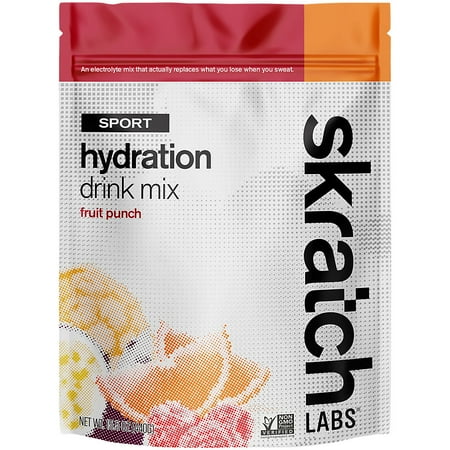


Skratch Labs Hydration Sport Drink Mix - Fruit Punch (15.5 Oz. / 20 Servings)
Analysis updated August 2026 · How Scout scores
At a glance
Summary
This hydration drink mix contains beneficial ingredients such as magnesium lactate, calcium citrate, and various fruit juices that provide essential nutrients and antioxidants. However, the presence of cane sugar as a primary ingredient introduces added sugars, which can contribute to excessive calorie intake and potential health issues. The product is moderately processed, which limits its score despite the presence of natural and beneficial components.
Key ingredients 14
Sodium CitrateGood
Beneficial ingredient — whole-food or functional value in this product class.
Risks
Excessive intake may lead to an imbalance in electrolyte levels.
Benefits
Supports hydration and electrolyte balance.
Magnesium LactateGood
Magnesium lactate is a source of magnesium, an essential mineral important for muscle and nerve function. It is well-absorbed and can help prevent magnesium deficiency. This form of magnesium is often used in supplements and fortified foods.
Benefits
Supports muscle and nerve function and helps maintain normal blood pressure.
Calcium CitrateGood
Calcium citrate is a highly absorbable form of calcium, essential for bone health and muscle function. It is often used in supplements and fortified foods to prevent calcium deficiency. This form is particularly beneficial for individuals with low stomach acid.
Benefits
Promotes bone health and supports muscle function.
Potassium CitrateGood
Potassium citrate is used to regulate acidity and as a source of potassium, an essential electrolyte. It helps maintain fluid balance and supports cardiovascular health. This ingredient is beneficial for preventing kidney stones and managing blood pressure.
Risks
Excessive intake may lead to hyperkalemia, especially in individuals with kidney issues.
Benefits
Supports cardiovascular health and helps prevent kidney stones.
ApricotGood
Apricots are a natural source of vitamins, fiber, and antioxidants. They contribute to overall health by providing essential nutrients and supporting digestive health. The natural sugars in apricots are balanced by their fiber content, making them a healthier option than refined sugars.
Benefits
Rich in vitamins and antioxidants, supporting overall health.
PineappleGood
Pineapple is a tropical fruit rich in vitamin C, manganese, and bromelain, an enzyme with anti-inflammatory properties. It supports immune function and aids digestion. The natural sugars in pineapple are accompanied by beneficial nutrients.
Benefits
Supports immune function and aids digestion.
Passion FruitGood
Passion fruit is high in antioxidants, vitamins A and C, and dietary fiber. It supports immune health and provides anti-inflammatory benefits. The fruit's natural sugars are balanced by its nutrient content, making it a healthy addition.
Benefits
High in antioxidants and supports immune health.
Tangerine JuiceGood
Tangerine juice is a source of vitamin C and other antioxidants, supporting immune health and skin health. It provides natural sugars along with beneficial nutrients. The juice is a refreshing and nutritious component of the drink.
Benefits
Rich in vitamin C and antioxidants, supporting immune health.
Raspberry JuiceGood
Raspberry juice is rich in antioxidants, vitamins, and minerals, supporting overall health and reducing inflammation. It provides natural sweetness with nutritional benefits. The juice enhances the flavor profile of the drink while offering health benefits.
Benefits
Rich in antioxidants and supports overall health.
Ascorbic AcidGood
Ascorbic acid, also known as vitamin C, is an essential nutrient that supports immune function and acts as an antioxidant. It is commonly added to foods and beverages to enhance nutritional value. This ingredient helps protect cells from damage and supports collagen production.
Benefits
Supports immune function and acts as an antioxidant.
Citric AcidNeutral
Citric acid is a natural preservative and flavor enhancer found in citrus fruits. It is commonly used to add a sour taste to foods and beverages. While generally safe, excessive consumption can cause dental erosion.
Risks
High amounts can contribute to tooth enamel erosion.
Benefits
Acts as a natural preservative and enhances flavor.
Malic AcidNeutral
Malic acid is a naturally occurring acid found in fruits, used to enhance flavor and acidity in foods and beverages. It is generally recognized as safe and contributes to the tartness of the drink. While it has no significant nutritional benefits, it improves the taste profile.
Benefits
Enhances flavor and acidity in foods and beverages.
Cane SugarBad
Cane sugar is a source of added sugars, which can contribute to excessive calorie intake and potential weight gain. It is processed and lacks the nutritional benefits found in whole foods. High consumption of added sugars is linked to various health issues, including metabolic syndrome.
Risks
Excessive intake of added sugars can lead to obesity, type 2 diabetes, and heart disease.
DextroseBad
Refined added sugar.
Risks
Overconsumption can lead to spikes in blood sugar levels and contribute to insulin resistance.
Benefits
Provides a quick source of energy during physical exertion.
Processing
Processed Foods
Get the full breakdown in the Scout appTake Scout shopping
Scan any product to see lab results, healthy alternatives, and your personalized analysis.
Download on theApp Store GET IT ONGoogle PlayAmazon pricing & content
Amazon price as of . Product prices and availability are accurate as of the date/time indicated and are subject to change. Any price and availability information displayed on Amazon.com at the time of purchase will apply to the purchase of this product.
CERTAIN CONTENT THAT APPEARS ON THIS SITE COMES FROM AMAZON. THIS CONTENT IS PROVIDED “AS IS” AND IS SUBJECT TO CHANGE OR REMOVAL AT ANY TIME.