
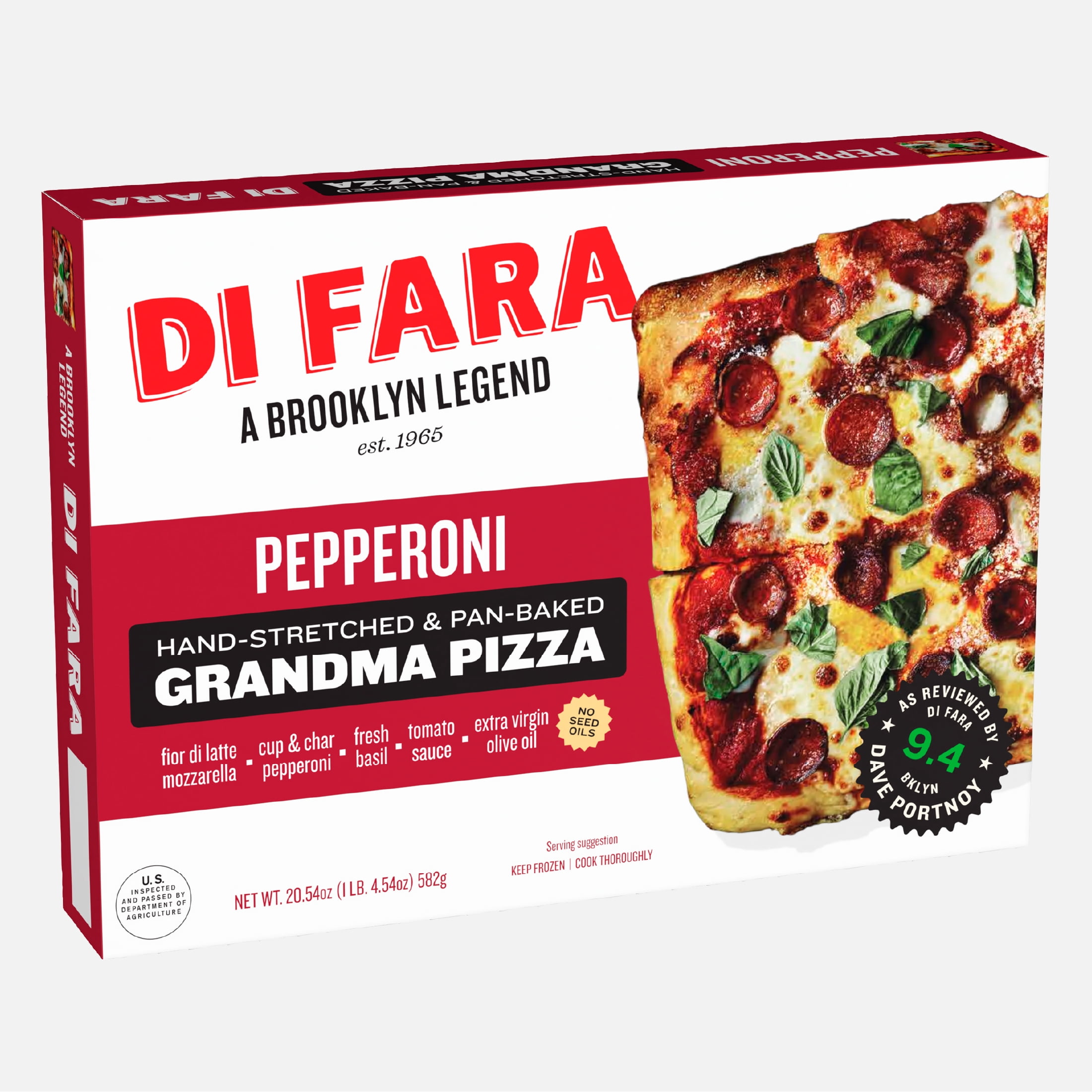


At a glance
Summary
This pizza contains several beneficial ingredients such as olive oil, tomato sauce, and various cheeses, which provide healthy fats, vitamins, and protein. However, it is classified as ultra-processed due to the use of enriched wheat flour and guar gum, which limits its score. The presence of only one additive is a positive aspect, but the overall processing level prevents a higher rating.
Key ingredients 12
Olive oilGood
Olive oil is a source of healthy monounsaturated fats. It contains antioxidants and has anti-inflammatory properties. Cold-pressed extraction preserves its beneficial compounds.
Benefits
Rich in monounsaturated fats that support heart health and provide anti-inflammatory properties.
Tomato sauceGood
Tomato sauce is made from tomatoes and provides vitamins and antioxidants like lycopene. It is a low-calorie ingredient that adds flavor and nutritional value. The presence of olive oil and spices enhances its health benefits.
Benefits
Rich in vitamins and antioxidants, particularly lycopene, which supports heart health.
Low moisture whole milk mozzarella cheeseGood
Mozzarella cheese is a source of protein and calcium. It is made from milk and contains beneficial fats and nutrients. The low moisture content extends its shelf life and enhances its melting properties.
Risks
May contribute to high calorie intake if consumed in excess.
Benefits
Provides protein, calcium, and beneficial fats that support bone health.
Fresh mozzarella cheeseGood
Fresh mozzarella cheese is a source of high-quality protein and calcium. It is made from milk and has a soft texture and mild flavor. It is less processed than other cheeses, retaining more nutrients.
Risks
May contribute to high calorie intake if consumed in excess.
Benefits
Rich in protein and calcium, supporting muscle and bone health.
Parmesan cheeseGood
Parmesan cheese is a hard cheese rich in protein and calcium. It is aged, which enhances its flavor and digestibility. It contains beneficial fats and nutrients that support bone health.
Risks
May contribute to high calorie and sodium intake if consumed in excess.
Benefits
Provides protein, calcium, and beneficial fats that support bone health.
BasilGood
Basil is a herb rich in antioxidants and essential oils. It adds flavor and has anti-inflammatory properties. It is a natural source of vitamins and minerals.
Benefits
Rich in antioxidants and essential oils that support health and add flavor.
WaterNeutral
Water is a fundamental ingredient used in many food products. It acts as a solvent and helps in the mixing of ingredients. It has no nutritional value but is essential for hydration.
Benefits
Essential for hydration and acts as a solvent in food preparation.
SaltNeutral
Salt is used to enhance flavor and preserve food. It is essential for bodily functions but should be consumed in moderation. Excessive intake can lead to health issues such as hypertension.
Risks
Excessive consumption may lead to hypertension and cardiovascular issues.
Benefits
Essential for maintaining fluid balance and nerve function.
YeastNeutral
Yeast is a microorganism used in baking to leaven dough. It contributes to the texture and flavor of baked goods. It is generally considered safe and beneficial in moderation.
Benefits
Contributes to the leavening and flavor of baked goods.
Malted wheat flourNeutral
Malted wheat flour is used to enhance flavor and improve dough fermentation. It contains enzymes that break down starches into sugars. It is generally considered safe in food applications.
Benefits
Enhances flavor and aids in dough fermentation.
Guar gumNeutral
Guar gum is a thickening agent derived from guar beans. It is used to improve texture and stability in food products. It is generally recognized as safe but may cause digestive issues in large amounts.
Risks
May cause digestive issues such as bloating and gas when consumed in large amounts.
Benefits
Improves texture and stability in food products.
Enriched wheat flourBad
Refined grain flour stripped of bran and germ.
Risks
May contribute to blood sugar spikes and lacks the fiber of whole grains.
Benefits
Provides essential nutrients such as iron and B vitamins due to fortification.
Processing
Ultra-Processed Foods
Get the full breakdown in the Scout appTake Scout shopping
Scan any product to see lab results, healthy alternatives, and your personalized analysis.
Download on theApp Store GET IT ONGoogle Play