



Elavi Protein Brownie
Analysis updated August 2026 · How Scout scores
At a glance
Summary
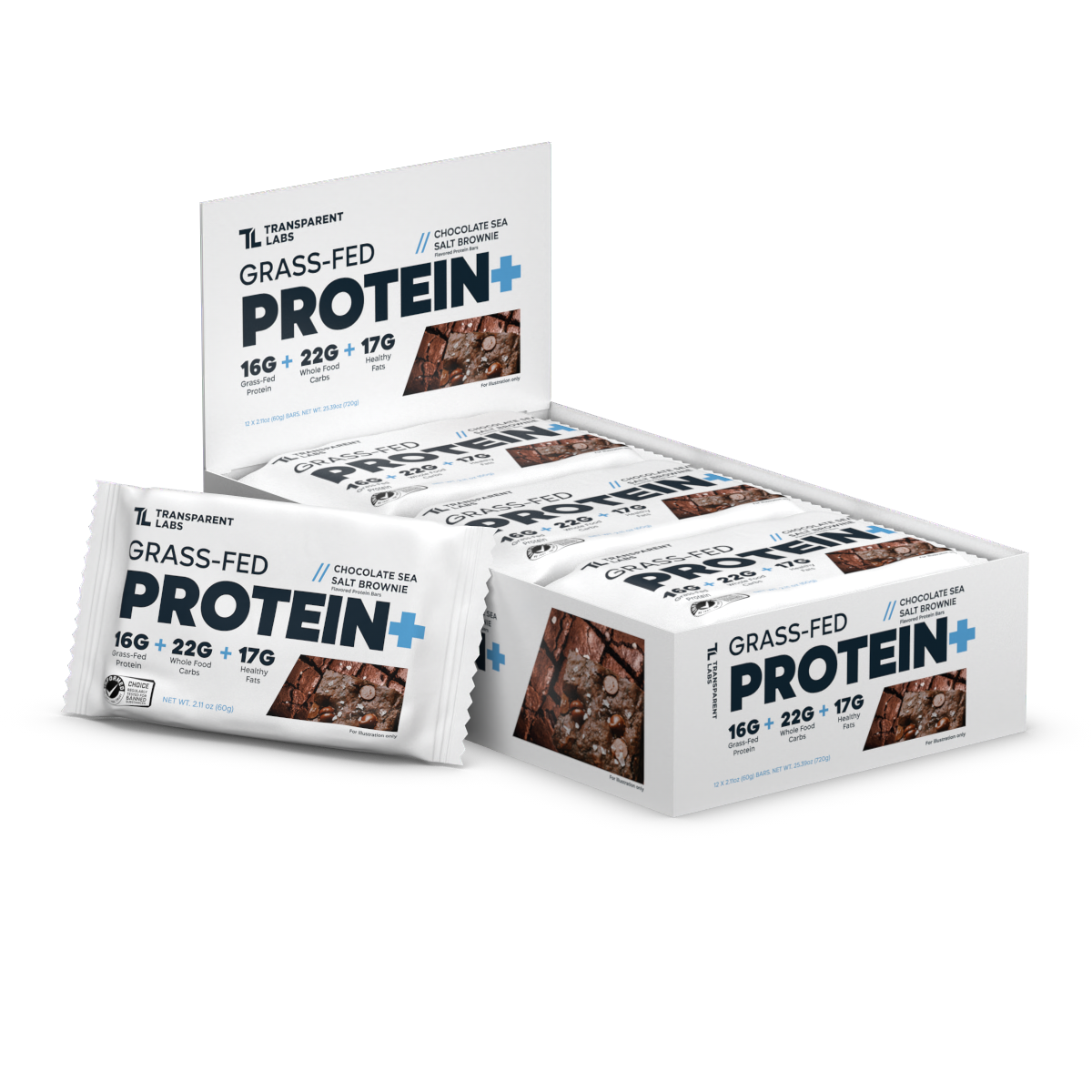
This protein brownie contains several beneficial ingredients such as dates, almonds, and flaxseed, which provide natural sweetness, healthy fats, and fiber. However, it is classified as ultra-processed due to the presence of processed ingredients like natural chocolate flavor and multiple additives. Despite the good nutritional profile, the level of processing limits its score.
Key ingredients 13
AlmondsVery Good
Almonds are a nutrient-dense nut rich in healthy fats, protein, and fiber. They provide essential vitamins and minerals, including vitamin E and magnesium. Their healthy fat content supports heart health and may reduce cholesterol levels.
Risks
Potential allergen for individuals with nut allergies.
Benefits
Rich in monounsaturated fats and antioxidants, supporting heart health and reducing inflammation.
FlaxseedVery Good
Flaxseed is a rich source of omega-3 fatty acids, fiber, and lignans. It supports heart health and may reduce inflammation. The seeds are minimally processed and provide essential nutrients for overall well-being.
Risks
May cause digestive discomfort if consumed in large amounts.
Benefits
Supports cardiovascular health and provides anti-inflammatory benefits.
DatesGood
Dates are a natural sweetener with a low glycemic index compared to refined sugars. They provide fiber, vitamins, and minerals, supporting digestive health. Their natural sugars are less likely to cause blood sugar spikes.
Risks
Excessive consumption may contribute to high sugar intake.
Benefits
Rich in fiber and essential nutrients like potassium and magnesium, supporting overall health.
Tapioca fiberGood
Tapioca fiber is a prebiotic fiber that supports gut health by promoting beneficial bacteria growth. It is minimally processed and derived from the cassava root. It can aid in digestion and improve bowel regularity.
Benefits
Supports digestive health and provides a source of dietary fiber.
Unsweetened chocolateGood
Unsweetened chocolate is rich in antioxidants and flavonoids, which can support heart health. It is minimally processed and contains no added sugars. The cocoa content provides beneficial compounds that may reduce inflammation.
Risks
High in calories and fat, which should be consumed in moderation.
Benefits
Contains antioxidants that support cardiovascular health and may improve mood.
Sea saltGood
Sea salt is a minimally processed salt that retains trace minerals. It is used to enhance flavor and provide essential sodium. Its mineral content can support electrolyte balance and overall health.
Risks
Excessive sodium intake can lead to high blood pressure.
Benefits
Provides essential minerals and enhances flavor in foods.
Brown rice proteinNeutral
Brown rice protein is a plant-based protein source with a moderate amino acid profile. It is hypoallergenic and suitable for those with dairy or soy allergies. However, it lacks some essential amino acids found in animal proteins.
Risks
May not provide a complete amino acid profile compared to animal-based proteins.
Benefits
Suitable for vegans and those with allergies to dairy or soy.
Vegetable glycerinNeutral
Vegetable glycerin is a sugar alcohol used as a sweetener and humectant. It is derived from plant oils and is generally recognized as safe. It provides sweetness without significantly impacting blood sugar levels.
Risks
Excessive consumption may cause digestive discomfort.
Benefits
Provides sweetness with a lower glycemic impact than sugar.
Alkalized cocoa powderNeutral
Alkalized cocoa powder is treated to reduce acidity, resulting in a milder flavor. It retains some antioxidants but may have reduced flavonoid content compared to natural cocoa. It is used for its rich chocolate flavor in baked goods.
Risks
May contain lower levels of beneficial flavonoids due to processing.
Benefits
Provides a rich chocolate flavor and some antioxidant properties.
Sunflower lecithinNeutral
Sunflower lecithin is an emulsifier derived from sunflower seeds. It helps blend ingredients and improve texture in food products. It is a natural alternative to soy lecithin and is generally well-tolerated.
Benefits
Acts as a natural emulsifier and may support brain health due to its phospholipid content.
Baking sodaNeutral
Baking soda is a leavening agent used to help baked goods rise. It is a simple chemical compound with no significant nutritional value. It is widely used in baking for its effectiveness in creating light textures.
Risks
Excessive consumption may lead to alkalosis, but this is unlikely in typical food use.
Baking powderNeutral
Baking powder is a leavening agent that combines baking soda with an acid. It is used to help baked goods rise and achieve a light texture. It is a common ingredient in baking with no significant health concerns.
See more about Baking powder →Natural chocolate flavorBad
Natural chocolate flavor is a processed ingredient used to enhance chocolate taste. It may contain a blend of natural extracts and compounds. The term 'natural' can be misleading as it may still involve significant processing.
Risks
Potential for misleading labeling and lack of transparency in ingredient sourcing.
Benefits
Enhances chocolate flavor without adding sugar.
Processing
Ultra-Processed Foods
Get the full breakdown in the Scout appTake Scout shopping
Scan any product to see lab results, healthy alternatives, and your personalized analysis.
Download on theApp Store GET IT ONGoogle PlayAmazon pricing & content
Amazon price as of . Product prices and availability are accurate as of the date/time indicated and are subject to change. Any price and availability information displayed on Amazon.com at the time of purchase will apply to the purchase of this product.
CERTAIN CONTENT THAT APPEARS ON THIS SITE COMES FROM AMAZON. THIS CONTENT IS PROVIDED “AS IS” AND IS SUBJECT TO CHANGE OR REMOVAL AT ANY TIME.