

At a glance
Summary
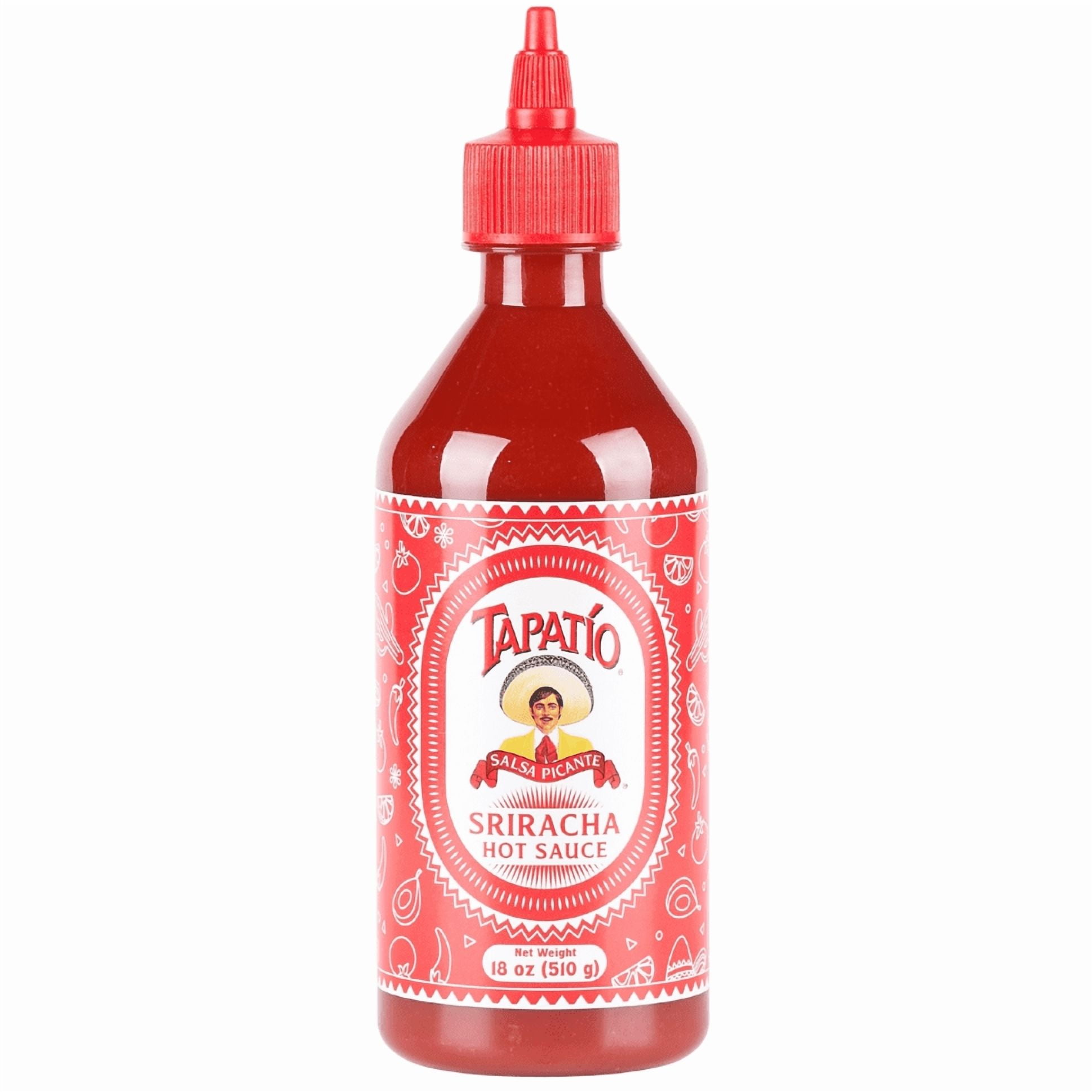
This Sriracha sauce contains beneficial ingredients like Thai chili peppers and garlic, which offer antioxidant and anti-inflammatory properties. However, it also includes refined sugar and potassium sorbate, a synthetic preservative, which are less desirable. The product is moderately processed, which limits its score, and the presence of sugar contributes to its overall health impact.
Key ingredients 8
Thai chili peppersGood
Thai chili peppers are rich in vitamins A and C, providing antioxidant benefits. They contain capsaicin, which may boost metabolism and reduce inflammation. The natural spiciness can enhance flavor without added calories.
Risks
Excessive consumption may cause digestive discomfort or irritation.
Benefits
Rich in antioxidants and capsaicin, which may support metabolic health and reduce inflammation.
GarlicGood
Garlic is known for its potential health benefits, including antimicrobial and anti-inflammatory properties. It contains allicin, which may support cardiovascular health. Its natural flavor enhances dishes without added sodium.
Risks
May cause digestive upset in sensitive individuals.
Benefits
Contains compounds that may support heart health and provide antimicrobial benefits.
WaterNeutral
Water is a neutral ingredient used as a solvent and to adjust consistency. It does not contribute calories or nutrients. Its role is primarily functional in food processing.
Benefits
Essential for hydration and does not add calories or alter nutritional content.
SaltNeutral
Salt is used to enhance flavor and preserve food. It is a source of sodium, which is essential for fluid balance and nerve function. However, excessive intake can lead to hypertension.
Risks
High sodium intake is associated with increased blood pressure and cardiovascular risk.
Benefits
Essential for maintaining fluid balance and nerve function in the body.
Acetic acidNeutral
Acetic acid is a natural acid found in vinegar, used for flavoring and preservation. It provides a tangy taste and acts as a preservative. It is generally recognized as safe when used in food.
Risks
Excessive consumption may cause digestive irritation.
Benefits
Acts as a preservative and flavor enhancer in foods.
Xanthan gumNeutral
Xanthan gum is a polysaccharide used as a thickening and stabilizing agent. It is derived from fermentation and is widely used in food processing. It is generally considered safe for consumption.
Risks
May cause digestive issues in large amounts for some individuals.
Benefits
Improves texture and stability of food products without significant health risks.
SugarBad
Refined sugar is a high-calorie ingredient with no essential nutrients. It can contribute to weight gain and increase the risk of chronic diseases when consumed in excess. Its presence in processed foods often leads to overconsumption.
Risks
High intake can lead to obesity, insulin resistance, and dental cavities.
Potassium sorbateBad
Potassium sorbate is a synthetic preservative used to inhibit mold and yeast growth. It is effective in extending shelf life but is a processed additive. Some individuals may experience allergic reactions or sensitivities.
Risks
Potential for allergic reactions or sensitivities in some individuals.
Benefits
Extends shelf life by preventing microbial growth in food products.
Processing
Processed Foods
Get the full breakdown in the Scout appTake Scout shopping
Scan any product to see lab results, healthy alternatives, and your personalized analysis.
Download on theApp Store GET IT ONGoogle Play