


At a glance
Summary
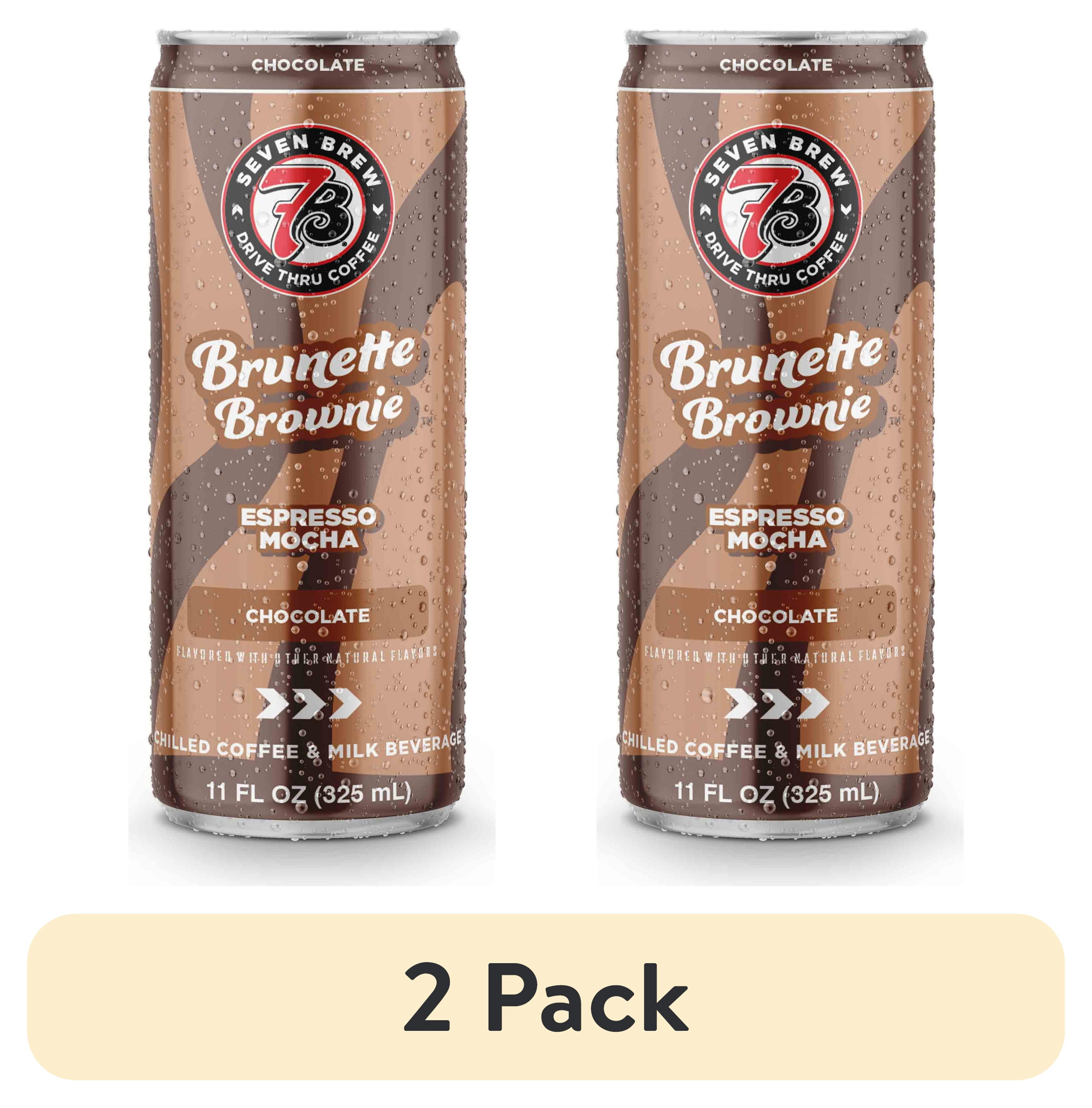
This beverage contains a mix of beneficial and concerning ingredients. While it includes Arabica coffee and cocoa powder, which offer antioxidants and flavor, it also contains added sugar, natural flavors, carrageenan, and mono & diglycerides. These additives contribute to its processed nature and potential health concerns, such as digestive issues and unhealthy fat intake. The presence of these processed ingredients limits its overall healthiness.
Key ingredients 12
Arabica CoffeeGood
Arabica coffee is known for its rich flavor and lower acidity compared to other coffee varieties. It contains antioxidants that can help reduce inflammation and improve overall health. The processing method retains most of its beneficial compounds.
Risks
Excessive consumption of coffee can lead to increased heart rate and anxiety.
Benefits
Rich in antioxidants, which can help protect cells from damage and reduce the risk of certain diseases.
CreamGood
Traditional whole-fat dairy ingredient.
Risks
High in saturated fats, which can contribute to heart disease if consumed in excess.
Benefits
Adds flavor and richness to foods and beverages.
Cocoa PowderGood
Cocoa powder is rich in flavonoids, which are antioxidants that can improve heart health. Processing with alkali reduces acidity but may also decrease some beneficial compounds. It provides a rich chocolate flavor with potential health benefits.
Benefits
Contains flavonoids that support heart health and provide antioxidant benefits.
Skim MilkNeutral
Skim milk is a low-fat dairy option that provides essential nutrients like calcium and vitamin D. It is processed to remove most of the fat content, making it a lower-calorie option. However, it lacks the beneficial fats found in whole milk.
Benefits
Provides calcium and vitamin D, which are essential for bone health.
Cellulose GelNeutral
Cellulose gel is a thickening agent derived from plant fibers. It is used to improve texture and stability in food products. It is generally considered safe and has no significant nutritional value.
Benefits
Provides texture and stability to food products.
Potassium CarbonateNeutral
Potassium carbonate is used as a pH regulator and processing aid. It is generally recognized as safe when used in food processing. It does not contribute any nutritional value to the product.
See more about Potassium Carbonate →SaltNeutral
Salt is used to enhance flavor but can contribute to high sodium intake. Excessive consumption of sodium is linked to hypertension and cardiovascular diseases. It is essential in small amounts for bodily functions.
Risks
High sodium intake can lead to hypertension and cardiovascular issues.
Benefits
Essential for maintaining fluid balance and nerve function.
Cellulose GumNeutral
Cellulose gum is a thickening agent that provides texture to food products. It is derived from plant fibers and is considered safe for consumption. It does not provide any nutritional benefits.
See more about Cellulose Gum →SugarBad
Sugar is a common sweetener that can contribute to excessive calorie intake and weight gain. High consumption of added sugars is linked to various health issues, including obesity and type 2 diabetes. It provides no essential nutrients and is considered empty calories.
Risks
High intake can lead to obesity, type 2 diabetes, and dental cavities.
Natural FlavorsBad
Natural flavors are used to enhance taste but lack transparency regarding their specific composition. They are highly processed and can contain a variety of chemical compounds. The lack of disclosure can be concerning for those with allergies or sensitivities.
Risks
Potential allergen risk due to undisclosed ingredients.
CarrageenanBad
Carrageenan is used as a thickener and stabilizer in food products. Some studies suggest it may cause digestive issues and inflammation in sensitive individuals. Its safety is debated, and it is often avoided by those with gastrointestinal concerns.
Risks
May cause digestive issues and inflammation in sensitive individuals.
Mono & DiglyceridesBad
Mono and diglycerides are emulsifiers that help blend ingredients but may contain trans fats. They are highly processed and can contribute to unhealthy fat intake. Their use is often criticized due to potential health concerns.
Risks
May contain trans fats, which are linked to heart disease.
Processing
Processed Foods
Get the full breakdown in the Scout appTake Scout shopping
Scan any product to see lab results, healthy alternatives, and your personalized analysis.
Download on theApp Store GET IT ONGoogle Play