


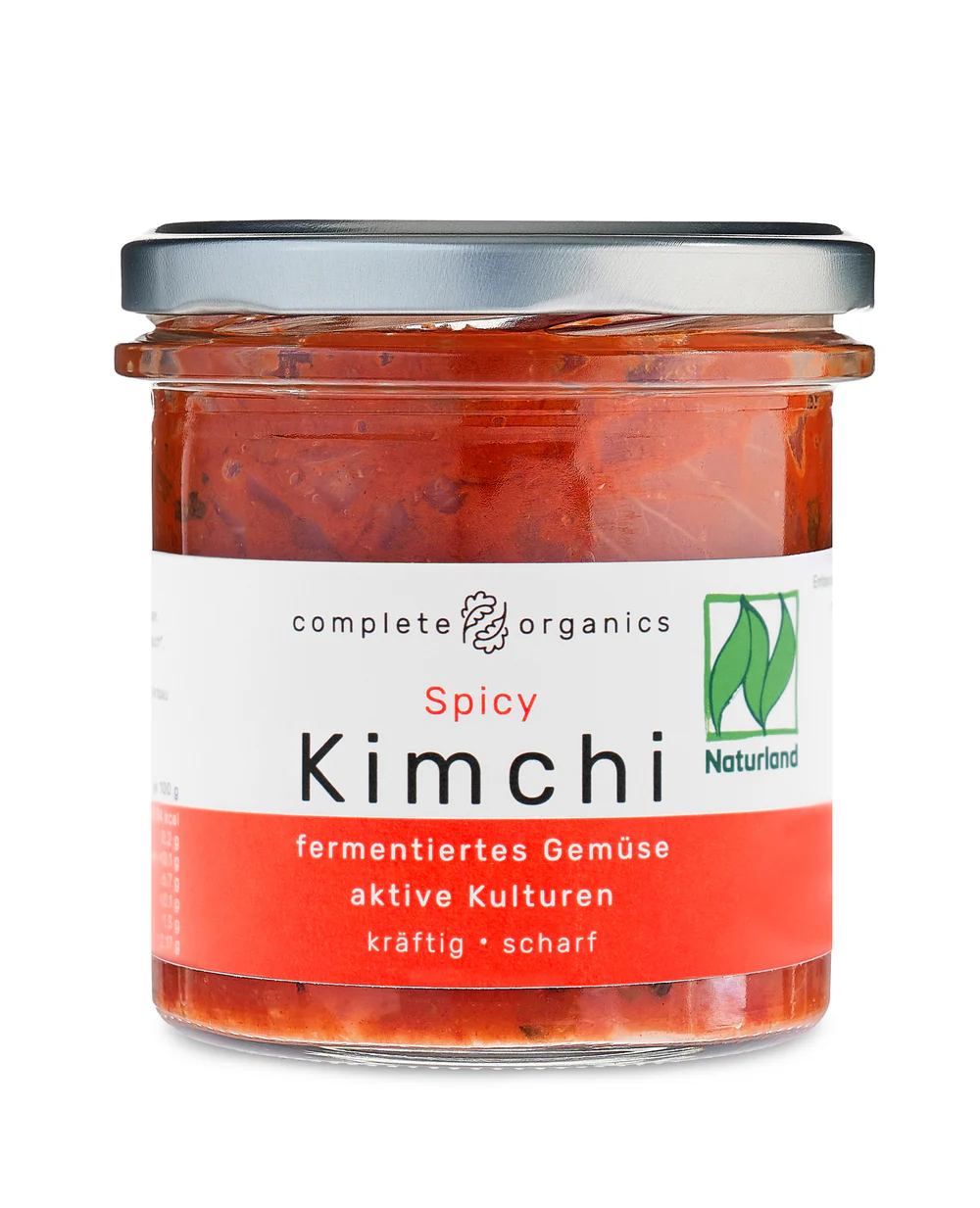
At a glance
Summary
This kimchi product contains a variety of beneficial ingredients such as napa cabbage, radish, and garlic, which are rich in vitamins, minerals, and probiotics that support gut health. However, the presence of fructose-glucose syrup, a processed sweetener, detracts from its overall healthiness. While the product is processed, it maintains a relatively clean ingredient list with minimal additives, allowing it to score fairly well within its category.
Key ingredients 15
Napa cabbageVery Good
Napa cabbage is a low-calorie vegetable rich in vitamins and minerals. It provides dietary fiber which aids in digestion. The fermentation process enhances its probiotic content, supporting gut health.
Benefits
Rich in vitamins C and K, and provides beneficial probiotics that support digestive health.
GingerVery Good
Ginger is known for its anti-inflammatory and digestive properties. It contains gingerol, which may reduce nausea and improve digestion. It is a natural ingredient with a long history of medicinal use.
Risks
May cause mild digestive discomfort in some individuals.
Benefits
Supports digestion and has anti-inflammatory properties that may benefit overall health.
Lactic acid bacteriaVery Good
Lactic acid bacteria are probiotics that support gut health and digestion. They are beneficial microorganisms that enhance the nutritional profile of fermented foods. Their presence in kimchi contributes to its health benefits.
Benefits
Promotes gut health and supports a balanced microbiome.
RadishGood
Radish is a root vegetable that is low in calories and high in fiber. It contains antioxidants that may help reduce inflammation. Its natural compounds can support liver function.
Benefits
Provides vitamin C and antioxidants that may support immune function and reduce inflammation.
Kelp base sauceGood
Kelp base sauce includes kelp extract, which is a source of iodine and other trace minerals. It can support thyroid function and overall mineral balance. The inclusion of sorbitol as a humectant is generally safe in small amounts.
Risks
Excessive iodine intake can affect thyroid function, but this is unlikely in typical consumption amounts.
Benefits
Provides iodine and trace minerals that support thyroid health and metabolic function.
Red pepper powderGood
Red pepper powder adds flavor and contains capsaicin, which may boost metabolism and reduce inflammation. It is a natural spice with antioxidant properties. Its vibrant color indicates the presence of beneficial carotenoids.
Risks
May cause irritation in sensitive individuals or when consumed in large amounts.
Benefits
Contains capsaicin, which may aid in metabolism and provide anti-inflammatory benefits.
GarlicGood
Garlic is known for its antimicrobial and anti-inflammatory properties. It contains allicin, which may support cardiovascular health. It is a natural ingredient with a long history of health benefits.
Risks
May cause digestive discomfort in some individuals when consumed in large amounts.
Benefits
Supports heart health and has antimicrobial properties that may boost the immune system.
Fermented anchovy sauceGood
Fermented anchovy sauce provides umami flavor and is a source of protein and omega-3 fatty acids. Fermentation enhances its probiotic content, supporting gut health. It is a traditional ingredient in many Asian cuisines.
Risks
Contains salt, which should be consumed in moderation to avoid excessive sodium intake.
Benefits
Rich in omega-3 fatty acids and probiotics that support heart and gut health.
Korean leekGood
Korean leek is a flavorful vegetable that provides vitamins and minerals. It contains antioxidants that may support immune health. It is a natural ingredient with culinary and health benefits.
Benefits
Rich in vitamins A and C, supporting immune function and overall health.
OnionGood
Onion is a common vegetable that provides flavor and nutrients. It contains quercetin, an antioxidant that may reduce inflammation. It is a natural ingredient with potential health benefits.
Risks
May cause digestive discomfort in some individuals.
Benefits
Contains antioxidants that may support heart health and reduce inflammation.
ChivesGood
Chives are a herb that adds flavor and nutrients to dishes. They contain vitamins A and C, and antioxidants that support health. They are a natural ingredient with culinary and health benefits.
Benefits
Provides vitamins and antioxidants that support immune health.
Fermented shrimp sauceGood
Fermented shrimp sauce adds umami flavor and is a source of protein. Fermentation enhances its probiotic content, supporting gut health. It is a traditional ingredient in many Asian cuisines.
Risks
Contains salt, which should be consumed in moderation to avoid excessive sodium intake.
Benefits
Rich in protein and probiotics that support gut health.
Rice pasteNeutral
Rice paste is made from water and rice powder, serving as a carbohydrate source. It is minimally processed and provides energy. It does not offer significant nutritional benefits beyond carbohydrates.
Benefits
Provides a source of carbohydrates for energy.
SaltNeutral
Salt is used for flavor and preservation in foods. It is a necessary nutrient but should be consumed in moderation. Excessive intake can lead to health issues such as hypertension.
Risks
High sodium intake can contribute to hypertension and cardiovascular issues.
Benefits
Essential for fluid balance and nerve function in the body.
Fructose-glucose syrupBad
Fructose-glucose syrup is a sweetener that can contribute to excessive sugar intake. It is associated with metabolic issues when consumed in large amounts. It is a processed ingredient with limited nutritional value.
Risks
High consumption may lead to metabolic disorders and increased risk of obesity.
Processing
Processed Foods
Get the full breakdown in the Scout appTake Scout shopping
Scan any product to see lab results, healthy alternatives, and your personalized analysis.
Download on theApp Store GET IT ONGoogle Play