

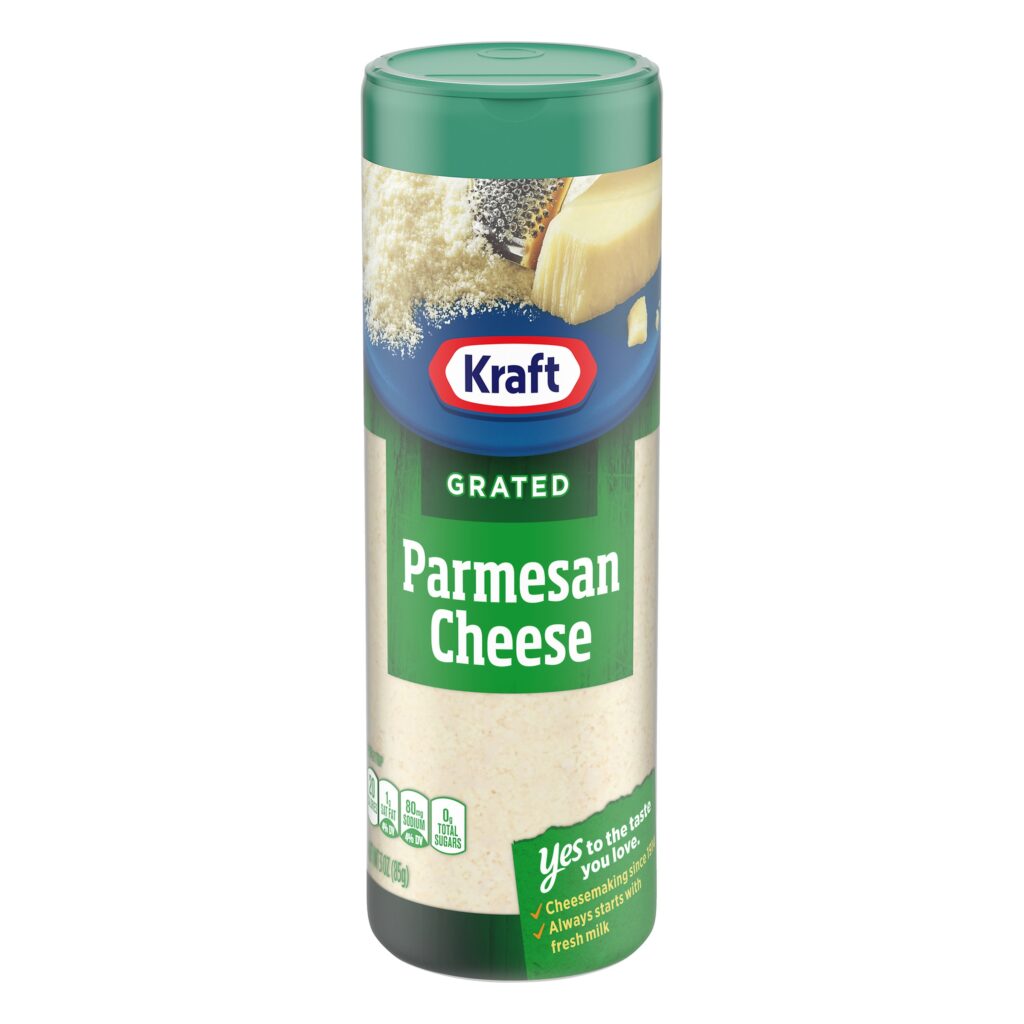


At a glance
Summary
Parmesan crisps are primarily made from parmesan cheese, which is a high-quality source of protein and calcium. However, the inclusion of anticaking agents and preservatives indicates a higher level of processing, which affects the overall score. Despite these additives, the product maintains some nutritional benefits due to its cheese content.
Key ingredients 9
Parmesan CheeseGood
Parmesan cheese is a high-quality source of protein and calcium. It is traditionally aged, which enhances its flavor and nutritional profile. The fermentation process also contributes beneficial probiotics.
Risks
Contains lactose, which may be a concern for those with lactose intolerance.
Benefits
Rich in protein and calcium, supporting bone health and muscle maintenance. Contains probiotics that can aid in digestion.
MilkGood
Milk is a primary ingredient in cheese, providing essential nutrients like calcium and vitamin D. It is a complete protein source, offering all essential amino acids. The quality of milk can vary based on the source and processing.
Risks
Potential allergen for individuals with milk allergies or lactose intolerance.
Benefits
Provides essential nutrients such as calcium and vitamin D, supporting bone health. A complete protein source beneficial for muscle growth and repair.
SaltNeutral
Salt is used to enhance flavor and preserve the cheese. It is a common culinary ingredient with no significant processing. Excessive consumption can lead to health issues like hypertension.
Risks
High sodium intake can contribute to hypertension and cardiovascular issues.
Benefits
Enhances flavor and acts as a preservative in cheese production.
Starter CultureNeutral
Starter cultures are used in cheese making to initiate fermentation. They help develop flavor and texture in the cheese. The specific strains used can vary, affecting the final product's characteristics.
Benefits
Contributes to the development of flavor and texture in cheese. May provide probiotic benefits depending on the strains used.
EnzymesNeutral
Enzymes are used in cheese making to coagulate milk and develop texture. They are essential for the cheese-making process and are typically derived from animal or microbial sources. The type of enzyme can affect the cheese's flavor and texture.
Benefits
Essential for coagulating milk and developing cheese texture. Can enhance flavor depending on the type used.
Black Sesame SeedsNeutral
Black sesame seeds are whole seeds that add texture and flavor. They are a natural ingredient with minimal processing. They provide some nutritional benefits, including healthy fats and minerals.
Risks
Potential allergen for individuals with seed allergies.
Benefits
Provides healthy fats and minerals, contributing to nutritional value.
ThickenerNeutral
Thickeners are used to improve texture and consistency in food products. They can be derived from natural or synthetic sources. The specific type used can affect the product's quality and health impact.
Benefits
Improves texture and consistency, enhancing the eating experience.
Anticaking AgentBad
Anticaking agents are added to prevent clumping in cheese products. They are often synthetic and can be considered unnecessary additives. Their presence indicates a higher level of processing.
Risks
May contain synthetic compounds that some consumers prefer to avoid.
Benefits
Helps maintain product texture by preventing clumping.
PreservativeBad
Preservatives are used to extend shelf life and prevent spoilage. They are often synthetic and can be associated with health concerns. Their use indicates a higher level of processing in the product.
Risks
Potential health concerns with long-term consumption of synthetic preservatives.
Benefits
Extends shelf life and prevents spoilage, maintaining product quality.
Processing
Processed Foods
Get the full breakdown in the Scout appTake Scout shopping
Scan any product to see lab results, healthy alternatives, and your personalized analysis.
Download on theApp Store GET IT ONGoogle Play