


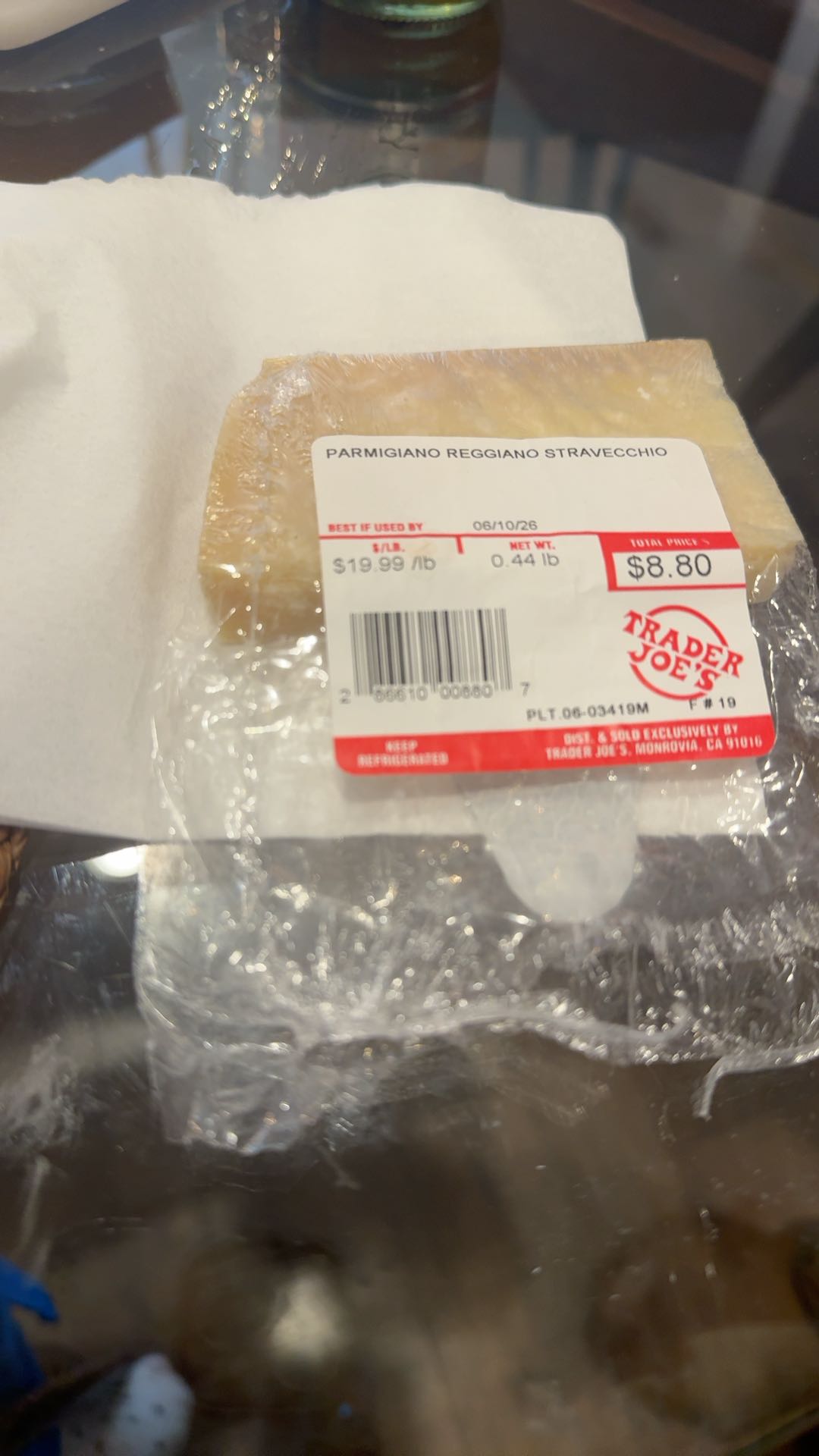
At a glance
Summary
This cheese product is processed and contains several additives, including potassium sorbate and natamycin, which are synthetic preservatives. While it uses semi-skimmed pasteurized cow's milk, providing essential nutrients, the presence of these additives and the level of processing limit its health score. The product is not as minimally processed as traditional cheeses, which affects its overall rating.
Key ingredients 8
Semi-skimmed pasteurized cow's milkGood
This is a primary ingredient providing essential nutrients like calcium and protein. Pasteurization ensures safety by eliminating harmful bacteria. Semi-skimmed milk offers a balance of reduced fat content while maintaining nutritional benefits.
Benefits
Rich in calcium and protein, supporting bone health and muscle maintenance.
Iodized saltNeutral
Iodized salt is used to enhance flavor and provide iodine, an essential nutrient. It is a refined form of salt, lacking the trace minerals found in unrefined salts. While necessary in small amounts, excessive intake can lead to health issues.
Risks
Excessive consumption can contribute to high blood pressure and other cardiovascular issues.
Benefits
Provides iodine, which is essential for thyroid function and metabolic regulation.
Citric acidNeutral
Citric acid is a natural preservative and flavor enhancer commonly used in food products. It is generally recognized as safe and helps maintain product freshness. Derived from citrus fruits, it is widely used in the food industry.
Benefits
Helps preserve food and enhance flavor without significant health concerns.
NisinNeutral
Nisin is a natural preservative derived from fermentation, used to inhibit bacterial growth. It is considered safe and effective in small quantities. Commonly used in dairy products, it helps maintain product safety.
Benefits
Helps prevent bacterial spoilage, enhancing food safety.
Calcium chlorideNeutral
Calcium chloride is used in cheese making to improve texture and firmness. It is a common additive in the dairy industry, generally recognized as safe. It helps maintain the structural integrity of cheese.
Benefits
Enhances cheese texture and firmness, contributing to product quality.
EnzymesNeutral
Enzymes are used in cheese production to aid in coagulation and flavor development. They are natural components essential for cheese making. Enzymes contribute to the unique characteristics of cheese.
Benefits
Essential for cheese production, aiding in coagulation and flavor development.
Potassium sorbateBad
Potassium sorbate is a synthetic preservative used to inhibit mold and yeast growth. While effective, it is a processed additive that some individuals may prefer to avoid. It is generally considered safe but can cause allergic reactions in sensitive individuals.
Risks
May cause allergic reactions or sensitivities in some individuals.
Benefits
Extends shelf life by preventing spoilage from mold and yeast.
NatamycinBad
Natamycin is an antifungal agent used to prevent mold growth on cheese and other foods. It is a synthetic additive that some consumers may wish to avoid. While effective, it is not a natural ingredient and may cause sensitivities.
Risks
Potential for allergic reactions or sensitivities in some individuals.
Benefits
Prevents mold growth, extending the shelf life of dairy products.
Processing
Processed Foods
Get the full breakdown in the Scout appTake Scout shopping
Scan any product to see lab results, healthy alternatives, and your personalized analysis.
Download on theApp Store GET IT ONGoogle Play