

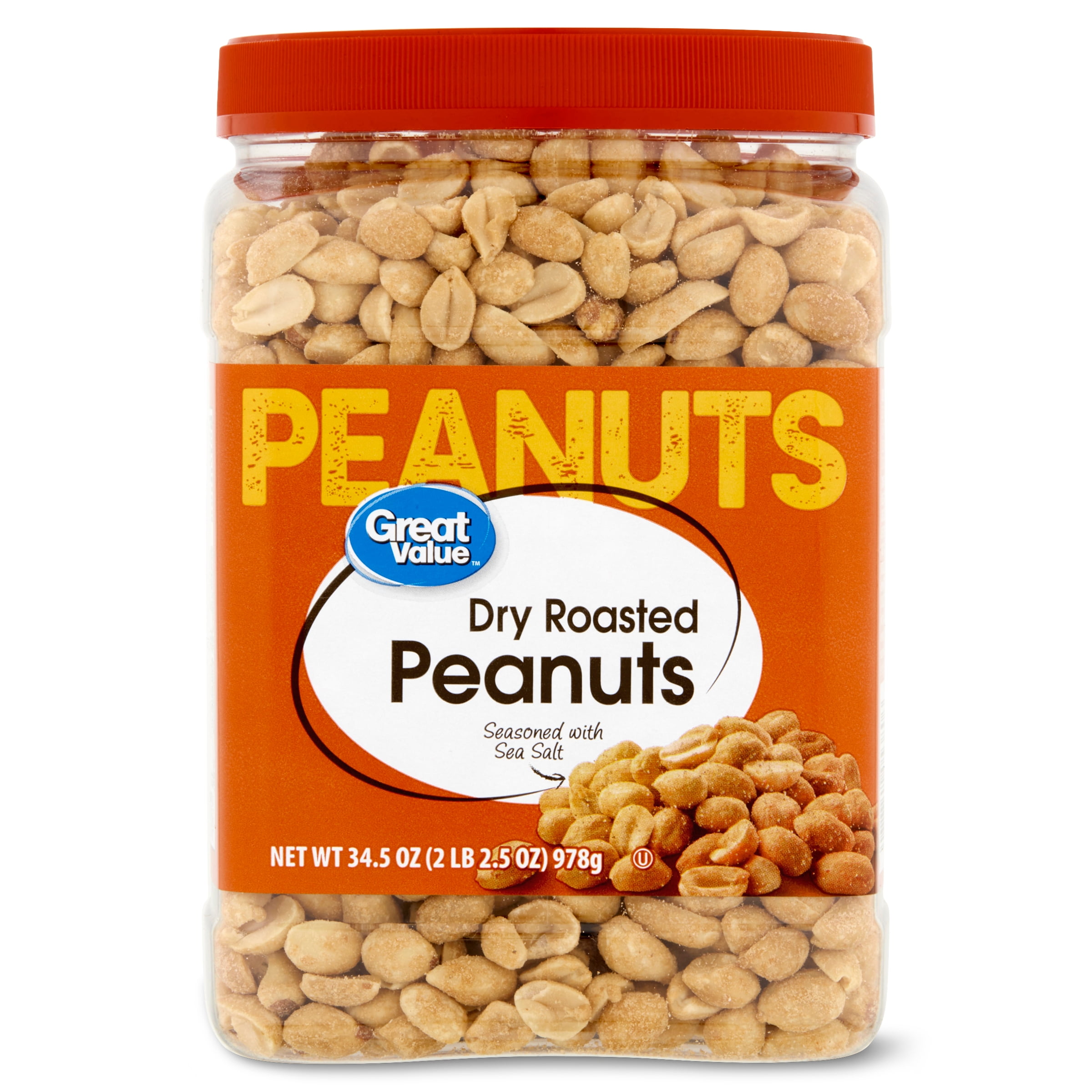
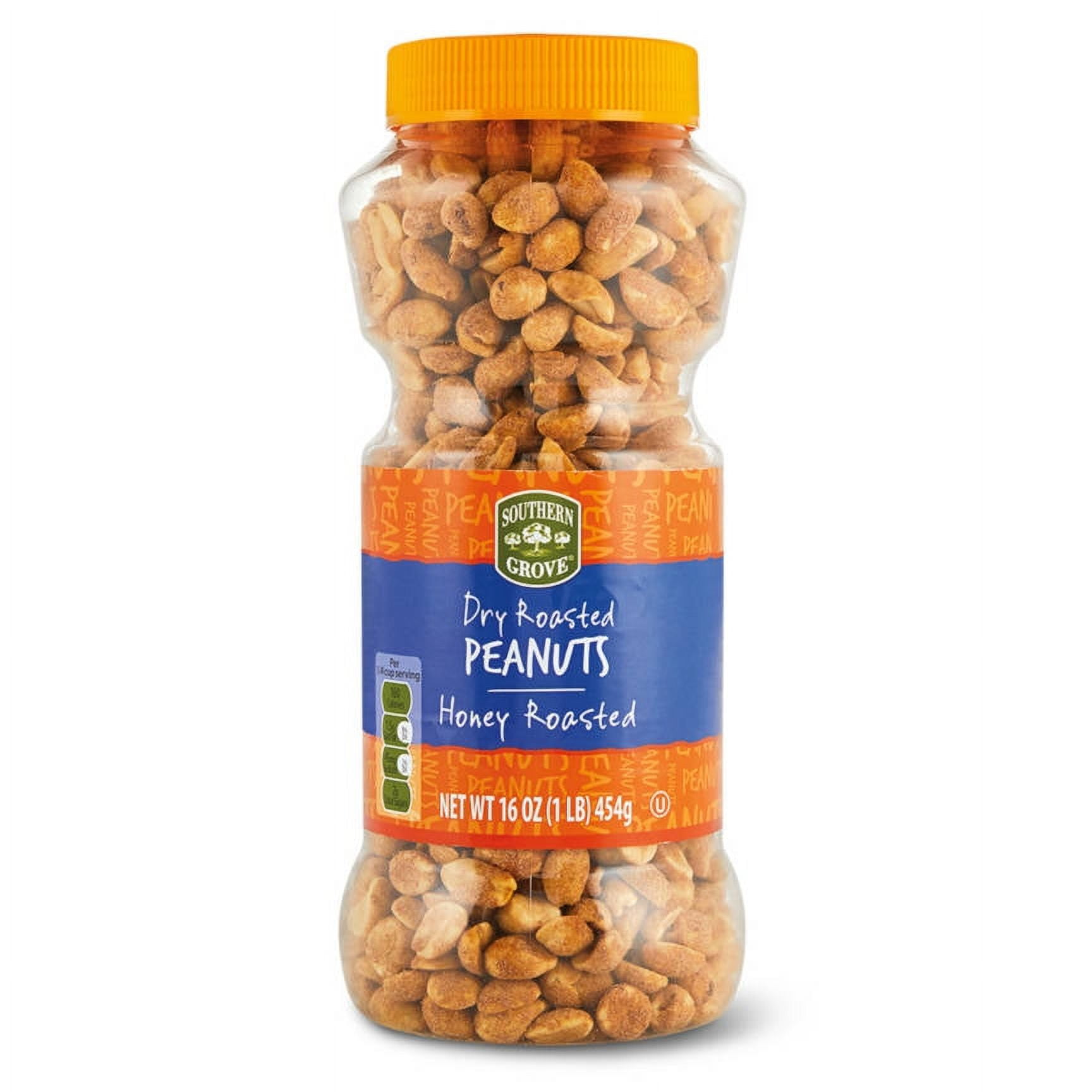






WHOLE FOODS MARKET, HONEY ROASTED PEANUTS
Whole FoodsAnalysis updated September 2026 · How Scout scores
Near you
Whole Foods is carried at Whole Foods stores. Find one within 25 miles.
At a glance
Summary
This product is ultra-processed, which limits its healthfulness despite containing peanuts, a beneficial ingredient. The presence of refined sugar and maltodextrin, both of which offer no nutritional benefits and can negatively impact blood sugar levels, further detracts from its score. While Whole Foods Market has stricter sourcing standards, the processing level and inclusion of these ingredients prevent a higher rating.
Key ingredients 8
PeanutsGood
Peanuts are a good source of protein and healthy fats, contributing to heart health. They contain essential nutrients like magnesium and vitamin E. As a whole food, they provide fiber and antioxidants.
Risks
Peanuts can be a common allergen, posing risks to individuals with peanut allergies.
Benefits
Rich in protein and healthy fats, peanuts support heart health and provide essential nutrients.
HoneyGood
Traditional whole-food sweetener with trace enzymes and antioxidants.
Risks
Excessive consumption can lead to increased calorie intake and potential weight gain.
Benefits
Contains antioxidants and may have antimicrobial properties.
Potato starchNeutral
Potato starch is used as a thickening agent and is a source of resistant starch. It is minimally processed compared to other starches. It can aid in digestion by acting as a prebiotic.
Risks
Excessive consumption may lead to digestive discomfort in some individuals.
Benefits
Acts as a prebiotic and may support gut health.
SaltNeutral
Salt is used to enhance flavor and preserve food. It is a source of sodium, which is essential for fluid balance and nerve function. However, excessive intake can lead to hypertension.
Risks
High sodium intake is associated with increased risk of hypertension and cardiovascular disease.
Benefits
Essential for maintaining fluid balance and nerve function.
Xanthan gumNeutral
Xanthan gum is a common food additive used as a thickener and stabilizer. It is derived from fermented sugars and is generally recognized as safe. It can improve texture and shelf life of products.
Risks
May cause digestive issues in sensitive individuals when consumed in large amounts.
Benefits
Improves texture and stability of food products.
SugarBad
Refined sugar is associated with increased risk of obesity and metabolic disorders. It provides empty calories without nutritional benefits. Excessive consumption can lead to dental issues and insulin resistance.
Risks
High intake of refined sugar can contribute to obesity, diabetes, and heart disease.
Peanut oilBad
Processed additive flagged under Scout's ingredient doctrine.
Risks
May contribute to high calorie intake if consumed in large amounts.
Benefits
Provides monounsaturated fats that can support heart health.
MaltodextrinBad
Maltodextrin is a highly processed carbohydrate used as a thickener or filler. It has a high glycemic index, which can spike blood sugar levels. It offers no nutritional benefits and is often used in ultra-processed foods.
Risks
Can cause rapid spikes in blood sugar levels and may contribute to insulin resistance.
Processing
Ultra-Processed Foods
Get the full breakdown in the Scout appTake Scout shopping
Scan any product to see lab results, healthy alternatives, and your personalized analysis.
Download on theApp Store GET IT ONGoogle Play