
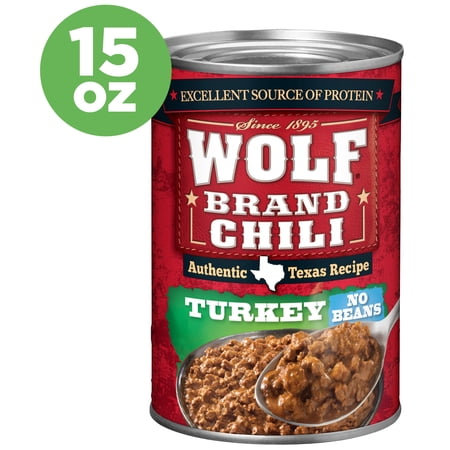

WOLF Turkey Chili No Beans, 15 OZ
Analysis updated April 2026 · How Scout scores
At a glance
Summary
This turkey chili is ultra-processed, which limits its healthiness despite containing some beneficial ingredients like turkey broth and whole rolled oats. The presence of additives such as sodium phosphate and caramel color, along with added sugar, detracts from its nutritional quality. While it has a decent protein content, the processing level and inclusion of certain additives prevent it from being rated higher.
Key ingredients 13
Turkey brothGood
Turkey broth is a flavorful base that provides protein and minerals. It is typically made by simmering turkey bones and meat, which can extract collagen and nutrients. This ingredient can enhance the nutritional profile of the product.
Benefits
Provides protein and essential minerals like calcium and magnesium. May support joint health due to collagen content.
TurkeyGood
Turkey is a lean source of animal protein, rich in essential amino acids. It is typically lower in fat compared to other meats, making it a healthier protein choice. The quality of turkey can vary based on its source and farming practices.
Benefits
Rich in protein and essential nutrients like B vitamins and selenium. Supports muscle growth and maintenance.
Whole rolled oatsGood
Whole rolled oats are a whole grain ingredient that provides dietary fiber and essential nutrients. They are minimally processed, retaining their nutritional integrity. Oats can help improve heart health and regulate blood sugar levels.
Benefits
Rich in soluble fiber, which can help lower cholesterol levels. Provides a source of complex carbohydrates for sustained energy.
SpicesGood
Whole-food seasonings, antioxidant-bearing.
Benefits
May provide antioxidants and anti-inflammatory properties depending on the specific spices used.
Garlic powderGood
Garlic powder is a dehydrated form of garlic that retains many of its health benefits. It is known for its potential antimicrobial and cardiovascular benefits. The processing method preserves its active compounds like allicin.
Benefits
May support heart health and provide antimicrobial properties. Contains antioxidants that can reduce oxidative stress.
Tomato pureeNeutral
Tomato puree is made from cooked and strained tomatoes, providing a concentrated source of flavor and nutrients. It is a common ingredient in sauces and soups, offering vitamins like vitamin C and lycopene. The processing method retains most of the nutritional benefits of fresh tomatoes.
Benefits
Contains antioxidants like lycopene, which may support heart health. Provides vitamins A and C, contributing to immune function.
Modified corn starchNeutral
Modified corn starch is used as a thickening agent and stabilizer in processed foods. It is derived from corn and undergoes chemical modification to enhance its properties. While it is generally recognized as safe, it provides little nutritional value.
See more about Modified corn starch →Corn starchNeutral
Corn starch is a common thickening agent derived from corn. It is used to improve texture and consistency in food products. While it is generally safe, it is a refined carbohydrate with minimal nutritional benefits.
See more about Corn starch →SaltNeutral
Salt is used to enhance flavor and preserve food. It is an essential mineral but should be consumed in moderation to avoid health issues like hypertension. The amount of salt in processed foods can contribute to excessive sodium intake.
Risks
Excessive consumption can lead to high blood pressure and increased risk of cardiovascular disease.
Benefits
Essential for maintaining fluid balance and nerve function in the body.
Sodium phosphateBad
Sodium phosphate is used as a preservative and emulsifier in processed foods. It can contribute to an increased intake of phosphates, which may have negative health effects. Overconsumption of phosphates can disrupt calcium balance and bone health.
Risks
High intake may lead to imbalances in calcium and phosphate levels, potentially affecting bone health.
SugarBad
Sugar is a refined carbohydrate that provides sweetness but lacks essential nutrients. Excessive consumption can lead to health issues such as obesity, diabetes, and dental problems. It is often added to enhance flavor in processed foods.
Risks
High intake can contribute to obesity, insulin resistance, and dental cavities.
Soy lecithinBad
Refined emulsifier lecithin (doctrine: 'bad', distinct from seed oils).
Benefits
May aid in the absorption of fat-soluble vitamins and improve texture in food products.
Caramel colorBad
Caramel color is a food coloring agent used to enhance the appearance of processed foods. It is created by heating sugar, which can produce potentially harmful byproducts like 4-MEI. Concerns exist regarding its safety and potential carcinogenic effects.
Risks
May contain 4-MEI, a compound with potential carcinogenic effects when consumed in large amounts.
Processing
Ultra-Processed Foods
Get the full breakdown in the Scout appTake Scout shopping
Scan any product to see lab results, healthy alternatives, and your personalized analysis.
Download on theApp Store GET IT ONGoogle PlayAmazon pricing & content
Amazon price as of . Product prices and availability are accurate as of the date/time indicated and are subject to change. Any price and availability information displayed on Amazon.com at the time of purchase will apply to the purchase of this product.
CERTAIN CONTENT THAT APPEARS ON THIS SITE COMES FROM AMAZON. THIS CONTENT IS PROVIDED “AS IS” AND IS SUBJECT TO CHANGE OR REMOVAL AT ANY TIME.