

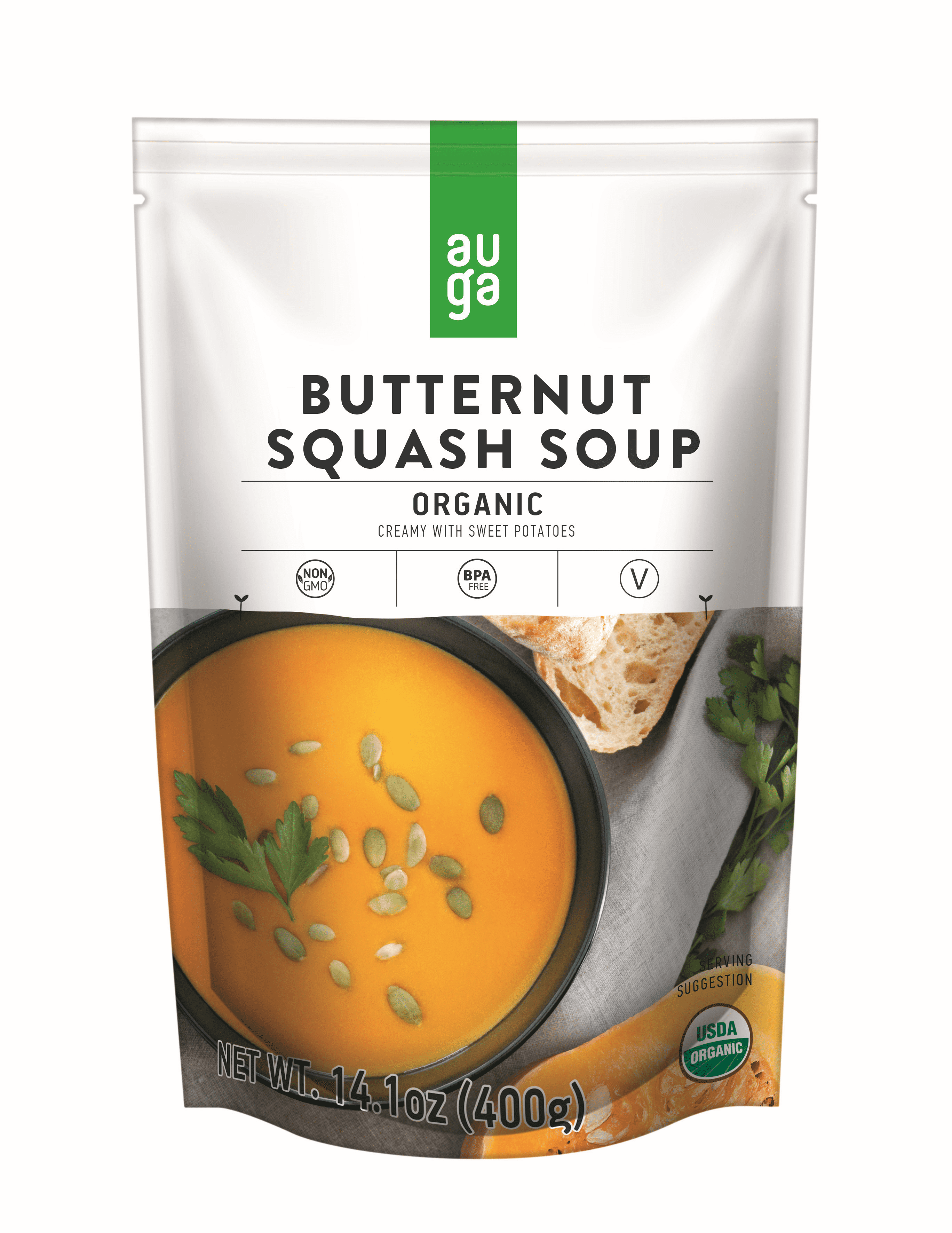

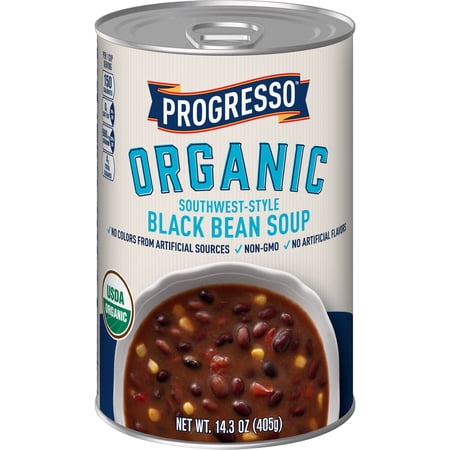
Progresso Traditional Butternut Squash Soup
Analysis updated May 2026 · How Scout scores
At a glance
Summary
This soup contains beneficial ingredients like butternut squash and carrot puree, which are nutrient-dense and provide vitamins and antioxidants. However, it is moderately processed and includes added sugar and natural flavors, which detract from its overall healthiness. The presence of these additives and the processing level prevent it from achieving a higher score.
Key ingredients 13
Butternut SquashVery Good
Butternut squash is a nutrient-dense vegetable rich in vitamins A and C. It provides dietary fiber and antioxidants that support immune function and eye health. Its natural sweetness enhances flavor without added sugars.
Benefits
Rich in vitamins A and C, supporting immune function and eye health. Provides dietary fiber and antioxidants.
Carrot PureeGood
Carrot puree is a good source of beta-carotene, which the body converts to vitamin A. It supports vision and immune health. The puree form makes it easy to incorporate into soups for added nutrition.
Benefits
Provides beta-carotene, supporting vision and immune health. Easy to digest and incorporate into dishes.
CreamGood
Cream adds richness and a smooth texture to soups, providing a source of dairy fat. It contains fat-soluble vitamins like A and D. When used in moderation, it enhances flavor and satiety.
Risks
High in saturated fats, which should be consumed in moderation to avoid cardiovascular risks.
Benefits
Provides fat-soluble vitamins A and D, enhancing flavor and texture.
Garlic PowderGood
Garlic powder provides flavor and potential health benefits, such as antimicrobial properties. It contains compounds like allicin, which may support heart health. It is a convenient form of garlic for cooking.
Benefits
Contains allicin, which may support heart health and provide antimicrobial benefits.
CinnamonGood
Cinnamon is a spice with antioxidant properties and potential health benefits. It may help regulate blood sugar levels and has anti-inflammatory effects. Its aromatic flavor enhances the taste of dishes.
Benefits
May help regulate blood sugar levels and has antioxidant properties.
Beta CaroteneGood
Beta carotene is a natural pigment used for coloring and is a precursor to vitamin A. It supports vision and immune health. It is derived from natural sources and adds nutritional value.
Benefits
Supports vision and immune health as a precursor to vitamin A.
WaterNeutral
Water is a neutral ingredient used as a base in many soups. It provides no nutritional value but is essential for hydration. It acts as a solvent for other ingredients.
See more about Water →Corn StarchNeutral
Corn starch is used as a thickening agent in soups. It is a refined carbohydrate with minimal nutritional value. It helps achieve desired consistency without altering flavor.
See more about Corn Starch →SaltNeutral
Salt is used to enhance flavor and preserve food. It is essential for bodily functions but should be consumed in moderation. Excessive intake can lead to hypertension.
Risks
Excessive consumption can lead to hypertension and cardiovascular issues.
Benefits
Essential for maintaining fluid balance and nerve function.
SpiceNeutral
The term 'spice' is generic and can refer to a variety of flavoring agents. It enhances taste but lacks specific nutritional information. The exact composition is not disclosed, which limits detailed analysis.
Risks
Potential allergen if specific spices are not disclosed.
Benefits
Enhances flavor without adding calories.
SugarBad
Refined sugar is added for sweetness but offers no nutritional benefits. Excessive consumption can lead to health issues like obesity and diabetes. It is best consumed in limited amounts.
Risks
Excessive intake can lead to obesity, diabetes, and other metabolic disorders.
Modified Food StarchBad
Chemically modified starch additive.
See more about Modified Food Starch →Natural FlavorBad
Natural flavors are added to enhance taste but lack transparency in their composition. They can contain a variety of compounds, some of which may cause allergic reactions. The term 'natural' does not guarantee safety or health benefits.
Risks
Potential allergen and may contain undisclosed compounds.
Processing
Processed Foods
Get the full breakdown in the Scout appTake Scout shopping
Scan any product to see lab results, healthy alternatives, and your personalized analysis.
Download on theApp Store GET IT ONGoogle Play