









Near you
Trader Joe's is carried at Trader Joe stores. Find one within 25 miles.
At a glance
Summary
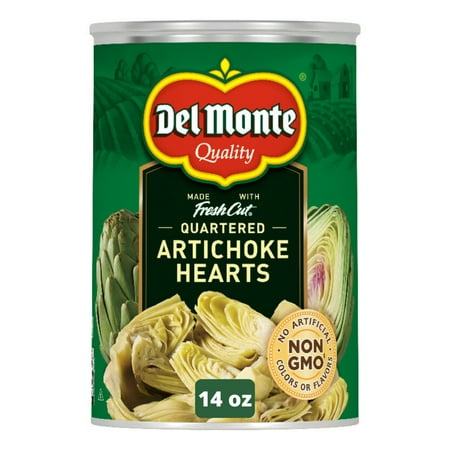
This product consists primarily of whole artichoke hearts, which are a nutritious vegetable rich in fiber and antioxidants. The ingredient list is simple and clean, with minimal additives, contributing to a favorable processing score. However, as a processed food, it is subject to a score cap, preventing it from reaching the highest rating.
Key ingredients 5
Whole artichoke heartsGood
Whole artichoke hearts are a nutritious vegetable rich in fiber and antioxidants. They are minimally processed, retaining most of their natural nutrients. Artichokes are known for supporting digestive health and liver function.
Benefits
Rich in dietary fiber and antioxidants, which support digestive health and may reduce oxidative stress.
WaterNeutral
Water is used as a medium for canning and does not contribute any nutritional value. It is a neutral ingredient that helps preserve the artichoke hearts. The presence of water ensures the product remains hydrated and fresh.
See more about Water →SaltNeutral
Salt is used as a preservative and flavor enhancer in canned foods. It is a common ingredient that helps maintain the product's taste and shelf life. Excessive consumption of salt can lead to health issues, but in moderation, it is generally safe.
Risks
Excessive salt intake can contribute to high blood pressure and cardiovascular issues.
Benefits
Enhances flavor and acts as a preservative in canned foods.
Citric acidNeutral
Citric acid is used as an acidifier and preservative in canned foods. It is naturally found in citrus fruits and is generally recognized as safe. It helps maintain the color and flavor of the product.
Benefits
Helps preserve the product and maintain its flavor and color.
Calcium chlorideNeutral
Calcium chloride is used as a firming agent in canned vegetables. It helps maintain the texture of the artichoke hearts during processing. It is generally recognized as safe and does not significantly alter the nutritional profile.
Benefits
Helps maintain the firmness and texture of canned vegetables.
Processing
Processed Foods
Get the full breakdown in the Scout appTake Scout shopping
Scan any product to see lab results, healthy alternatives, and your personalized analysis.
Download on theApp Store GET IT ONGoogle Play