

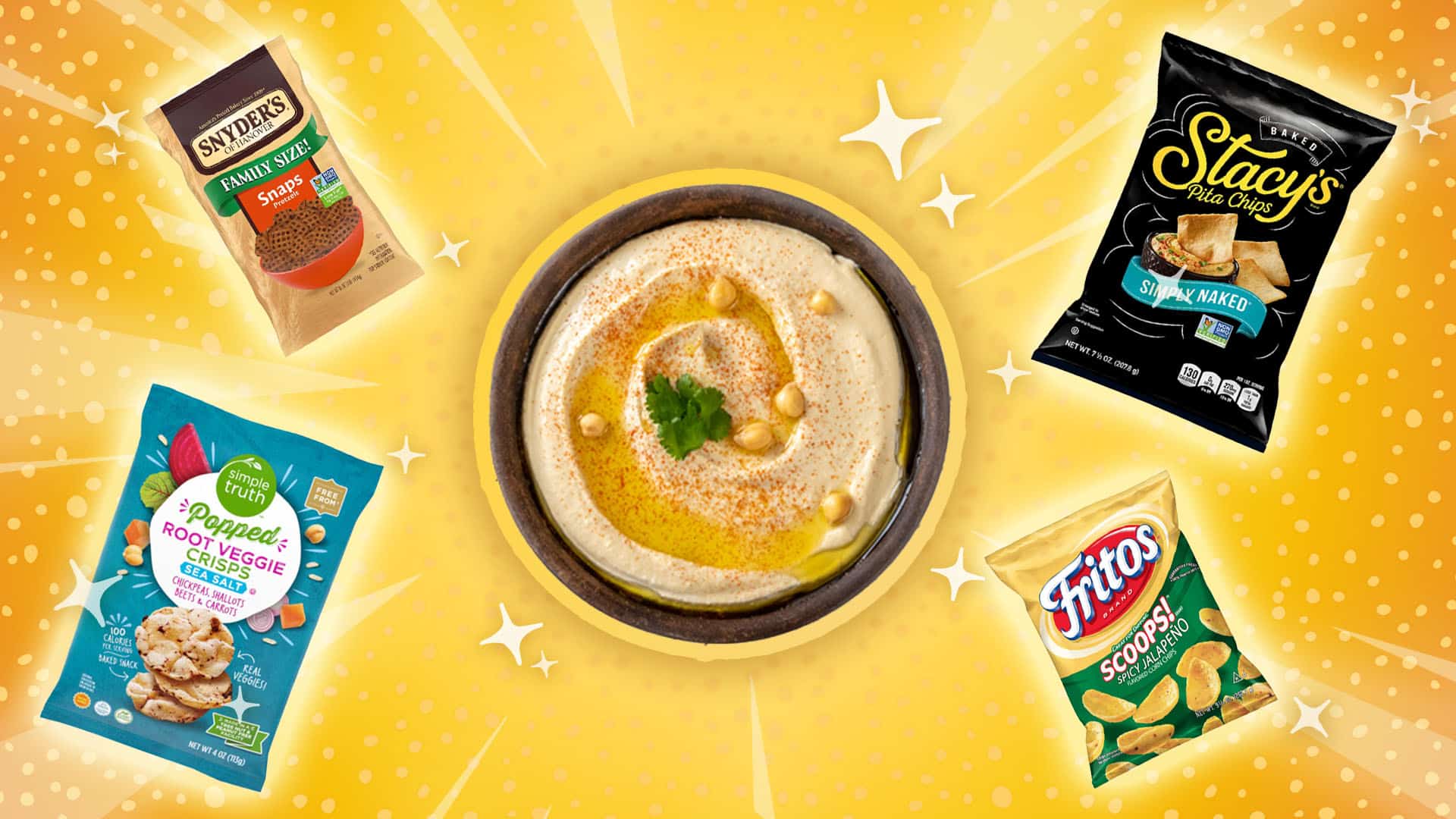



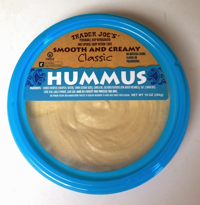



Mediterraneean Hummus with pita chips
Trader Joe'sAnalysis updated August 2026 · How Scout scores
Near you
Trader Joe's is carried at Trader Joe stores. Find one within 25 miles.
At a glance
Summary
This product contains garbanzo beans, which are a nutritious base, but it also includes enriched wheat flour and barley malt flour, indicating a moderate level of processing. The presence of refined flour components and the processed nature of the pita chips contribute to a lower score. While it lacks harmful additives like artificial colors or preservatives, the processing level and refined ingredients limit its healthfulness.
Key ingredients 8
GarbanzosGood
Garbanzos are a nutritious legume rich in fiber and protein, supporting healthy digestion and muscle maintenance.
Barley malt flourGood
Barley malt flour provides natural sweetness and contains beneficial nutrients like fiber and vitamins.
NiacinGood
Niacin is a vital B-vitamin that supports energy metabolism and overall cellular health.
See more about Niacin →ThiaminGood
Thiamin (Vitamin B1) is important for energy production and proper nerve function.
See more about Thiamin →WaterNeutral
Water is essential for hydration and helps maintain the product's texture without adding calories or nutrients.
See more about Water →SaltNeutral
Salt enhances flavor but should be consumed in moderation; it is a common seasoning in processed foods.
See more about Salt →Reduced ironNeutral
Standard formulation ingredient — neither beneficial nor harmful at typical use.
See more about Reduced iron →Enriched wheat flourBad
Enriched wheat flour is processed and stripped of some nutrients, which can reduce its nutritional value compared to whole grains.
See more about Enriched wheat flour →Processing
Processed Foods
Get the full breakdown in the Scout appTake Scout shopping
Scan any product to see lab results, healthy alternatives, and your personalized analysis.
Download on theApp Store GET IT ONGoogle Play