

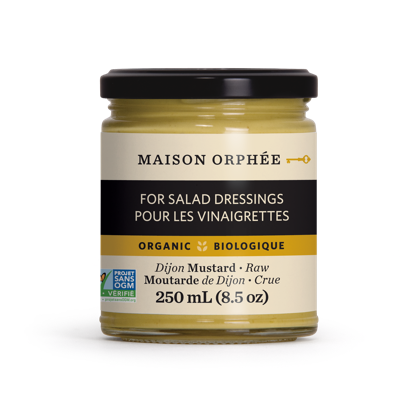


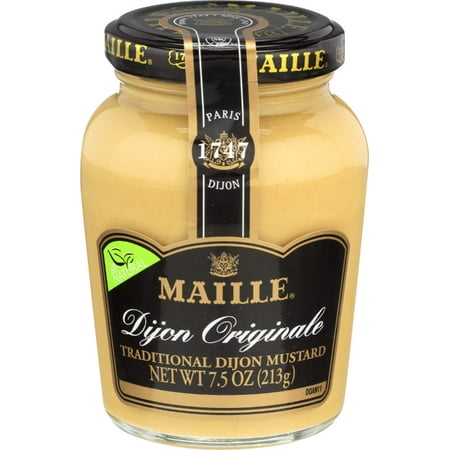




Trader Joe's Dijon Mustard
Trader Joe'sAnalysis updated June 2026 · How Scout scores
Near you
Trader Joe's is carried at Trader Joe stores. Find one within 25 miles.
At a glance
Summary
This Dijon mustard contains a relatively clean ingredient list with mustard seed, vinegar, and spices, but it includes added sugar, which is a refined carbohydrate contributing to increased calorie intake without essential nutrients. The product is moderately processed, which limits its score, but it avoids major harmful additives and seed oils, maintaining a reasonable health profile.
Key ingredients 8
Mustard seedGood
Mustard seeds are rich in antioxidants and add flavor, making them a beneficial ingredient.
See more about Mustard seed →Distilled vinegarGood
Distilled vinegar can aid digestion and acts as a natural preservative, enhancing flavor.
See more about Distilled vinegar →SpicesGood
Whole-food seasonings, antioxidant-bearing.
See more about Spices →WaterNeutral
Water is a common base in condiments, providing hydration without adding calories or fats.
See more about Water →SaltNeutral
Standard formulation ingredient — neither beneficial nor harmful at typical use.
See more about Salt →White wine (contains sulfites)Neutral
White wine adds flavor complexity; sulfites are preservatives but are generally recognized as safe in small amounts.
Citric acidNeutral
Citric acid is a natural preservative and flavor enhancer, commonly used in small quantities.
See more about Citric acid →SugarBad
Sugar can contribute to excess calorie intake and may impact blood sugar levels if consumed in large amounts.
See more about Sugar →Processing
Processed Foods
Get the full breakdown in the Scout appTake Scout shopping
Scan any product to see lab results, healthy alternatives, and your personalized analysis.
Download on theApp Store GET IT ONGoogle PlayAmazon pricing & content
Amazon price as of . Product prices and availability are accurate as of the date/time indicated and are subject to change. Any price and availability information displayed on Amazon.com at the time of purchase will apply to the purchase of this product.
CERTAIN CONTENT THAT APPEARS ON THIS SITE COMES FROM AMAZON. THIS CONTENT IS PROVIDED “AS IS” AND IS SUBJECT TO CHANGE OR REMOVAL AT ANY TIME.