


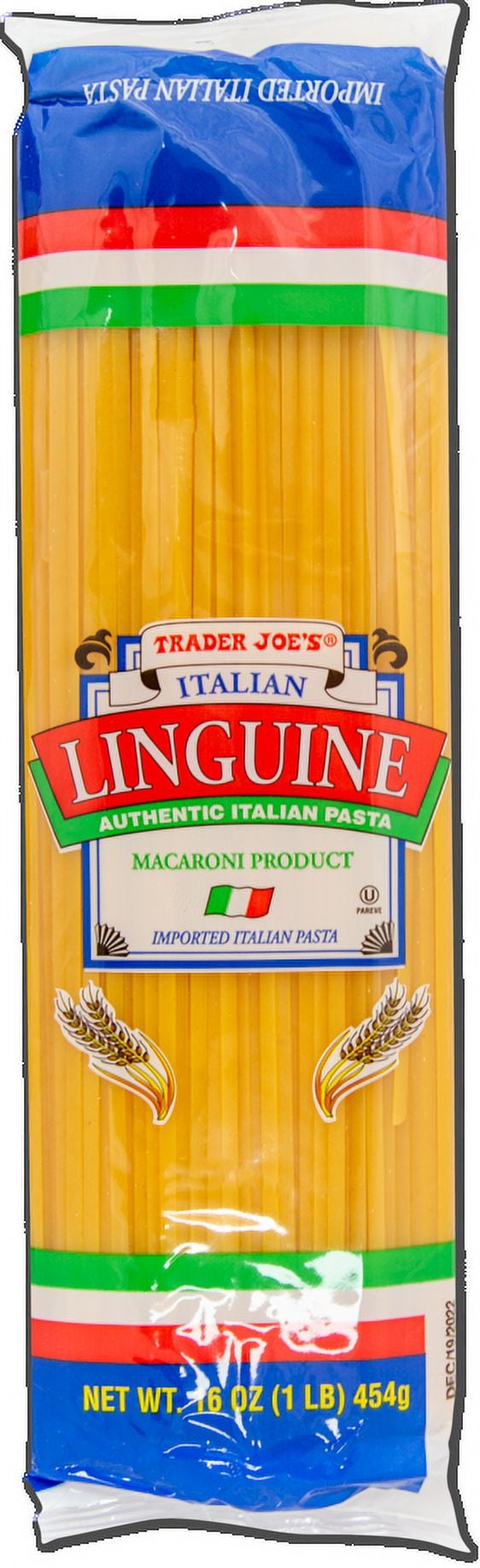


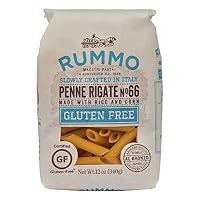


Linguine No. 13 Gluten Free
RummoAnalysis updated September 2026 · How Scout scores
At a glance
Summary
This gluten-free pasta is made from a blend of brown rice, yellow corn, white corn, and potato starch, which are generally acceptable ingredients. However, the inclusion of mono-and diglycerides, a processed emulsifier, raises concerns due to potential trans fat content. The product is moderately processed, which limits its score despite the absence of major harmful ingredients.
Key ingredients 6
Brown riceNeutral
Brown rice is a whole grain that provides fiber and essential nutrients. It is minimally processed, retaining its bran and germ. However, it may contain arsenic, which is a concern when consumed in large quantities.
Risks
Potential arsenic content is a concern, especially with frequent consumption.
Benefits
Provides fiber, vitamins, and minerals, contributing to a balanced diet.
Yellow cornNeutral
Yellow corn is a whole grain that offers carbohydrates and some vitamins. It is typically non-GMO and provides a gluten-free alternative. However, it lacks significant protein and essential amino acids.
Risks
May be less nutritious compared to other grains due to lower protein content.
Benefits
Offers carbohydrates and some vitamins, serving as a gluten-free grain option.
White cornNeutral
White corn is similar to yellow corn, providing carbohydrates and some nutrients. It is often used in gluten-free products due to its mild flavor. Like yellow corn, it lacks significant protein content.
Risks
Limited protein content may not meet dietary needs if consumed as a primary grain.
Benefits
Provides carbohydrates and is a gluten-free grain option.
RiceNeutral
Rice is a staple grain that provides energy through carbohydrates. It is minimally processed and widely consumed globally. However, it may contain arsenic, which is a concern for frequent consumption.
Risks
Potential arsenic content is a concern, especially with frequent consumption.
Benefits
Provides carbohydrates and is a staple in many diets.
Potato starchNeutral
Potato starch is a refined carbohydrate used as a thickener and binder. It is gluten-free and easily digestible. However, it lacks significant nutritional value beyond providing carbohydrates.
Benefits
Provides a gluten-free thickening agent and is easily digestible.
Mono-and diglycerides of vegetable originBad
Mono-and diglycerides are emulsifiers used to improve texture and shelf life. They are processed additives that may contain trans fats. Their consumption should be limited due to potential health concerns.
Risks
May contain trans fats, which are linked to heart disease and other health issues.
Processing
Processed Foods
Get the full breakdown in the Scout appTake Scout shopping
Scan any product to see lab results, healthy alternatives, and your personalized analysis.
Download on theApp Store GET IT ONGoogle Play