



At a glance
Summary
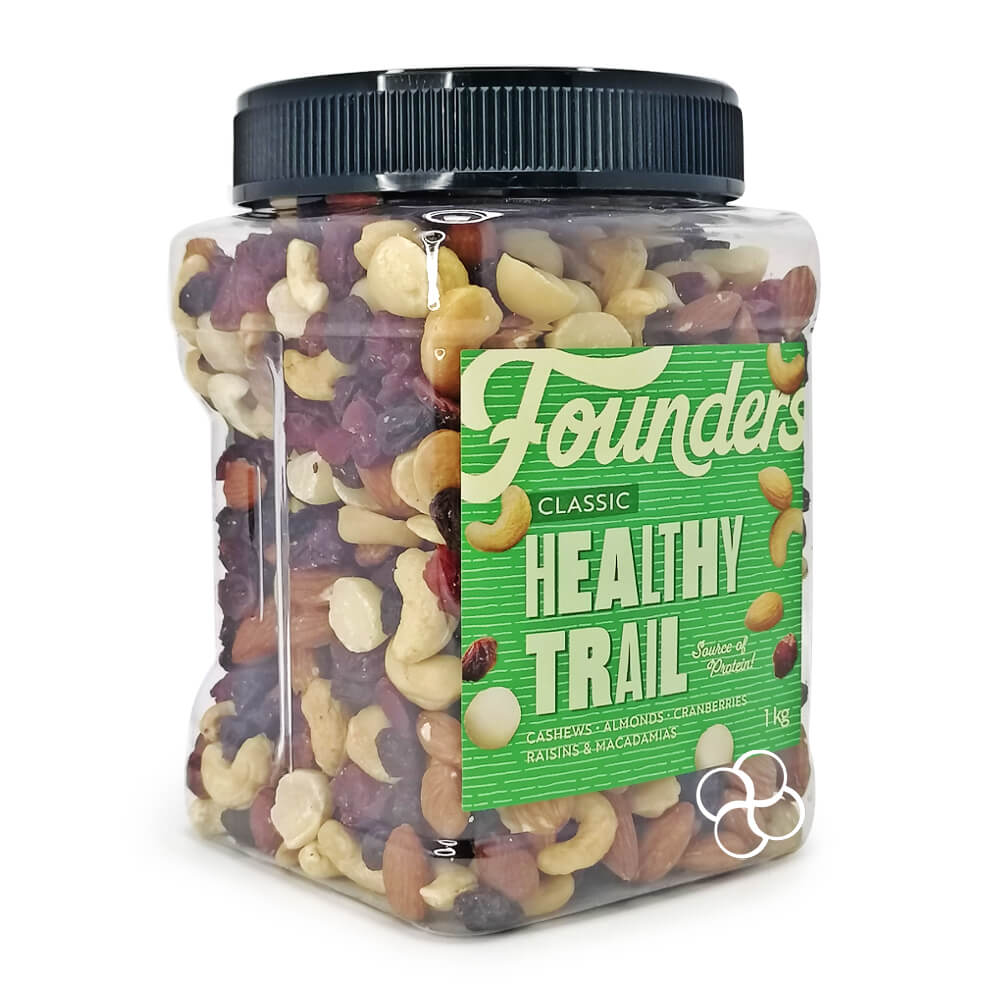
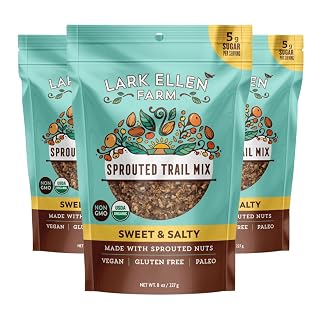
This trail mix contains beneficial ingredients like peanuts, cashews, almonds, and sweet bananas, which provide healthy fats, protein, and essential nutrients. However, the presence of refined sugar and vegetable oil, which are associated with negative health impacts, lowers its nutritional quality. The product's processing level further limits its score potential, as it includes multiple processed ingredients.
Key ingredients 14
PeanutsGood
Peanuts are rich in protein, healthy fats, and various vitamins and minerals. They are minimally processed and provide a good source of energy. Their nutrient profile supports heart health and overall well-being.
Risks
Peanuts can be allergenic for some individuals, potentially causing severe allergic reactions.
Benefits
Rich in monounsaturated fats and protein, peanuts support heart health and provide essential nutrients like vitamin E and magnesium.
HoneyGood
Traditional whole-food sweetener with trace enzymes and antioxidants.
Risks
Excessive consumption can lead to weight gain and increased blood sugar levels.
Benefits
Contains antioxidants and trace nutrients that may offer health benefits when consumed in moderation.
Sea SaltGood
Sea salt is a natural source of sodium and trace minerals. It is minimally processed and can enhance flavor without the need for excessive additives. Its mineral content can support electrolyte balance in the body.
Risks
Excessive sodium intake can lead to high blood pressure and cardiovascular issues.
Benefits
Provides essential minerals and can support hydration and electrolyte balance.
Sweet BananaGood
Sweet bananas are a natural source of carbohydrates, vitamins, and minerals. They provide quick energy and are rich in potassium, which supports heart health. Their natural sugars are less processed than refined sugars.
Benefits
Rich in potassium and vitamin C, bananas support heart health and provide quick energy.
CashewsGood
Cashews are a nutrient-dense nut rich in healthy fats, protein, and essential minerals. They are minimally processed and provide a good source of energy. Their nutrient profile supports heart health and overall well-being.
Risks
Cashews can be allergenic for some individuals, potentially causing allergic reactions.
Benefits
Rich in monounsaturated fats and minerals like magnesium, cashews support heart health and bone strength.
AlmondsGood
Almonds are a rich source of healthy fats, protein, and fiber. They are minimally processed and provide essential nutrients like vitamin E and magnesium. Their nutrient profile supports heart health and can aid in weight management.
Risks
Almonds can be allergenic for some individuals, potentially causing allergic reactions.
Benefits
Rich in vitamin E and healthy fats, almonds support heart health and provide antioxidant benefits.
MilkGood
Whole dairy ingredient.
Risks
Lactose intolerance can cause digestive issues for some individuals.
Benefits
Provides calcium and protein, supporting bone health and muscle function.
SesameGood
Sesame seeds are a good source of healthy fats, protein, and minerals like calcium and magnesium. They are minimally processed and provide a rich nutrient profile. Their consumption supports heart health and bone strength.
Risks
Sesame seeds can be allergenic for some individuals, potentially causing allergic reactions.
Benefits
Rich in healthy fats and minerals, sesame seeds support heart health and bone strength.
Honey Roasted PeanutsNeutral
Honey roasted peanuts are a source of protein and healthy fats. However, the roasting process often involves added sugars and oils, which can reduce their nutritional value. They provide energy and some essential nutrients but should be consumed in moderation.
Risks
The added sugars and oils in honey roasted peanuts can contribute to excess calorie intake and potential weight gain.
Benefits
Peanuts are a good source of protein and healthy fats, which can support heart health and provide sustained energy.
Xanthan GumNeutral
Xanthan gum is a common food additive used as a thickener and stabilizer. It is generally considered safe in small amounts. It can improve texture and consistency in food products.
Risks
In large amounts, it may cause digestive discomfort in some individuals.
Benefits
Improves texture and stability of food products without significant nutritional impact.
SoyNeutral
Soy is a source of plant-based protein and contains various vitamins and minerals. It is minimally processed in its whole form but can be a concern for those with soy allergies. Its nutrient profile supports heart health and provides a plant-based protein option.
Risks
Soy can be allergenic for some individuals, potentially causing allergic reactions.
Benefits
Provides plant-based protein and isoflavones that may support heart health.
WheatNeutral
Wheat is a staple grain providing carbohydrates, fiber, and some protein. It is minimally processed in its whole form but can be a concern for those with gluten intolerance. Its nutrient profile supports energy levels and digestive health.
Risks
Wheat contains gluten, which can cause issues for those with celiac disease or gluten sensitivity.
Benefits
Provides carbohydrates and fiber, supporting energy levels and digestive health.
SugarBad
Refined sugar is a source of empty calories with no essential nutrients. It can contribute to weight gain and metabolic issues when consumed in excess. Its high glycemic index can lead to spikes in blood sugar levels.
Risks
Excessive sugar intake is linked to obesity, type 2 diabetes, and heart disease.
Vegetable OilVery Bad
Vegetable oils are often high in omega-6 fatty acids, which can promote inflammation. They are typically extracted using high heat and chemicals, which can degrade their nutritional quality. These oils are associated with increased risk of chronic diseases when consumed in excess.
Risks
High omega-6 content may promote inflammation and increase the risk of chronic diseases.
Processing
Processed Foods
Get the full breakdown in the Scout appTake Scout shopping
Scan any product to see lab results, healthy alternatives, and your personalized analysis.
Download on theApp Store GET IT ONGoogle Play