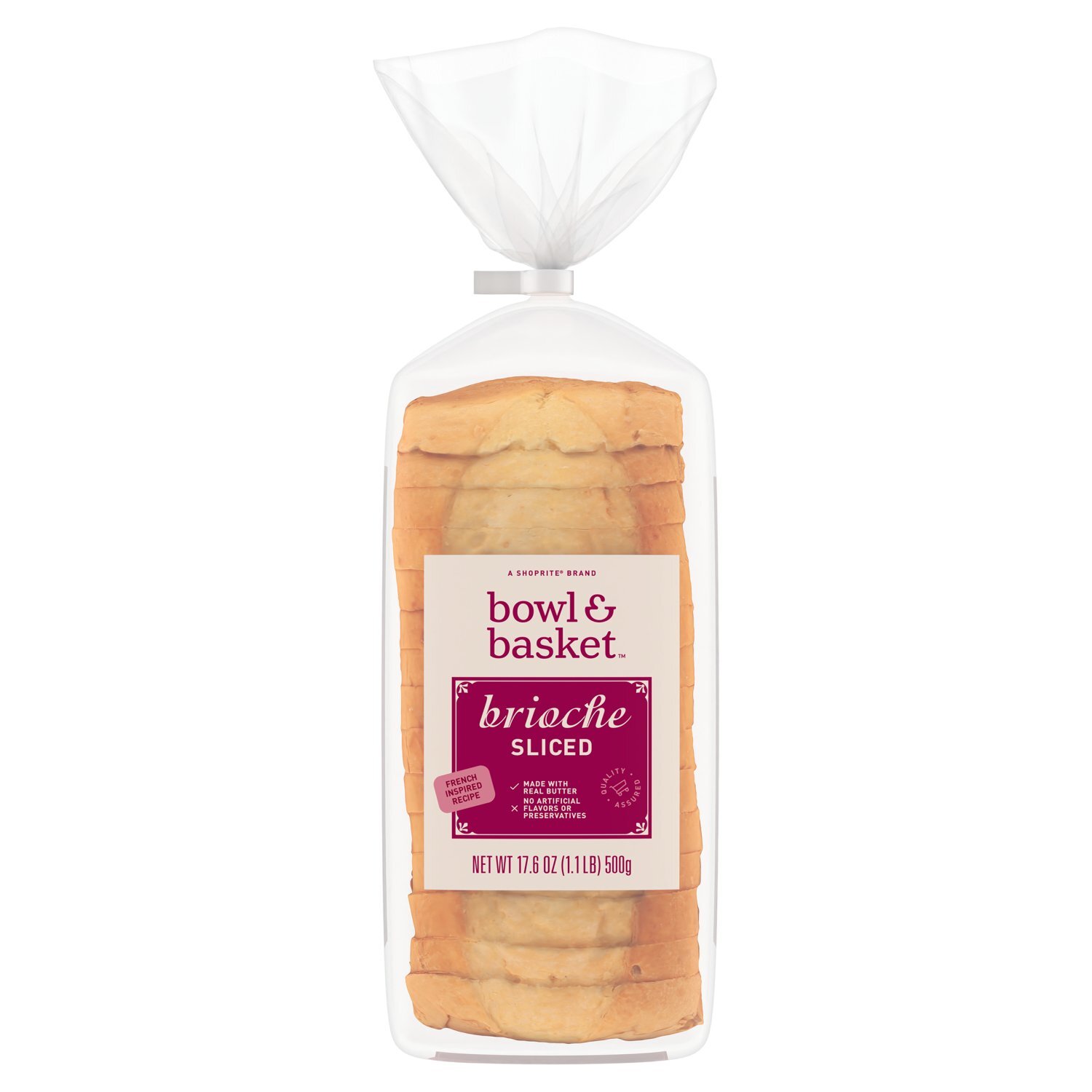
Brioche
At a glance
Summary
This brioche is ultra-processed, which limits its health score despite some beneficial ingredients like butter and eggs. The presence of refined sugar and natural flavors, which are highly processed and lack transparency, further impacts its rating. While it contains some quality ingredients, the overall processing level and added sugars reduce its healthfulness.
Key ingredients 15
ButterGood
Butter is a source of saturated fats and fat-soluble vitamins like A and D. When sourced from grass-fed cows, it contains beneficial fatty acids and antioxidants. It enhances flavor and texture in baked goods.
Risks
Excessive consumption of saturated fats can contribute to heart disease risk.
Benefits
Rich in fat-soluble vitamins and beneficial fatty acids when sourced from grass-fed cows.
EggsGood
Eggs are a high-quality protein source with essential amino acids. They provide important nutrients like choline and vitamin D. Eggs contribute to the structure and richness of baked goods.
Risks
Some individuals may have allergies to eggs, which can cause adverse reactions.
Benefits
Excellent source of high-quality protein and essential nutrients like choline and vitamin D.
Wheat flourNeutral
Wheat flour is a staple ingredient in many baked goods, providing structure and texture. It is a refined carbohydrate, which can lead to rapid spikes in blood sugar levels. Whole grain alternatives offer more fiber and nutrients compared to refined wheat flour.
Risks
Consumption of refined wheat flour can contribute to blood sugar spikes and may lack essential nutrients found in whole grains.
Benefits
Provides essential carbohydrates for energy, though lacks the fiber and nutrients of whole grain options.
WaterNeutral
Water is a fundamental ingredient in baking, contributing to the dough's consistency and hydration. It is a neutral ingredient with no direct nutritional impact. Its role is primarily functional in the baking process.
Benefits
Essential for hydration and dough formation in baking.
YeastNeutral
Yeast is a microorganism used in baking to leaven dough, creating a light and airy texture. It is a neutral ingredient with no direct nutritional impact. Its primary role is functional in the fermentation process.
Benefits
Essential for fermentation and leavening in baking.
Sour creamNeutral
Sour cream adds moisture and tangy flavor to baked goods. It is a dairy product that can contribute to the richness of the product. Contains some beneficial bacteria from the culturing process.
Risks
Contains saturated fats, which should be consumed in moderation.
Benefits
Adds flavor and moisture, and may contain beneficial probiotics.
SaltNeutral
Salt is used to enhance flavor and control yeast activity in baking. It is a neutral ingredient with no direct nutritional benefits. Excessive consumption can lead to health issues like hypertension.
Risks
High sodium intake can contribute to hypertension and cardiovascular disease.
Benefits
Enhances flavor and plays a functional role in dough development.
Vital wheat glutenNeutral
Vital wheat gluten is added to improve dough elasticity and structure. It is a concentrated form of gluten protein. Beneficial for bread texture but can cause issues for those with gluten sensitivities.
Risks
Not suitable for individuals with celiac disease or gluten intolerance.
Benefits
Enhances dough elasticity and structure, improving bread quality.
Sweet wheyNeutral
Sweet whey is a byproduct of cheese production, providing lactose and proteins. It is used to enhance flavor and nutritional content. Contains some beneficial proteins but is primarily a sugar source.
Risks
May cause digestive issues for lactose-intolerant individuals.
Benefits
Provides proteins and enhances flavor, though primarily a sugar source.
VinegarNeutral
Vinegar is used in baking for its acidic properties, which can enhance dough texture. It is a natural ingredient with no significant nutritional impact. Its acidity can help preserve freshness.
Benefits
Enhances dough texture and acts as a natural preservative.
EnzymesNeutral
Enzymes are used to improve dough handling and extend shelf life. They are naturally occurring proteins that catalyze biochemical reactions. Generally considered safe and functional in baking.
Benefits
Improve dough handling and extend shelf life without significant health concerns.
Beta-carotene colorNeutral
Beta-carotene is a natural pigment used for coloring, derived from plants. It is a precursor to vitamin A and generally considered safe. Used primarily for aesthetic purposes in food products.
Benefits
Provides natural coloring and is a precursor to vitamin A.
Ascorbic acidNeutral
Ascorbic acid, or vitamin C, is used as a dough conditioner to improve bread quality. It is an antioxidant that can enhance dough strength. While beneficial in small amounts, its primary role here is functional.
Benefits
Acts as an antioxidant and improves dough strength.
SugarBad
Refined sugar is used to add sweetness but can contribute to health issues like obesity and diabetes. It is a high-calorie ingredient with no essential nutrients. Excessive consumption is linked to various metabolic disorders.
Risks
High intake of refined sugar can lead to obesity, insulin resistance, and increased risk of chronic diseases.
Benefits
Provides quick energy but lacks nutritional benefits.
Natural flavorBad
Natural flavors are used to enhance taste but lack transparency in their composition. They are often highly processed and can contain multiple chemical compounds. The term 'natural' does not guarantee health benefits or quality.
Risks
Potential for undisclosed allergens and additives within the 'natural flavor' label.
Processing
Ultra-Processed Foods
Get the full breakdown in the Scout appTake Scout shopping
Scan any product to see lab results, healthy alternatives, and your personalized analysis.
Are you Bowl & Basket? Fix an error Get the badge Get tested