
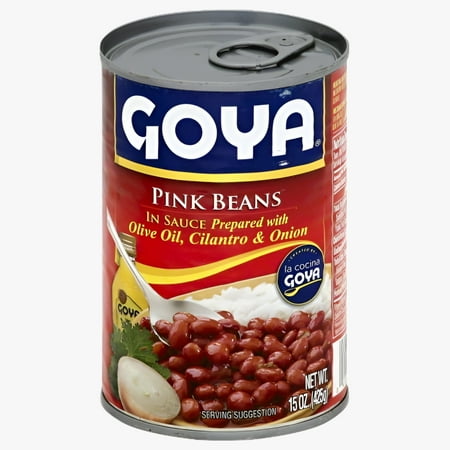




Goya Pink Beans
GoyaAnalysis updated May 2026 · How Scout scores
At a glance
Summary
This product contains beneficial ingredients like pink beans, green pepper, and olive oil, which contribute to its nutritional value. However, it is heavily processed and includes several additives such as soybean oil, monosodium glutamate, and caramel color, which are considered less healthy. The presence of these processed ingredients and additives limits its overall healthiness despite the presence of some nutritious components.
Key ingredients 19
Pink beansVery Good
Pink beans are a rich source of protein and fiber, contributing to a balanced diet. They provide essential nutrients such as iron and folate, supporting overall health. Their low fat content makes them a heart-healthy choice.
Benefits
Rich in protein and fiber, supporting digestive health and providing sustained energy. Contains essential vitamins and minerals like iron and folate.
Olive oilVery Good
Olive oil is a high-quality monounsaturated fat with anti-inflammatory properties. It contains antioxidants that support heart health and is often cold-pressed to preserve beneficial compounds. Olive oil is a healthier alternative to seed oils.
Benefits
Rich in monounsaturated fats that support heart health and provide anti-inflammatory properties. Contains antioxidants like vitamin E and polyphenols that may reduce oxidative stress.
Green pepperGood
Green pepper adds flavor and nutrients, including vitamin C and antioxidants. It enhances the nutritional profile of the product with minimal calories. Its natural compounds may support immune function.
Benefits
Rich in vitamin C and antioxidants, supporting immune health and reducing oxidative stress.
Tomato pasteGood
Tomato paste is concentrated with lycopene, an antioxidant linked to reduced risk of chronic diseases. It provides a rich flavor and enhances the nutritional value of the product. The paste is made by cooking tomatoes, which increases lycopene bioavailability.
Benefits
High in lycopene, which may reduce the risk of certain chronic diseases. Provides vitamins A and C, supporting overall health.
Dehydrate onionGood
Dehydrated onion provides flavor and nutrients such as vitamin C and antioxidants. It is a convenient form of onion that retains most of its nutritional properties. This ingredient adds depth to the flavor profile of the product.
Benefits
Provides antioxidants and vitamin C, supporting immune health and flavor enhancement.
Granulated garlicGood
Granulated garlic adds flavor and contains compounds like allicin, which have health benefits. It is a convenient form of garlic that retains its nutritional properties. Garlic is known for its potential cardiovascular benefits.
Benefits
Contains allicin, which may support cardiovascular health and provide antimicrobial properties.
CilantroGood
Cilantro is an herb that adds flavor and contains antioxidants and vitamins. It is known for its potential detoxifying properties and ability to enhance the flavor profile of dishes. Cilantro is low in calories and adds nutritional value.
Benefits
Rich in antioxidants and vitamins, supporting detoxification and enhancing flavor.
Onion powderGood
Onion powder provides flavor and nutrients such as vitamin C and antioxidants. It is a convenient form of onion that retains most of its nutritional properties. This ingredient adds depth to the flavor profile of the product.
Benefits
Provides antioxidants and vitamin C, supporting immune health and flavor enhancement.
Ground oreganoGood
Ground oregano is an herb rich in antioxidants and has antimicrobial properties. It enhances the flavor profile of dishes and provides health benefits. Oregano is known for its potential to support immune health.
Benefits
Rich in antioxidants and has antimicrobial properties, supporting immune health and enhancing flavor.
WaterNeutral
Water is used as a solvent and carrier in food products. It is essential for hydration and does not contribute calories or nutrients. In this product, it helps maintain the desired consistency.
Benefits
Essential for hydration and maintaining the consistency of the product.
SaltNeutral
Salt is used to enhance flavor and preserve food. While necessary in small amounts, excessive intake can lead to health issues like hypertension. This product contains a minimal amount, reducing potential risks.
Risks
Excessive salt intake can lead to hypertension and cardiovascular issues.
Benefits
Enhances flavor and acts as a preservative in food products.
AnnattoNeutral
Annatto is a natural coloring agent derived from the seeds of the achiote tree. It is used to impart a yellow or orange color to foods. Annatto is generally considered safe and does not contribute significant nutritional value.
Benefits
Provides natural coloring without significant nutritional benefits.
Smoke flavorNeutral
Smoke flavor is used to impart a smoky taste to foods. It is often derived from natural sources but may contain additives. This ingredient enhances the flavor profile without significant nutritional impact.
Risks
May contain additives that are not beneficial to health.
Benefits
Enhances flavor, providing a smoky taste.
Monosodium glutamateBad
Monosodium glutamate (MSG) is used to enhance flavor but is controversial due to potential sensitivity in some individuals. It is a processed additive that may cause headaches or other symptoms in sensitive people. Natural flavor enhancers are preferable for those with sensitivities.
Risks
May cause headaches or other symptoms in sensitive individuals.
Benefits
Enhances flavor, making foods more palatable.
Ham flavorBad
Ham flavor is an artificial flavoring used to mimic the taste of ham. It may contain additives and artificial ingredients that are not beneficial to health. Natural flavorings are preferable for a cleaner ingredient profile.
Risks
May contain artificial additives that are not beneficial to health.
Benefits
Enhances flavor, providing a savory taste.
Hydrolyzed corn proteinBad
Hydrolyzed corn protein is a processed ingredient used to enhance flavor. It may contain MSG or similar compounds, which can cause sensitivity in some individuals. Whole food sources of protein are preferable for better nutritional quality.
Risks
May contain MSG or similar compounds, causing sensitivity in some individuals.
Benefits
Enhances flavor, making foods more palatable.
Caramel colorBad
Caramel color is a widely used food coloring that may contain harmful byproducts like 4-MEI. It is a processed additive with no nutritional benefits. Natural alternatives are preferable for reducing potential health risks.
Risks
May contain harmful byproducts like 4-MEI, which are linked to health concerns.
Disodium calcium EDTABad
Disodium calcium EDTA is a preservative used to promote color retention in foods. It is a synthetic additive with potential health concerns if consumed in large amounts. Natural preservation methods are preferable for a cleaner ingredient profile.
Risks
Potential health concerns if consumed in large amounts.
Benefits
Helps maintain color retention in food products.
Soybean oilVery Bad
Soybean oil is a seed oil high in omega-6 fatty acids, which can promote inflammation if consumed in excess. It is often highly processed, which may reduce its nutritional quality. Alternatives like olive oil offer healthier fat profiles.
Risks
High omega-6 content may promote inflammation when consumed in excess.
Processing
Ultra-Processed Foods
Get the full breakdown in the Scout appTake Scout shopping
Scan any product to see lab results, healthy alternatives, and your personalized analysis.
Download on theApp Store GET IT ONGoogle PlayAmazon pricing & content
Amazon price as of . Product prices and availability are accurate as of the date/time indicated and are subject to change. Any price and availability information displayed on Amazon.com at the time of purchase will apply to the purchase of this product.
CERTAIN CONTENT THAT APPEARS ON THIS SITE COMES FROM AMAZON. THIS CONTENT IS PROVIDED “AS IS” AND IS SUBJECT TO CHANGE OR REMOVAL AT ANY TIME.