


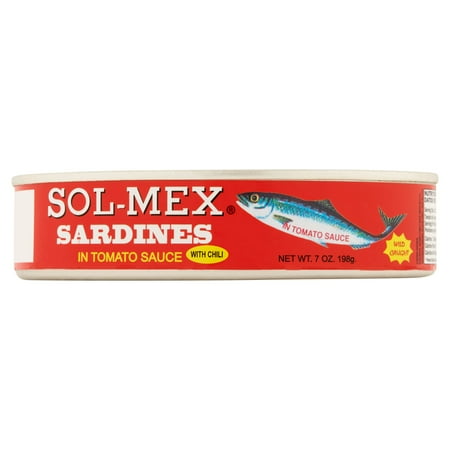



At a glance
Summary
This product contains sardines, which are a high-quality source of protein and omega-3 fatty acids, beneficial for heart and brain health. The ingredient list is simple and free from harmful additives, seed oils, or artificial substances, contributing to its favorable rating. Despite being processed, the clean label and nutritional benefits of sardines support a high score within the processing level cap.
Key ingredients 5
SardinesGood
Sardines are a high-quality source of protein and omega-3 fatty acids, which are beneficial for heart and brain health. They are typically wild-caught, reducing concerns about farming practices and contaminants. Compared to other fish, sardines are low in mercury, making them a safer choice for regular consumption.
Benefits
Rich in omega-3 fatty acids and protein, supporting cardiovascular and cognitive health. Provides essential nutrients like vitamin D and calcium.
SpicesGood
Whole-food seasonings, antioxidant-bearing.
Benefits
May contain antioxidants and other beneficial compounds depending on the specific spices used.
Tomato PasteNeutral
Tomato paste is a concentrated source of tomatoes, providing lycopene, an antioxidant linked to reduced risk of certain diseases. It is typically free from additives, but the concentration process may reduce some nutrient levels. Compared to fresh tomatoes, it offers a more intense flavor and longer shelf life.
Benefits
Contains lycopene, which may help reduce the risk of chronic diseases. Provides a rich source of flavor and nutrients in a concentrated form.
WaterNeutral
Water is used as a solvent and carrier in food products, contributing to texture and consistency. It is a neutral ingredient with no direct nutritional impact. In canned foods, it helps maintain moisture and prevent spoilage.
Benefits
Essential for maintaining product moisture and consistency. Does not contribute calories or nutrients.
SaltNeutral
Salt is used to enhance flavor and preserve food, but excessive intake can lead to health issues like hypertension. It is a common ingredient in processed foods, contributing to sodium content. Compared to unrefined salts, it lacks trace minerals.
Risks
Excessive consumption can lead to high blood pressure and cardiovascular issues.
Benefits
Enhances flavor and acts as a preservative in food products.
Processing
Processed Foods
Get the full breakdown in the Scout appTake Scout shopping
Scan any product to see lab results, healthy alternatives, and your personalized analysis.
Download on theApp Store GET IT ONGoogle Play