


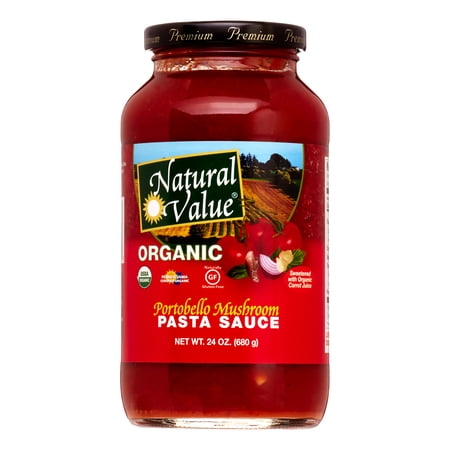
At a glance
Summary
This pasta sauce contains beneficial ingredients like tomato puree, garlic, and olive oil, which contribute to its nutritional value. However, the presence of refined sugar and soybean oil, a highly processed seed oil, negatively impacts its healthiness. The sauce is moderately processed, which further limits its score despite some redeeming qualities.
Key ingredients 9
Olive oilVery Good
Olive oil is a high-quality fat rich in monounsaturated fatty acids, which are beneficial for heart health. It contains antioxidants and anti-inflammatory compounds. Cold-pressed extraction preserves its nutritional properties.
Benefits
Supports heart health and provides anti-inflammatory properties due to its high content of monounsaturated fats and antioxidants.
Tomato pureeGood
Tomato puree is a concentrated source of tomatoes, providing vitamins and antioxidants like lycopene. It is minimally processed, retaining most of the nutritional benefits of fresh tomatoes. Lycopene is known for its potential to reduce the risk of certain chronic diseases.
Benefits
Rich in vitamins A and C, and antioxidants such as lycopene, which may support heart health and reduce inflammation.
GarlicGood
Garlic is known for its potential health benefits, including antimicrobial and anti-inflammatory properties. It contains allicin, which may help reduce blood pressure and cholesterol levels. The use of fresh garlic in cooking enhances flavor and nutritional value.
Risks
Excessive consumption may cause digestive discomfort in some individuals.
Benefits
Contains compounds that may boost the immune system and improve cardiovascular health.
OnionsGood
Onions are a natural source of vitamins, minerals, and antioxidants, including quercetin. They are minimally processed and add flavor and nutritional value to dishes. Quercetin in onions may have anti-inflammatory and antihistamine effects.
Benefits
May support heart health and provide anti-inflammatory benefits due to its antioxidant content.
SpicesGood
Whole-food seasonings, antioxidant-bearing.
Benefits
May provide antioxidants and enhance the flavor profile of the sauce.
Pecorino romano cheeseNeutral
Pecorino romano cheese is a hard cheese made from sheep's milk, providing protein and calcium. It is a processed food with added salt and rennet. While it offers some nutritional benefits, it is also high in sodium.
Risks
High sodium content may contribute to increased blood pressure if consumed in excess.
Benefits
Provides protein and calcium, which are essential for bone health.
SaltNeutral
Salt is used as a seasoning and preservative, providing sodium which is essential for fluid balance. It is a processed ingredient with no additional nutritional benefits. Excessive consumption can lead to health issues such as hypertension.
Risks
High sodium intake can increase the risk of high blood pressure and cardiovascular diseases.
Benefits
Essential for maintaining fluid balance and nerve function in the body.
SugarBad
Refined sugar is a source of empty calories and can contribute to weight gain and metabolic issues. It is highly processed and lacks nutritional benefits. Excessive sugar intake is linked to increased risk of chronic diseases such as diabetes and heart disease.
Risks
High consumption can lead to obesity, insulin resistance, and increased risk of type 2 diabetes.
Soybean oilVery Bad
Soybean oil is a seed oil high in omega-6 fatty acids, which can promote inflammation when consumed in excess. It is highly processed and often extracted using chemical solvents. The high omega-6 content can disrupt the balance of fatty acids in the diet.
Risks
May contribute to inflammation and increase the risk of chronic diseases when consumed in large amounts.
Processing
Processed Foods
Get the full breakdown in the Scout appTake Scout shopping
Scan any product to see lab results, healthy alternatives, and your personalized analysis.
Download on theApp Store GET IT ONGoogle Play