





Near you
Trader Joe's is carried at Trader Joe stores. Find one within 25 miles.
At a glance
Summary
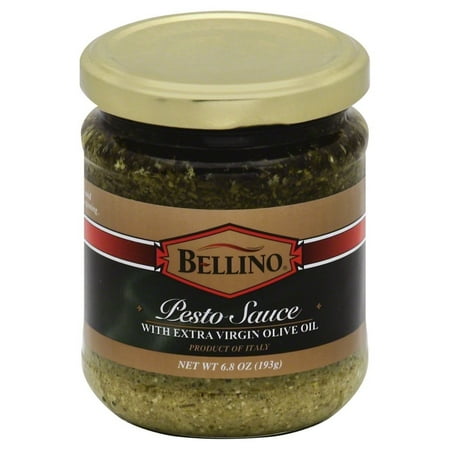
This pesto sauce contains beneficial ingredients like extra virgin olive oil, almonds, and green olives, which provide healthy fats and antioxidants. However, the presence of sunflower oil, which is high in omega-6 fatty acids and can promote inflammation, is a concern. Additionally, the product is classified as ultra-processed due to its ingredient complexity and processing level, which limits its overall health score.
Key ingredients 14
Extra virgin olive oilVery Good
High-quality monounsaturated fat with anti-inflammatory properties. Contains antioxidants that support heart health. Cold-pressed extraction preserves beneficial compounds.
Benefits
Rich in monounsaturated fats that support heart health and provide anti-inflammatory properties. Contains antioxidants like vitamin E and polyphenols that may reduce oxidative stress.
Green olivesGood
Green olives are a good source of healthy fats and antioxidants. They contain oleic acid, which is beneficial for heart health. The fermentation process enhances their probiotic content.
Risks
High sodium content may be a concern for individuals with hypertension.
Benefits
Rich in monounsaturated fats and antioxidants that support cardiovascular health.
AlmondsGood
Almonds are a nutrient-dense source of healthy fats, protein, and fiber. They provide vitamin E and magnesium, which are beneficial for heart health. Raw or roasted, they retain their nutritional profile.
Risks
Potential allergen for individuals with nut allergies.
Benefits
Rich in healthy fats, protein, and essential nutrients like vitamin E and magnesium.
Dried basilGood
Dried basil is a source of antioxidants and essential oils. It adds flavor and potential anti-inflammatory benefits to dishes. The drying process concentrates its beneficial compounds.
Benefits
Rich in antioxidants and essential oils that may provide anti-inflammatory benefits.
GarlicGood
Garlic is known for its potential health benefits, including immune support and cardiovascular health. It contains sulfur compounds that have anti-inflammatory properties. Fresh or dried, it retains its beneficial compounds.
Risks
May cause digestive discomfort in some individuals.
Benefits
Supports immune function and cardiovascular health with its sulfur compounds.
Pine nutsGood
Pine nuts are a source of healthy fats, protein, and essential nutrients. They provide vitamin E and magnesium, which support heart health. They are typically consumed raw or roasted.
Risks
Potential allergen for individuals with nut allergies.
Benefits
Rich in healthy fats and essential nutrients like vitamin E and magnesium.
Hard cheese and parmesan cheese blendGood
This cheese blend provides protein and calcium, essential for bone health. It is made from milk and contains beneficial fats. The aging process enhances its flavor and nutritional profile.
Risks
Potential allergen for individuals with dairy sensitivities.
Benefits
Rich in protein and calcium, supporting bone health and providing beneficial fats.
Basil pestoNeutral
Basil pesto is a flavorful blend of oils, nuts, and herbs. It contains beneficial ingredients like olive oil and nuts but also includes processed components like citric acid. The overall health impact depends on the balance of its components.
Risks
Contains allergens such as nuts and dairy.
Benefits
Provides flavor and some healthy fats from olive oil and nuts.
SaltNeutral
Salt is a necessary mineral for bodily functions but should be consumed in moderation. It is used to enhance flavor and preserve food. Excessive intake can lead to health issues like hypertension.
Risks
High sodium intake can contribute to hypertension and cardiovascular issues.
Benefits
Essential for maintaining fluid balance and nerve function.
Citric acidNeutral
Citric acid is a natural acidifier and preservative. It is commonly used to enhance flavor and preserve freshness. It is generally recognized as safe when used in food products.
Benefits
Helps preserve freshness and enhance flavor in food products.
Lactic acidNeutral
Lactic acid is used as a preservative and flavoring agent. It is naturally occurring and generally safe for consumption. It can also aid in digestion by promoting beneficial gut bacteria.
Benefits
May aid in digestion by promoting beneficial gut bacteria.
WheyNeutral
Liquid whey as a minor dairy ingredient — benign.
Risks
Potential allergen for individuals with dairy sensitivities.
Benefits
Excellent source of protein that supports muscle growth and repair.
White wine vinegarNeutral
White wine vinegar is used for its acidic flavor and preservative qualities. It is made through the fermentation of white wine. It is generally safe and adds flavor to dishes.
Benefits
Adds flavor and acts as a preservative in food products.
Sunflower oilVery Bad
Sunflower oil is high in omega-6 fatty acids, which can promote inflammation. It is often extracted using high heat and chemicals, which may degrade its nutritional quality. Compared to other oils, it lacks beneficial omega-3 fatty acids.
Risks
High omega-6 content may promote inflammation when consumed in excess.
Processing
Ultra-Processed Foods
Get the full breakdown in the Scout appTake Scout shopping
Scan any product to see lab results, healthy alternatives, and your personalized analysis.
Download on theApp Store GET IT ONGoogle Play