
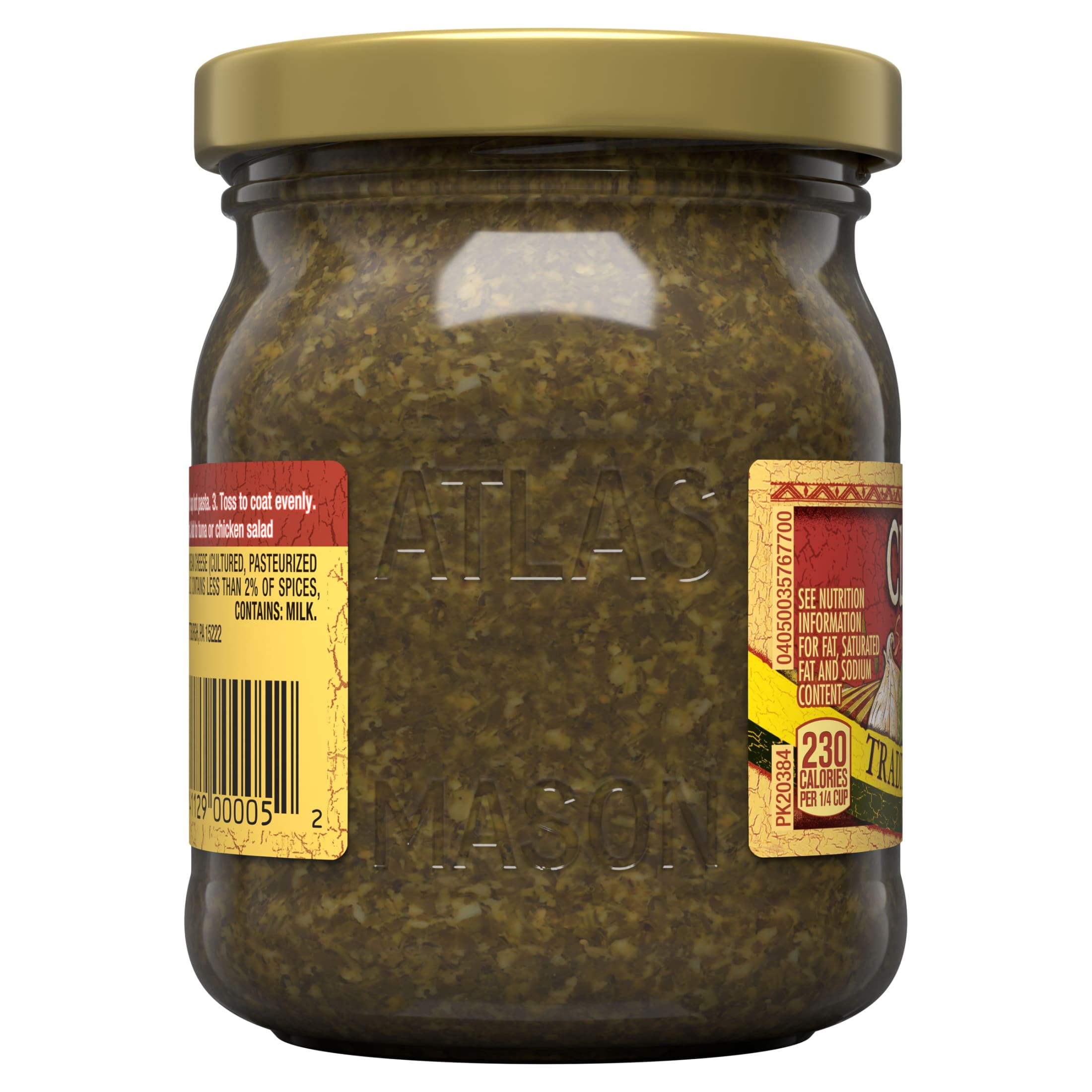


Traditional basil pesto
Analysis updated September 2026 · How Scout scores
At a glance
Summary
This traditional basil pesto contains beneficial ingredients like basil, garlic, parmesan cheese, and olive oil, which contribute to its nutritional value. However, the presence of soybean oil, a seed oil high in omega-6 fatty acids, and additives like natural flavors and sulfites, detract from its healthiness. The product's processing level further limits its potential score, as it includes processed ingredients and preservatives.
Key ingredients 10
Olive OilVery Good
Olive oil is a high-quality monounsaturated fat with anti-inflammatory properties. It contains antioxidants that support heart health. Cold-pressed extraction preserves beneficial compounds.
Benefits
Rich in monounsaturated fats that support heart health and provide anti-inflammatory properties.
BasilGood
Basil is a fresh herb rich in antioxidants and essential oils. It provides anti-inflammatory and antibacterial properties. Its fresh nature enhances flavor without the need for artificial additives.
Benefits
Contains antioxidants that may help reduce oxidative stress and support immune health.
GarlicGood
Garlic is a natural ingredient known for its cardiovascular and immune system benefits. It contains allicin, which has antimicrobial properties. Fresh garlic enhances flavor and provides health benefits without additives.
Benefits
May support heart health and boost the immune system due to its bioactive compounds.
Parmesan CheeseGood
Parmesan cheese is a source of protein and calcium, beneficial for bone health. It is made from cultured, pasteurized milk and contains enzymes that aid digestion. Its aging process enhances flavor and reduces lactose content.
Risks
May contain lactose, which can be a concern for those with lactose intolerance.
Benefits
Rich in protein and calcium, supporting bone health and muscle function.
SpicesGood
Whole-food seasonings, antioxidant-bearing.
Benefits
May provide antioxidants and enhance flavor without added calories.
SaltNeutral
Salt is a common seasoning used to enhance flavor. It is essential for maintaining fluid balance and nerve function. However, excessive consumption can lead to health issues such as hypertension.
Risks
Excessive salt intake can lead to high blood pressure and cardiovascular issues.
Benefits
Essential for maintaining fluid balance and nerve function.
Lactic AcidNeutral
Lactic acid is used as a preservative and flavoring agent. It is naturally occurring and can help maintain product acidity. It is generally recognized as safe when used in food products.
Benefits
Helps preserve food and maintain acidity, contributing to flavor.
Natural FlavorBad
Natural flavors are often used to enhance taste but can be highly processed. They may contain a variety of chemical compounds not disclosed on labels. The lack of transparency can be concerning for consumers seeking clean labels.
Risks
Potential for undisclosed chemical compounds and allergens.
SulfitesBad
Sulfites are preservatives that can cause allergic reactions in sensitive individuals. They are used to prevent spoilage and discoloration in foods. Their presence can be problematic for those with sulfite sensitivity.
Risks
Can cause allergic reactions in sensitive individuals, including respiratory issues.
Soybean OilVery Bad
Soybean oil is a seed oil high in omega-6 fatty acids, which can promote inflammation. It is often highly processed and may contain residues from chemical extraction. Its high omega-6 content can disrupt the omega-3 to omega-6 balance in the diet.
Risks
High omega-6 content may promote inflammation when consumed in excess.
Processing
Processed Foods
Get the full breakdown in the Scout appTake Scout shopping
Scan any product to see lab results, healthy alternatives, and your personalized analysis.
Download on theApp Store GET IT ONGoogle Play