
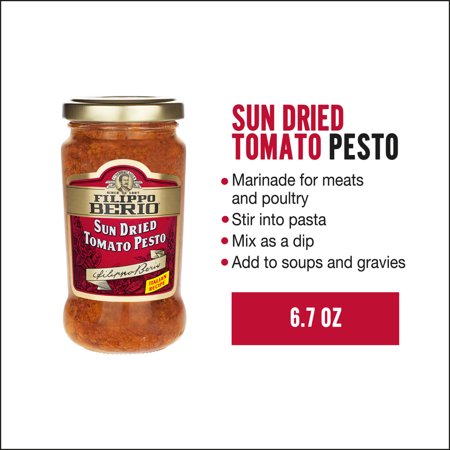

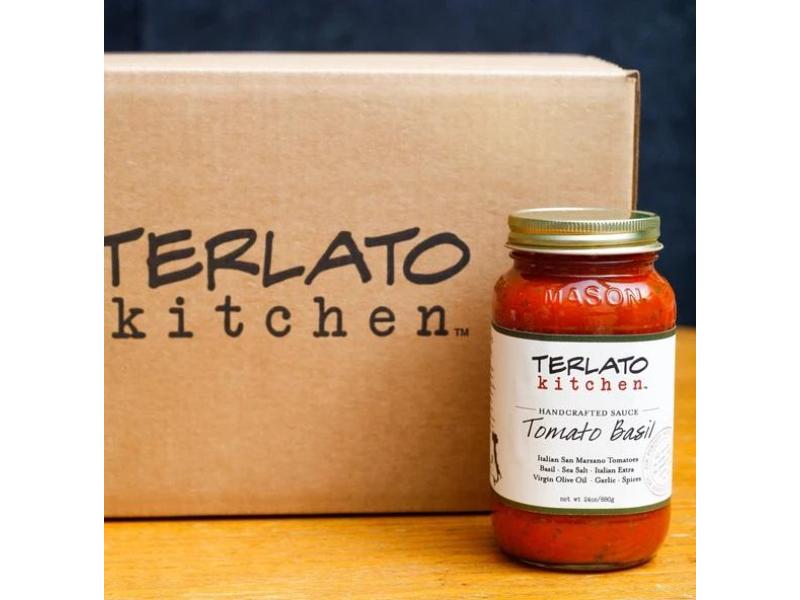


SUN DRIED TOMATO PESTO, TOMATO
Analysis updated September 2026 · How Scout scores
At a glance
Summary
This sun-dried tomato pesto contains beneficial ingredients like sun-dried tomatoes, basil, and extra virgin olive oil, which are rich in antioxidants and healthy fats. However, the presence of sunflower oil, which is high in omega-6 fatty acids and can promote inflammation, detracts from its overall healthiness. The product is moderately processed, which further limits its potential score.
Key ingredients 11
Extra virgin olive oilVery Good
High-quality monounsaturated fat with anti-inflammatory properties. Contains antioxidants that support heart health. Cold-pressed extraction preserves beneficial compounds.
Benefits
Rich in monounsaturated fats that support heart health and provide anti-inflammatory properties. Contains antioxidants like vitamin E and polyphenols that may reduce oxidative stress.
Sun-dried tomatoesGood
Sun-dried tomatoes are rich in antioxidants, particularly lycopene, which supports heart health. They are a concentrated source of vitamins and minerals due to the drying process. The drying method enhances their flavor and nutrient density.
Risks
May contain sulfites as preservatives, which can cause allergic reactions in sensitive individuals.
Benefits
High in antioxidants and vitamins, supporting overall health and providing a rich source of lycopene.
BasilGood
Basil is a fresh herb rich in antioxidants and essential oils that have anti-inflammatory properties. It provides a natural source of vitamins A, K, and C. The herb enhances flavor without adding calories or sodium.
Benefits
Rich in antioxidants and essential oils, supporting anti-inflammatory and immune-boosting properties.
Tomato pulpGood
Tomato pulp is a source of vitamins C and K, potassium, and folate. It provides a natural source of lycopene, an antioxidant linked to reduced risk of heart disease. The pulp retains the fiber content of tomatoes, aiding digestion.
Benefits
Provides vitamins, minerals, and antioxidants that support heart health and digestion.
Cashew nutsNeutral
Cashew nuts provide healthy fats, protein, and essential minerals like magnesium and zinc. They are a good source of plant-based protein but can be high in calories. The nuts are often roasted, which can enhance flavor but may reduce some nutrient content.
Risks
Potential allergen for individuals with nut allergies.
Benefits
Provides healthy fats and essential minerals, supporting heart health and bone strength.
Grana padano cheeseNeutral
Grana padano cheese is a source of calcium and protein, beneficial for bone health. It is aged, which enhances flavor and digestibility. However, it is high in sodium and saturated fats.
Risks
High sodium and saturated fat content may pose health risks if consumed in excess.
Benefits
Rich in calcium and protein, supporting bone health and muscle maintenance.
White wine vinegarNeutral
White wine vinegar is used as a flavor enhancer and preservative. It is low in calories and can aid in digestion. The fermentation process may provide some probiotic benefits.
Benefits
May aid digestion and enhance flavor without adding calories.
Red beetNeutral
Red beet is a natural source of nitrates, which can improve blood flow and lower blood pressure. It provides vitamins and minerals, including folate and manganese. The vibrant color indicates a high antioxidant content.
Risks
May cause beeturia, a harmless condition where urine turns pink or red.
Benefits
Supports cardiovascular health and provides essential nutrients.
SaltNeutral
Salt is used to enhance flavor and preserve food. It is a necessary nutrient for maintaining fluid balance and nerve function. However, excessive intake can lead to hypertension.
Risks
Excessive consumption can lead to high blood pressure and cardiovascular issues.
Benefits
Essential for maintaining fluid balance and nerve function.
Citric acidNeutral
Citric acid is a natural preservative and flavor enhancer. It is commonly used to add acidity and improve shelf life. It is generally recognized as safe when used in food products.
Benefits
Enhances flavor and preserves food quality.
Sunflower oilVery Bad
Sunflower oil is high in omega-6 fatty acids, which can promote inflammation if consumed in excess. It is often extracted using high heat and chemicals, which can degrade its nutritional quality. Compared to other oils, it lacks beneficial monounsaturated fats.
Risks
High omega-6 content may promote inflammation when consumed in excess.
Processing
Processed Foods
Get the full breakdown in the Scout appTake Scout shopping
Scan any product to see lab results, healthy alternatives, and your personalized analysis.
Download on theApp Store GET IT ONGoogle Play