


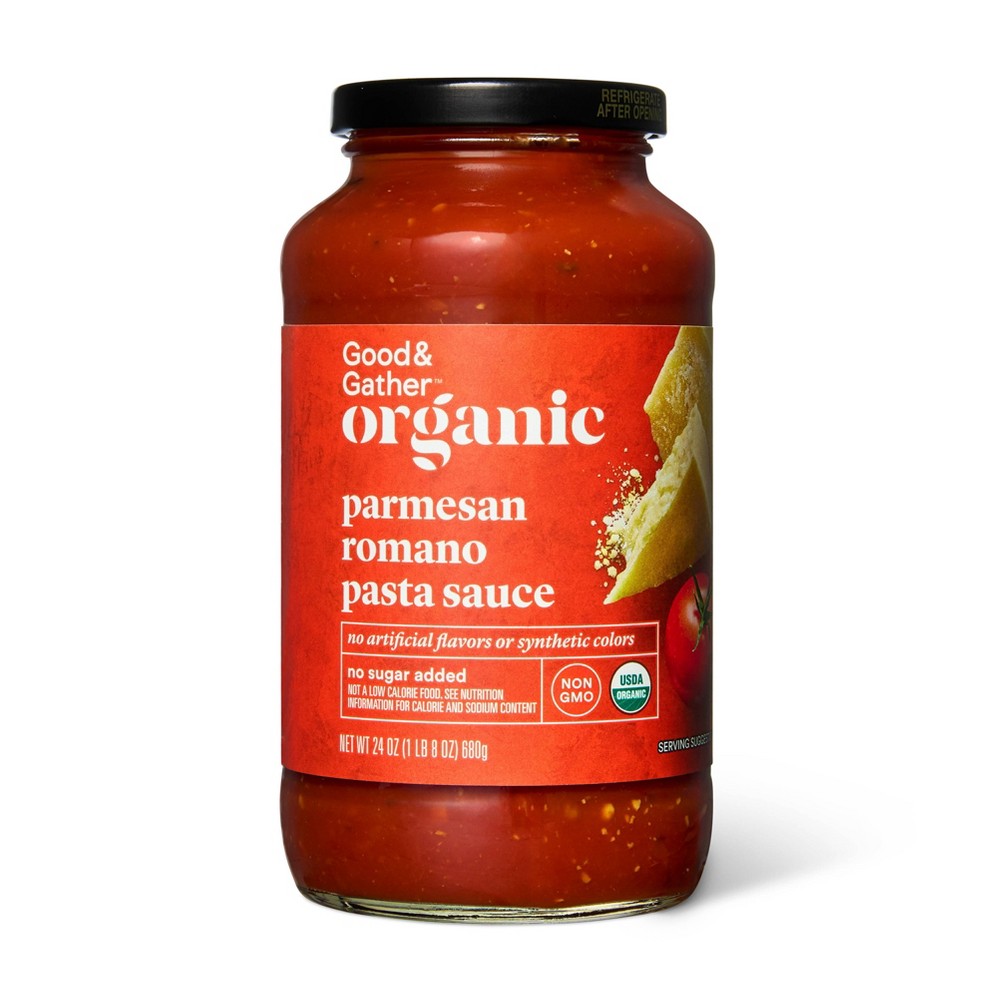

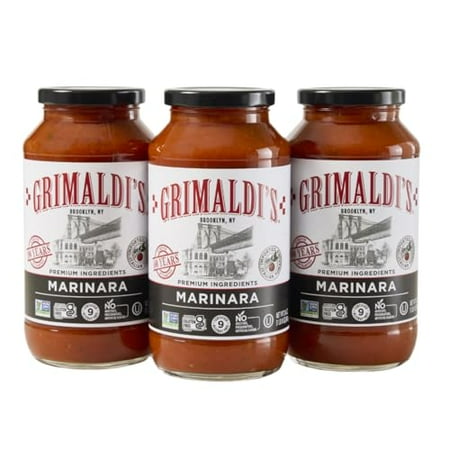
Spinach And Cheese Pasta Sauce
Analysis updated July 2026 · How Scout scores
At a glance
Summary
This pasta sauce contains a variety of beneficial ingredients such as crushed tomatoes, spinach, onions, and cheeses, which contribute to its nutritional value. The use of vegetable oil is a minor concern, but the overall ingredient list is relatively clean with minimal additives. The sauce is processed, which limits its score, but the presence of whole food ingredients and the absence of harmful additives support a higher rating within its category.
Key ingredients 9
SpinachVery Good
Spinach is a nutrient-dense leafy green rich in vitamins A, C, K, and folate. It is minimally processed, retaining its nutritional profile. Spinach also provides dietary fiber and antioxidants.
Benefits
Supports bone health, immune function, and provides antioxidants that may reduce oxidative stress.
Crushed TomatoesGood
Crushed tomatoes are a rich source of vitamins A and C, and lycopene, an antioxidant. They are minimally processed, retaining most of their nutritional value. The inclusion of concentrated crushed tomatoes enhances the flavor and nutrient density.
Benefits
Provides essential vitamins and antioxidants that support immune function and reduce inflammation.
OnionsGood
Onions are a good source of vitamins C and B6, and contain antioxidants like quercetin. They are minimally processed and add flavor and nutritional value to the sauce. Onions also provide dietary fiber.
Benefits
May support heart health and provide anti-inflammatory benefits.
Asiago CheeseGood
Asiago cheese is a source of calcium and protein, contributing to bone health and muscle maintenance. It is a natural cheese with minimal processing. The cheese adds flavor and nutritional value to the sauce.
Risks
May contain lactose, which can be a concern for those with lactose intolerance.
Benefits
Provides essential nutrients like calcium and protein.
Parmesan CheeseGood
Parmesan cheese is rich in calcium and protein, supporting bone health and muscle function. It is a hard cheese with a strong flavor, requiring minimal amounts to enhance taste. Parmesan is aged, which may reduce lactose content.
Risks
May contain lactose, which can be a concern for those with lactose intolerance.
Benefits
Offers a concentrated source of calcium and protein.
HerbsGood
Herbs add flavor and may provide antioxidants and anti-inflammatory compounds. They are minimally processed and enhance the nutritional profile of the sauce. The specific herbs used can vary, but they generally contribute positively to health.
Benefits
May provide antioxidants and enhance flavor without added calories.
WaterNeutral
Water is used as a solvent and to adjust the consistency of the sauce. It is a neutral ingredient with no nutritional value. Its presence is essential for achieving the desired texture.
See more about Water →SaltNeutral
Salt is used to enhance flavor and preserve the sauce. It is a common culinary ingredient with no additional processing. Excessive consumption can lead to health issues, but moderate use is generally safe.
Risks
Excessive sodium intake can lead to hypertension and cardiovascular issues.
Vegetable OilVery Bad
Vegetable oil is often a blend of seed oils like soybean or canola, which are high in omega-6 fatty acids. These oils are highly processed and may contribute to inflammation. The exact type of oil is unspecified, which raises concerns about quality.
Risks
High omega-6 content may promote inflammation when consumed in excess.
Processing
Processed Foods
Get the full breakdown in the Scout appTake Scout shopping
Scan any product to see lab results, healthy alternatives, and your personalized analysis.
Download on theApp Store GET IT ONGoogle Play